
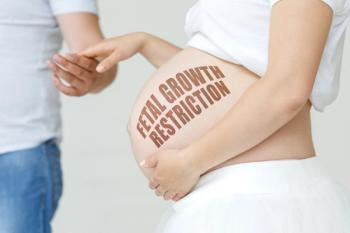
In interim phase 2 data, 9 of 10 patients with severe early-onset FGR on rinvecalinase alfa exceeded expected median time to delivery.
In interim phase 2 data, 9 of 10 patients with severe early-onset FGR on rinvecalinase alfa exceeded expected median time to delivery.

MenoMEC fills a gap in guidance for non-hormone vasomotor symptom therapy, according to Mary Jane Minkin, MD.

MenoMEC ratings for menopause hormone therapy hinge on clinical judgment between categories 3 and 4, according to Mary Jane Minkin, MD.

Soma Mandal, MD, Jocelyn Carlo, MD, FACOG, and Susan Pacana, MD, FACOG, discuss irregular bleeding, hormone therapy, and genitourinary symptoms.

Biomarkers may stratify preeclampsia risk better than checklists and reduce reliance on race and income, according to Dallas Reed, MD
Amanda Marma Perak, MD, and Michelle Macy, MD, explain the gaps in the adolescent to adult care transition for menstrual and cardiovascular health tracking.
Experts discuss how menstrual history, family counseling, and early prevention can help pediatricians with menstrual health and cardiovascular health.
Experts explain how puberty affects lipid levels, body composition, and mental health, with implications for cardiovascular screening in adolescent girls.
Experts discuss a new AHA advisory linking cardiovascular risk across a woman's life, from puberty through pregnancy, menopause, and beyond.

Wen Shen, MD, and Dana Sarnak, PhD, on MHT access strains at the pharmacy and the demand forecasting and equity research ahead.

Treating hypoactive sexual desire disorder means matching therapy to each contributing factor, according to Holly N. Thomas, MD, MS.
Dana Sarnak, PhD, and Wen Shen, MD, comment on a Johns Hopkins analysis showing rising menopause hormone therapy use among midlife women.
Zhaunova calls for randomized trials with objective activity measures to confirm a causal effect.

Kristin MacGregor, PhD, on how specific, normalized referrals, rather than a list of phone numbers, help perinatal patients get mental health care.

The United States earned a D+ for preterm birth for the fifth straight year, with a 10.4% preterm birth rate in 2025.
Kristin Macgregor, PhD, on why perinatal depression goes unspoken and how screening and integrated behavioral health can close the care gap.

"The loss of... measles elimination status represents a significant public health setback," said ACOG President Camille A. Clare, MD.

Get caught up with Contemporary OB/GYN! This list helps you navigate our top stories from the week, all in one place.
Blood levels alone cannot confirm safe testosterone dosing. Asking about androgenic effects and allowing months for response are central to care.
A global consensus defines what the evidence supports for testosterone in women. Benefits for strength, mood, and cognition lack randomized data.
A testosterone patch improved sexual desire in trials but never won US approval. Normal female physiology defines what replacement should target.
The WHI never studied testosterone, yet it chilled conversations about every hormone, with lasting consequences for women’s sexual health.
As estrogen came to define menopause care, testosterone faded from view, and the oral combination clinicians relied on was never FDA approved.
Androgen therapy for women predates the headlines by decades. Early research showed promise for desire, but long-term safety data never caught up.
Liudmila Zhaunova on a global Flo app study linking higher physical activity to lower perimenopause symptom burden.
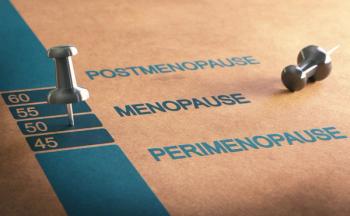
The 16-item Perimenopause Symptom Scale showed strong reliability and validity among 1255 women aged 35 to 59 years in the United States.

Risa Kagan, MD, on bone health prevention in primary care and why baseline bone density testing should come before age 65.

Patients with 3 or more adverse pregnancy outcomes had lower odds of postpartum contraceptive use in a PRAMS analysis of 222,412 individuals.

Risk factors cast a wide net in preeclampsia prediction, but biomarkers could add precision, according to Dallas Reed, MD.

Risa Kagan, MD, on why the menopause transition is a critical window for bone loss and how women can preserve bone mass.