




Pediatrics
Latest News
Advertisement
Latest Videos






CME Content





Advertisement
More News

A new study found that exclusive or longer-duration breastfeeding is associated with a reduced risk of language, social, and neurodevelopmental delays in young children.

A new study found that pregnant women infected with COVID-19, especially in the third trimester or with severe symptoms, faced higher risks of preterm birth, low birthweight, and neonatal intensive care unit admission.

Review some of the top stories from the Contemporary OB/GYN website over the last week, and catch up on anything you may have missed.

A new study found that states with restrictive abortion laws have seen an increase in babies born with cyanotic congenital heart disease, highlighting potential long-term health care challenges.

A recent study reveals significantly elevated placental interleukin 6 and vascular endothelial growth factor receptor 2 messenger RNA expression in fetal death cases, highlighting inflammation and impaired fetal protection mechanisms.
Review some of the top stories from the Contemporary OB/GYN website over the last week, and catch up on anything you may have missed.
A recent study reveals significantly lower initiation and continuation rates of Mother’s own milk feeding among late preterm infants compared to other gestational age groups, highlighting a need for targeted support.

Shirley Wang, a PhD student in the School of Pharmacy at the University of Waterloo, discusses the findings on Levetiracetam’s safety during breastfeeding and how mothers can make informed decisions about medication use and infant health.

A recent study reveals that offering financial incentives to pregnant women to quit smoking can lead to increased neonatal birth weight and improved health outcomes.

A new study reveals that pregnant women who take higher doses of folic acid in the first trimester may improve their child's verbal abilities and behavior by age 6 years.

A new study found that using tocolytic drugs after 30 weeks' gestation does not improve neonatal outcomes, challenging current preterm birth treatment practices.
Review some of the top stories from the Contemporary OB/GYN website over the last week, and catch up on anything you may have missed.
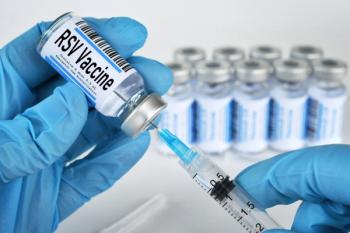
A recent study found strong adoption of the RSVpreF vaccine during pregnancy and nirsevimab in infants, highlighting an effective strategy to reduce RSV-related hospitalizations in young infants.

A new study finds that children born to mothers with hypertensive disorders of pregnancy or gestational diabetes are at a higher risk of developing cardiovascular health issues by ages 10 to 14 years.

In a recent study, the rate of infant deaths was increased by 5.6% in US states implementing abortion bans.
Review some of the top stories from the Contemporary OB/GYN website over the last week, and catch up on anything you may have missed.

New research from NYU Grossman School of Medicine reveals that maternal health conditions during pregnancy are correlated with autism risk but are not a direct cause, highlighting the role of genetic and familial factors.

Discover how Mirvie’s RNA platform uses a simple blood test to detect fetal growth restriction early in pregnancy, allowing for proactive interventions and improved outcomes for mothers and babies.

A new study explores the potential link between antiretroviral therapy, specifically integrase inhibitors, and fetal biometric measurements, shedding light on possible pregnancy complications.

A study found that 2 weeks of maternal bed rest significantly increases fetal weight and growth metrics in small for gestational age fetuses.

Discover how MedStar Health’s Safe Baby Safe Moms program is scaling its proven maternal care model to support diverse communities across the DC and Maryland region.
Discover how MedStar Health's innovative program is improving outcomes and reducing disparities for mothers and children through tailored care and groundbreaking partnerships.
A recent study highlights potential reductions in macronutrient levels in breast milk because of maternal medications, though breastfeeding remains strongly recommended.
Review some of the top stories from the Contemporary OB/GYN website over the last week, and catch up on anything you may have missed.

A quality improvement project highlights the benefits of starting human papillomavirus vaccination at age 9 years to increase uptake and reduce disparities in cancer prevention across pediatric populations.
Advertisement
Advertisement
Trending on Contemporary OB/GYN
1
Minipad-based HPV testing shows promise for cervical cancer screening
2
Kevin Ault, MD, on vaccines & autism, local government, HPV vaccine advocacy
3
Study data highlight trade-offs of testing for pregnancy too soon
4
Fionnuala McAuliffe, MD, highlights importance of timely breastfeeding discussions with patients
5