



Obstetrics
Latest News
Advertisement
Latest Videos







CME Content




Advertisement
More News
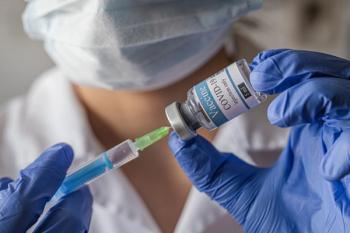
Experts warn that removing the COVID-19 vaccine from CDC guidelines endangers maternal and neonatal health and undermines evidence-based medical practice.

A new study finds women with postpartum hemorrhage face significantly higher odds of cardiovascular disease and thromboembolism for up to 15 years after childbirth.

A new study reveals that abnormal postpartum bleeding is more common than previously reported, driving up hospital costs and increasing the risk of serious complications.

A new study finds that exposure to mycoestrogens during pregnancy may reduce birthweight and impair placental efficiency, with climate change expected to increase exposure risks.

Higher third-trimester glucose levels in insulin-dependent pregnancies are tied to increased obesity risk in adult offspring, a 40-year study finds.

In a recent study, prenatal PFAS exposure was linked to higher adolescent blood pressure, with stronger effects in boys and children born to non-Hispanic Black mothers.

Review some of the top stories from the Contemporary OB/GYN website over the last week, and catch up on anything you may have missed.
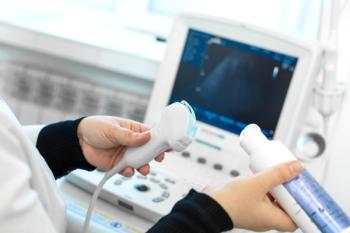
A new study shows extrauterine cerebellar ultrasound is a reliable, low-cost method to assess gestational age after fetal or neonatal death, especially in low-resource settings.

New research reveals that women with eclampsia show significantly higher rates of brain abnormalities, offering insight into unexplained neurologic symptoms during pregnancy.

Daily trimethoprim–sulfamethoxazole in pregnancy reduced preterm births, especially in women with HIV, but did not significantly affect birth weight.

Learn how to identify early symptoms of preeclampsia and improve outcomes with timely screening, diagnosis, and prevention strategies from Eran Bornstein, MD.
Comprehensive first trimester screening can identify over 90% of early preeclampsia cases, allowing timely intervention with low-dose aspirin to significantly reduce risks for both mother and baby.
Review some of the top stories from the Contemporary OB/GYN website over the last week, and catch up on anything you may have missed.

A new study reveals higher rates of severe maternal complications among Black and Hispanic patients with prior cesarean births, highlighting the need for equity-focused care strategies.

Learn how postpartum psychosis impacts maternal health, the role of family history, and key steps to identify and prevent this serious but treatable condition.

A universal aspirin initiative at a Bronx hospital increased prescribing rates from 30% to 99% and is now being evaluated for its impact on preeclampsia.

New research reveals a strong genetic connection in postpartum psychosis, emphasizing the need for early screening in high-risk women.
Review some of the top stories from the Contemporary OB/GYN website over the last week, and catch up on anything you may have missed.

A new study reveals worsening mental and physical health among female parents, highlighting growing disparities across race, income, and family structure.
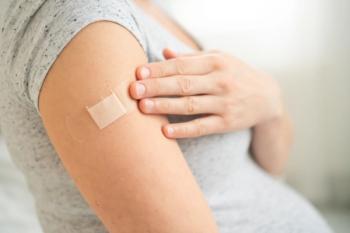
RFK Jr. stated he "couldn't be more pleased" to announce that COVID-19 vaccination among healthy children and pregnant women has been removed from CDC's immunization schedule.

A new study finds that a daily 150 mg dose of aspirin significantly improves thromboxane B2 inhibition compared to 75 mg in pregnant women at risk for preeclampsia.
Review some of the top stories from the Contemporary OB/GYN website over the last week, and catch up on anything you may have missed.

A study found that biologic treatment rates decline during pregnancy and only partially rebound postpartum, with trends varying by autoimmune condition.
A study found the greatest reduction in neonatal mortality occurs when antenatal corticosteroids are given 24 hours to 14 days before preterm delivery.

Amy Valent, DO, MCR, discusses how continuous glucose monitors and smart insulin delivery tools are reshaping individualized care for pregnant patients with diabetes.
Advertisement
Advertisement
Trending on Contemporary OB/GYN
1
Minipad-based HPV testing shows promise for cervical cancer screening
2
Study data highlight trade-offs of testing for pregnancy too soon
3
Kevin Ault, MD, on vaccines & autism, local government, HPV vaccine advocacy
4
Fionnuala McAuliffe, MD, highlights importance of timely breastfeeding discussions with patients
5