









A recent study chronicled the physical health of women 5 years after they either received or were denied abortion services.
A recent study chronicled the physical health of women 5 years after they either received or were denied abortion services.

The effects of alcohol consumption during pregnancy are well known, but a small but not insignificant number of women are not getting the message.

Results from a prospective study indicate that cfDNA testing for trisomy 21 may be just as effective in twin pregnancies as singletons.

For the first time, the US Food and Drug Administration (FDA) has authorized marketing of a test to detect Zika virus immunoglobulin (IgM) antibodies in the bloodstream.
New research indicates an alarming number of men and women are uninformed about the health risks of pregnancy, and this ignorance may be contributing to the malpractice crisis.

New research illustrates why it's important for ob/gyns to discuss syncope history with their pregnant patients.

Dr. Kimble discusses a new progestin hormone that can be used for birth control and identifies which patients could benefit from it.

A recent study aimed to quantify the reduction in PTB risk when expectant mothers who smoke are able to quit.

A retrospective study compared several obstetric and neonatal outcomes of women with PPROM to determine whether outpatient or hospitalization should be the standard of care.

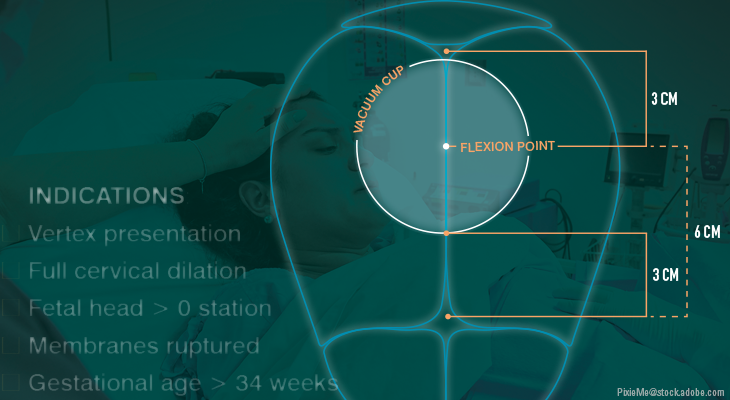
Recently published 3D MRI images show how the fetal head changes between prelabor and the second stage of labor to facilitate vaginal delivery.

In this Medical News Minute, Dr. Bobby Lazzara discusses the associations between ranges of gestational weight gain with maternal and infant outcomes.

Epileptic women are much more likely to die during pregnancy, but a prognostic model may help predict which women are at higher risk of adverse events.

Routine antibiotic prophylaxis for women undergoing operative vaginal birth is not currently recommended, but results from a recent study may compel a change to that guidance.

Older age in men may impair conception and it can also have implications for fetal wellbeing, birth outcomes, and long-term health of offspring.

Ashley S. Roman, MD, MPH, reviews some of the new updates discussed in ACOG Practice Bulletin #203: Chronic Hypertension in Pregnancy.

Faced with the rapid increase in a potentially deadly-but preventable-congenital disease, it’s time for states to take action to require appropriate screening

Ob/gyns, support staff, and patients all need to be educated about the needs of the mother/child dyad during the “fourth trimester.”

A recent study aimed to provide the first national estimate of e-cigarette use among pregnant and non-pregnant women of reproductive age.

A recent course at the 2019 American College of Obstetricians and Gynecologists (ACOG) annual meeting in Nashville described three areas of reproduction that ob/gyns need to be well versed in.

Initial excitement about vaginal microbial seeding of cesarean-born babies to bolster their microbiome and future health is under scrutiny, due to the uncertainty of benefits and potential for risk.

Ob/gyns should be familiar with strategies to prevent two of the most common problems associated with vaginal delivery.

A recent study examines whether expanding Medicaid coverage has impacted rates of low birthweight and prematurity among infants.

A new analysis shows that in half of the United States, an incapacitated woman’s advanced directive about health care can be invalidated if she is pregnant.
Review the steps in a cesarean and take a moment to examine the best available evidence for performing the procedure.
Review the steps in a cesarean and take a moment to examine the best available evidence for performing the procedure.