




Gynecologic Oncology
Latest News
Advertisement
Latest Videos









CME Content





Advertisement
More News
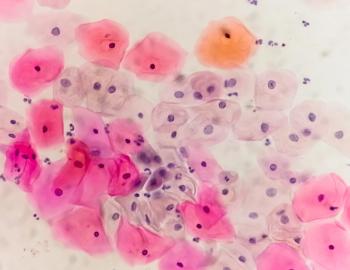
A recent study evaluated the safety and effectiveness of the Onclarity HPV assay in detecting high-grade cervical disease, presenting findings on its comparability to predicate assays and potential for cost-saving benefits in screening practices.

Explore how the latest research underscores the efficacy of the 2017 Querleu-Morrow classification in defining radical hysterectomy extent, shedding light on surgical terminologies for cervical cancer management.

Review some of the top stories from the Contemporary OB/GYN website over the last week, and catch up on anything you may have missed.

A study in Sweden found that women with a history of pelvic inflammatory disease face an elevated risk of epithelial ovarian cancer.

A recent study revealed disparities in gynecologic oncology clinical trial enrollment, impacting the outcomes of underrepresented racial and ethnic groups.

A recent study found that military veterans have 1.46 times higher odds of abnormal outcomes from cervical cancer screening tests compared to non-veterans.
Review some of the top stories from the Contemporary OB/GYN website over the last week, and catch up on anything you may have missed.

In a recent study, an association was found between reactive oxygen species and cervical intraepithelial neoplasia.

The annual percentage changes of cervical cancer incidence and mortality in Appalachian Kentucky from 2009 to 2019 were 2.9% and 4.5% respectively.

Review some of the top stories from the Contemporary OB/GYN website over the last week, and catch up on anything you may have missed.

In a recent study, overall and cervical-cancer specific deaths were more common among cervical cancer patients with a preexisting mental health disorder.

Peter Minneci, MD, MHSc, discusses a study evaluating a new algorithm capable of accurately identifying benign lesions in female patients.

In a recent study, patients with early-stage cervical cancer receiving radical hysterectomy had increased survivability.
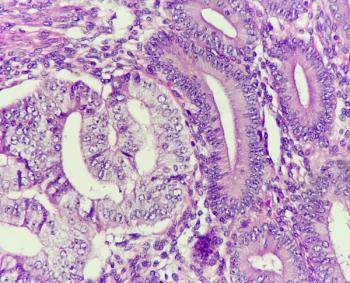
In a recent study, ages at menarche and menopause, as well as pregnancy history, impacted the risk of endometrial cancer.

In a recent study, Black patients experienced more delays in receiving endometrial cancer care than White patients.

The effects of GARDASIL 9 (Human Papillomavirus 9-valent Vaccine, Recombinant) in patients aged 9 to 15 years has indicated efficacy, according to a recent long-term follow-up study.

In a recent study, the prediction values of cervical cancer prediction models increased significantly when human papillomavirus genotypes were included in the evaluation.

In a recent study, high sensitivity and specificity were found for differentiating between benign and malignant lesions when using the Assessment of Different Neoplasias in the Adnexa and Ovarian-Adnexal Reporting and Data System models.

Jeff Andrews, MD, FRCSC, Vice President of Medical Affairs for Integrated Diagnostic Solutions at BD, discusses the link between human papillomavirus (HPV) and cervical cancer, and how HPV self-sampling kits may increase rates of cervical cancer screening.

Anne Banfield, MD, discusses the highlights from her presentation on primary HPV screening at the 2023 ACOG Annual Clinical and Scientific Meeting in Baltimore, Maryland.

In a recent study, under-screened patients were more likely to receive cervical cancer screening after receiving at-home high-risk human papillomavirus sampling kits.
In a recent study, patients receiving interventions designed to increase adherence to screenings for breast, cervical, or colorectal cancers were more likely to be up to date on any or all screenings.

Jonathan Miller, MD, pediatrician and chief of primary care, pediatrics, at Nemours Children's Health in the Delaware Valley, spoke about the latest data regarding early HPV vaccination in children as young as 9 at the 2023 Pediatric Academic Societies meeting.

In a recent study, female patients born by cesarean delivery were more likely to experience early-onset colorectal cancer.

In a recent study, histologic subtype accounted for 54.1% of the excess relative risk for Black patients compared to White patients with uterine cancer.
Advertisement
Advertisement
Trending on Contemporary OB/GYN
1
Minipad-based HPV testing shows promise for cervical cancer screening
2
Kevin Ault, MD, on vaccines & autism, local government, HPV vaccine advocacy
3
Study data highlight trade-offs of testing for pregnancy too soon
4
Fionnuala McAuliffe, MD, highlights importance of timely breastfeeding discussions with patients
5