
In the second part of Dr. Lockwood's editorial on opioids, he discusses steps that ob/gyns can take to help limit opioid use disorder in our pregnant and non-pregnant patients.
In the second part of Dr. Lockwood's editorial on opioids, he discusses steps that ob/gyns can take to help limit opioid use disorder in our pregnant and non-pregnant patients.
A newly published pilot study is the first to show that the selective estrogen receptor modulator (SERM) ospemifene effectively normalizes vestibular innervation sensitivity, in addition to confirming that it relieves postmenopausal vestibular signs and symptoms.
Dyspareunia is a common female health problem, according to a large British population probability survey, affecting 7.5% of sexually active women.
James Greenberg, MD, reviews the LaparoVue Visibility System, a single-use, disposable system designed to eliminate fogging while cleaning laparoscopes and trocars during a procedure.
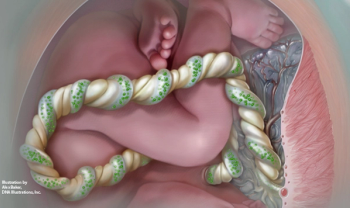
Ob/gyns are on the front line of the opioid epidemic and have a responsibility to recognize, treat, refer, and advocate for pregnant women with opioid use disorder.
In large part, clinicians and patients do not see eye to eye when it comes to what they consider important criteria for a rating scale assessing female sexual desire, according to a literature review
According to a literature review, apart from the essential role that sex hormones play in modulating hypoactive sexual desire disorder (HSDD) through therapeutic interventions, a comprehensive understanding of the biologic mechanisms underlying the disorder is imperative.
According to research, the size of a woman’s hips and waist may be the best indicators of her risk of a heart attack. Plus: Adverse risks of pregnancy over 40. Also: Active surveillance of CIN2 is a viable treatment, according to a study.
In a new statement, the US Preventive Services Task Force (USPSTF) is recommending against ovarian cancer screening for women who have no symptoms and no hereditary cancer syndromes. Plus: Breast MRI screening results in higher biopsy rates, according to a study.
A lower-dose estradiol vaginal cream than is currently available in the United States was an effective and well-tolerated treatment for dyspareunia in postmenopausal women, according to a recent phase 3, randomized, multicenter, double-blind, placebo-controlled trial.
Higher levels of distress were linked to increased vaginal sexual symptoms, worry about dyspareunia, dissatisfaction with a relationship, and concerns about body image in a study looking at sexual well-being among cervical cancer survivors.
A 62-year-old woman presents for her annual gynecologic exam, stating that she has had a 4-month history of worsening vulvar pruritus. Can you make the correct diagnosis and treatment plan?
A drug that is low cost and easy to administer may help prevent maternal deaths, according to results of a randomized clinical trial. Plus: Does air pollution affect menstrual regularity? Also: According to a statement published by the American Heart Association (AHA), breast cancer patients may be at increased risk of cardiovascular disease (CVD).
Plaintiff alleged that excessive force from implementing the vacuum resulted in intracranial hemorrhage and subdural hematoma.
Expert commentary on Practice Bulletin No. 184: Vaginal Birth After Cesarean Delivery.
Our latest survey paints a picture of ob/gyns simultaneously dedicated to their profession and increasingly frustrated by external stressors.
To help combat maternal mortality rates globally, the US government has invested more than $15 billion since 2008 in innovative measures to accelerate reduction in deaths. These efforts are led by the US Agency for International Development (USAID).
Like the road to hell, the road to the opioid crisis was paved with good intentions.
With the United States ranked No. 50 globally in maternal deaths, support is growing in Congress for the Preventing Maternal Deaths Act of 2017 (H.R. 1318/S. 1112).
Sleep-disordered breathing during pregnancy is a risk factor for development of hypertensive disorders and gestational diabetes mellitus.
Preliminary data from a retrospective study suggest that incidence of spontaneous subarachnoid hemorrhage (sSAH) may be increasing among pregnant women. Plus: Study finds lower risk of diabetes a benefit of breastfeeding. Also: Taking prenatal folic acid and multivitamins lowers the risk of autism, according to results of a new case-control study.
Premenopausal and postmenopausal women treated with the combined agonist/antagonist flibanserin for hypoactive sexual desire disorder (HSDD) are likely to lose weight, according to a post hoc analysis of five studies.
Midpelvic attempted operative vaginal delivery (aOVD) does not increase risk of sexual dysfunction in women or their male partners nor are the women more likely to manifest symptoms of maternal postpartum depression at 6 months compared to counterparts who had low pelvic aOVD, according to a prospective study.
Results of a large randomized clinical trial indicate that in low-risk nulliparas, elective induction of labor (IOL) at 39 weeks lowers rates of cesarean delivery (CD) without significantly increasing adverse perinatal outcomes. Plus, more coverage from The Pregnancy Meeting.
To help practitioners stay up-to-date on maternal mortality stories, Contemporary OB/GYN will post links to reports from mainstream media outlets on our Media page. Be sure to check back often for the very latest links and information.
A collection of standards, guidelines, tools and articles for the OB caring for pregnant patients with cardiac disease.

Bladder health is an important component of a woman’s well-being, and overactive bladder (OAB) remains a multifactorial symptom complex that gynecologists are uniquely positioned to address. This article summarizes guidelines for diagnosis and treatment, highlighting special considerations for management of OAB across women’s life span.
Hormone therapy (HT) can prevent development of depressive symptoms among initially euthymic perimenopausal and early postmenopausal women, according to results of a study. Plus: Does prenatal choline exposure promote cognition in infants?
Women with arousal-specific sexual dysfunction are significantly less likely to perceive when their genitals are sexually aroused compared to women who have decreased sexual function or are sexually functional, according to an analysis of data from 5 studies