






Urology
Latest News
Advertisement
Video Series



Latest Videos








Shorts

0:40
Medication-related bladder effects: What to watch for, with Aleece Fosnight, MSPAS, PA-C
4 months ago
by
Aleece Fosnight, MSPAS, PA-C, CSC-S, CSE, IF, MSCP, HAES

0:43
Stage 3–4 prolapse: The case for robotic sacrocolpopexy
4 months ago
by
Savitha Krishnan, MD

0:52
Beyond the introitus: Escalating prolapse care
5 months ago
by
Savitha Krishnan, MD
1:00
Aleece Fosnight, MSPAS, PA-C, on collecting data to assess bladder issues
7 months ago
by
Aleece Fosnight, MSPAS, PA-C, CSC-S, CSE, IF, MSCP, HAES(+1 more)

0:28
Exploring Adjustable and Reversible Incontinence Treatment with Sasha Vereecken
7 months ago
by
Sasha Vereecken(+1 more)

0:50
Awareness of genitourinary syndrome of lactation symptoms
7 months ago
by
Sara Perelmuter(+1 more)

0:33
Genitourinary symptos during lactation are common
8 months ago
by
Sara Perelmuter(+1 more)

0:39
Altaviva for UUI, with Kevin Benson, MD
8 months ago
by
Kevin Benson, MD(+1 more)

0:24
Adjustable Continence Therapy data for SUI, with Sasha Vereecken
8 months ago
by
Sasha Vereecken(+1 more)

1:06
Aleece Fosnight, MSPAS, PA-C, on urinary symptoms related to thyroid dysfunction
9 months ago
by
Aleece Fosnight, MSPAS, PA-C, CSC-S, CSE, IF, MSCP, HAES(+1 more)

Advertisement
More News

The FDA has cleared the Revi Extend, furthering the system's lifespan to 15 years to treat UUI.
A recap of the top FDA news stories covered by Contemporary OB/GYN in Q2 2026, spanning cervical cancer screening, menopause therapeutics, and antibiotic treatment for urinary tract infections.

Backed by phase 3 data showing an overall success rate of 58.5% versus 60.2% for IV imipenem-cilastatin, tebipenem HBr has been approved by the FDA as the first oral carbapenem antibiotic for the treatment of complicated urinary tract infections in the US.
The FDA has approved Wockhardt’s cefepime and zidebactam, a novel intravenous antibiotic that targets multiple penicillin-binding proteins to treat adults with complicated urinary tract infections.

Nitrofurantoin achieved the highest clinical resolution rates among common UTI antibiotics.
Livi is a single-use, soft polyurethane foam device cleared by the FDA to absorb semen and vaginal discharge within approximately 60 seconds.

Get caught up with Contemporary OB/GYN! This list helps you navigate our top stories from the week, all in one place.

Results from the TITAN 2 study presented at SUFU 2026 demonstrate that the Altaviva ITNM system provides sustained reduction in UUI episodes and improved quality of life through 24 months.
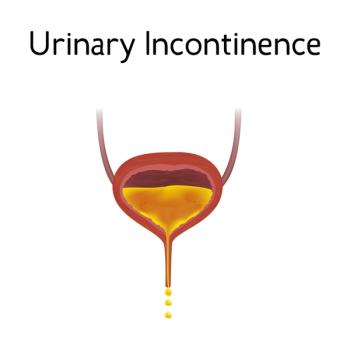
Researchers reported that lidocaine did not affect POUR rates but enhanced early recovery metrics after SUI surgery.

Review some of the top stories from the Contemporary OB/GYN website over the past week and catch up on anything you may have missed.

GSK, Spero Therapeutics, resubmitted an NDA for tebipenem HBr, an oral carbapenem antibiotic, for treating complicated UTIs, supported by phase 3 trial data.

FDA grants 510(k) clearance to Revi System against urgency urinary incontinence
Published: | Updated:
The updated Revi System streamlines management of urgency urinary incontinence, with an easy-to-use design and a strong body of clinical evidence.
The FDA has approved injectable fosfomycin for adults with complicated urinary tract infections, offering a new treatment option against multidrug-resistant bacteria.

A new study reveals that nearly 20% of urinary tract infections in Southern California may stem from E. coli strains found in contaminated meat.

Tebipenem HBr met primary endpoints in a phase 3 trial, showing oral efficacy comparable to IV carbapenem for complicated urinary tract infections.
The 2025 amendment updates diagnostic, treatment, and prevention strategies for recurrent urinary tract infections in women.
Review some of the top stories from the Contemporary OB/GYN website over the last week, and catch up on anything you may have missed.

Oral sulopenem (ORLYNVAH; Iterum Therapeutics) was non-inferior to amoxicillin/clavulanate for treating uUTIs in women, per the phase 3 REASSURE trial.

A new randomized trial shows Er:YAG laser therapy offers no significant benefit over sham treatment for managing female stress urinary incontinence at 6 months.

GSK and Spero Therapeutics announced that the phase 3 PIVOT-PO trial for tebipenem HBr, a potential first oral carbapenem for cUTIs in the United States, was stopped early because of positive efficacy results.

In this Q&A, Karyn S. Eilber, MD, shares some of the biggest takeaways from the new AUA/SUFU/AUGS 2025 Guidelines on Genitourinary Syndrome of Menopause.

A new study finds no significant difference in symptom improvement between onabotulinumtoxinA injections and midurethral sling surgery for women with mixed urinary incontinence.

A new study reveals that virtual pelvic floor therapy is just as effective as in-person treatment for postpartum women with stress urinary incontinence.

New guidelines on GSM recommends symptom-based diagnosis, shared decision-making, and local estrogen as first-line therapy to improve quality of life.
Review some of the top stories from the Contemporary OB/GYN website over the last week, and catch up on anything you may have missed.
Advertisement
Advertisement
Trending on Contemporary OB/GYN
1
Neurokinin receptor antagonists improve menopausal sleep disturbance
2
TMS 2026: HSDD biopsychosocial approach, night sweats red flags, misread WHI data
3
Brain fog at menopause: Separating normal change from dementia
4
Stephanie Faubion, MD, on the first menopause therapy discussion
5