




Urology
Latest News
Advertisement
Latest Videos
CME Content


Advertisement
More News
A brief overview of how and when providers incorporate urodynamic testing as part of the diagnostic workup for OAB.

Panelists further expand on the typical clinical characteristics of patients with OAB who they see in their practice, common signs and symptoms, and potential differential diagnoses.

Experts begin their panel discussion on OAB by describing the typical diagnostic process and initial conversations that they have with patients suspected of having the condition.

Urologist Benjamin Brucker, MD, urogynecologist Eman Elkadry, MD, and nurse practitioner Jenna Horton, NP introduce themselves, outline their credentials, and briefly describe the patients with overactive bladder (OAB) who they typically see in their clinical practice.

At the 2023 ACOG Annual Clinical & Scientific Meeting, the efficacy and satisfaction rates of pessaries in patients with prolapse symptoms were discussed.
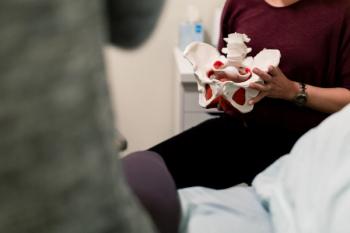
In study findings published in Obstetrics & Gynecology, leva Pelvic Health System (Renovia) achieved significantly greater urinary incontinence symptom improvement than a standard home pelvic floor muscle training program at 6 and 12 months.

A recent study analyzed the effect artificially sweetened beverages have on urinary incontinence in women.
In this document, AUGS describes how the task force was organized and conducted the work to develop strategies focused on DEI.
The patient-focused book entitled Pelvic Floor Health: Your Guide to Pregnancy and Postpartum Care is now available in paperback and e-book!
This article aims to present consensus recommendations for the optimal perioperative management of patients undergoing urogynecological surgery.
A consensus-based document establishing clear terminology for cosmetic gynecology procedures has been created.
Pelvic floor disorders (PFDs) are complex conditions that impact millions of women worldwide.
Take a look at some important dates ahead of PFD Week 2023.
This clinical consensus statement on vaginal energy-based devices (EBDs) reflects an update by content experts from the American Urogynecologic Society’s EBD writing group.
Don't miss your chance to apply for one of AUGS's many volunteer opportunities and help them shape the future of their publications.
Find out more on how to get involved with AUGS.

Wondering what events are coming up for the American Urogynecologic Society? Find out more here.

Check out these latest resources from the American Urogynecologic Society.

Data is scare for a comparison of the efficacy of onabotulinumtoxinA for treatment of overactive bladder between patients treated with 1 oral overactive bladder medication vs patients treated with more than 1.

The authors propose that moderate and high physical activity levels tend to be linked with a lower risk of constipation in adults following a meta-analysis of over 3,000 studies.

During a poster session of the 2022 American Urogynecologic Society and International Urogynecological Association’s 47th Annual Meeting, researchers shared a study that investigated baseline knowledge of patients with pelvic floor therapy.

Health literacy is an integral part of a patient’s ability to make informed health decisions, especially when it comes to chronic pelvic pain (CPP).
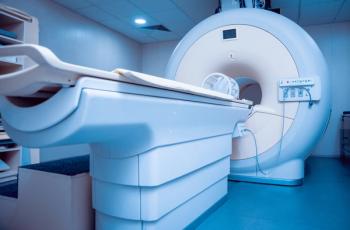
The use of dynamic MRI for pelvic organ prolapse is essential for properly counseling patients and interpreting radiographic findings.

During the poster session of the AUGS and IUGA 2022 Scientific Meeting, investigators showed how pelvic floor physical therapy (PFPT) can help pregnant women who suffer from obstetric anal sphincter injury (OASI).

Cheryl Iglesia, MD, discusses varying treatments for overactive bladder at the 2022 American College of Obstetricians & Gynecologists' Annual Clinical & Scientific Meeting held in San Diego, California from May 6-8.
Advertisement
Advertisement
Trending on Contemporary OB/GYN
1
Contemporary OB/GYN launches 'Missed & Dismissed' podcast to explore diagnostic gaps in women's health
2
Q&A: Anita Nelson, MD, on etonogestrel implant's 5-year approval and REMS certification
3
CD38 is tied to age-related placental NAD+ decline in preclinical study
4
Menopause proteomic scores associated with cognitive aging, dementia risk
5