






Mental Health
Latest News
Advertisement
Latest Videos




Shorts
1:09
Attempting to identify postpartum psychosis with Alexis Totaro, MSN
a month ago
by
Alexis Totaro, MSN, RN, WHNP-c, CARN-AP(+1 more)
0:48
Zuranolone in patients with moderate postpartum depression
2 months ago
by
Joshua Fitch, Senior Editor (+1 more)

0:32
Embedding mental health care into ob-gyn settings
2 months ago
by
Roshni Koli, MD(+1 more)
0:45
Zuranolone only through 45 days for PPD, with Joy Baker, MD
3 months ago
by
Joy Baker, MD, FACOG(+1 more)
0:58
Real-world analysis of zuranolone for PPD with Joy Baker, MD
3 months ago
by
Joy Baker, MD, FACOG(+1 more)

0:22
Collaborative care in the ob-gyn setting, with Roshni Koli, MD
3 months ago
by
Roshni Koli, MD(+1 more)
0:40
Surprising benefits of breastfeeding for mothers
8 months ago
by
Fionnuala McAuliffe MD, FRCOG, FRCPI, FSEM, FACOG, FICOG(+1 more)
0:40
Why you must treat postpartum depression quickly and effectively
9 months ago
by
Melanie Barrett, MD
0:37
New potential PPD treatment delivers rapid, sustained relief for depression and anxiety
10 months ago
by
Melanie Barrett, MD
CME Content


Advertisement
More News

Get caught up with Contemporary OB/GYN! This list helps you navigate our top stories from the week, all in one place.

The Policy Center for Maternal Mental Health's 2026 report cards show a slight national grade improvement to a "C," though a new parental support domain returned an "F" across the United States.

A new analysis finds that most pregnant patients with depression or anxiety discontinue SSRIs/SNRIs—and face nearly double the risk of mental health emergencies.

Christina Paidas Teefey, MD, says advances in early prenatal diagnosis are accelerating fetal center referrals and underscoring the need for multidisciplinary and psychosocial support.

“We do know that women, their intention to breastfeed is a very strong predictor of them successfully breastfeeding. Those conversations in pregnancy are very important," said Fionnuala McAuliffe, MD, in this Contemporary OB/GYN interview.
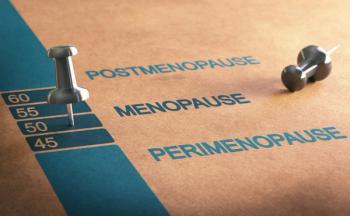
Menopause was associated with increased anxiety, depression, sleep problems and reductions in grey matter in key brain regions.
Longer lifetime breastfeeding was associated with lower odds of depression and anxiety up to 10 years later in a prospective cohort of midlife women.

A single subcutaneous dose of RE104 produced rapid and durable improvements in postpartum depression, supporting advancement into phase 3 development.

A large systematic review and meta-analysis found no evidence that paracetamol use during pregnancy increases the risk of autism, ADHD, or intellectual disability in children.

A phase 3 trial of oral brexanolone for postpartum depression will continue unchanged following a favorable DSMB safety review.

A study found women with hyperemesis gravidarum face significantly greater risks of prepregnancy and postpartum depression.

An international panel of women’s mental health specialists urges the DSM to recognize postpartum psychosis as a distinct condition.

A review presented at The Menopause Society 2025 highlights the links between menopause-related brain changes and cognitive function.
A study found that women with hyperemesis gravidarum face significantly increased risks of multiple mental health conditions.

A new study highlights the need for trauma-informed care in obstetrics to improve outcomes and reduce racial disparities.
A nationwide analysis reveals rural mothers are more likely to receive medication or therapy for postpartum depression and anxiety compared with their urban counterparts.

Review some of the top stories from the Contemporary OB/GYN website over the past week and catch up on anything you may have missed.

Experts debate the risks and benefits of SSRIs during pregnancy, emphasizing the need for better education and transparency in treatment options.

A new review reveals that maternal depression significantly impairs bonding, sensitivity, and emotional engagement among mothers.

Nearly one-third of women with premature ovarian insufficiency experience depressive symptoms, according to a recent study.

Infants born preterm or with complications face higher risks of chronic conditions in adulthood, highlighting policy and health care needs.

Women with attention-deficit hyperactivity disorder are over 3 times more likely to experience premenstrual dysphoric disorder, especially when co-occurring with anxiety or depression, according to new research.

Learn how postpartum psychosis impacts maternal health, the role of family history, and key steps to identify and prevent this serious but treatable condition.

New research reveals a strong genetic connection in postpartum psychosis, emphasizing the need for early screening in high-risk women.

A new study reveals worsening mental and physical health among female parents, highlighting growing disparities across race, income, and family structure.
Advertisement
Advertisement
Trending on Contemporary OB/GYN
1
FDA grants priority review to elinzanetant for VMS in women receiving endocrine therapy for breast cancer
2
Q&A: Anita Nelson, MD, on etonogestrel implant's 5-year approval and REMS certification
3
Contemporary OB/GYN launches 'Missed & Dismissed' podcast to explore diagnostic gaps in women's health
4
Missed & Dismissed: The diagnostic gap starts in childhood
5