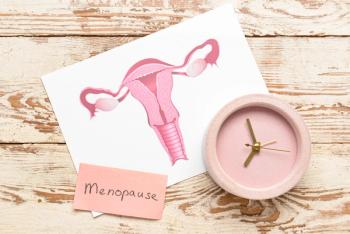
Menopause proteomics were consistently associated with inflammatory brain aging and Alzheimer’s dementia risk across nearly 15,000 women in a new study published in Nature Medicine.
A new LifeStance survey finds many women are unaware that perimenopause can affect mental health.
A new survey from LifeStance Health finds that many women going through perimenopause or menopause are caught off guard by the mental health symptoms that can accompany the transition. Among 1,000 women surveyed, 33% said they did not know perimenopause can cause mental health-related symptoms, and most had lived with symptoms for months before recognizing what they were experiencing.1
The survey, conducted by Dynata on behalf of LifeStance Health in June 2026, included women born between 1960 and 1990 who currently have, or suspect they have, perimenopause or menopause. Respondents described their anxiety (66%) and depression (54%) as somewhat or extremely severe, and many had initially attributed those symptoms to a separate, standalone condition rather than a hormonal transition.1
"Women's mental health needs change across their life stages, and perimenopause and menopause are among the biggest transitions of all. Specialized, life-stage-specific care should be standard practice, and I believe the organizations that build care around this reality, rather than taking a one-size-fits-all approach, will define the next era of women's health," said Stephanie Eken, MD, chief medical officer, LifeStance Health in a news release.1
The survey points to a pattern in which women experience mental health symptoms for an extended period before connecting them to perimenopause or menopause, with many initially attributing anxiety or depression to an unrelated cause. That delay may help explain why nearly half of respondents did not realize how long these symptoms can persist, and why more than a third were surprised that the two conditions can mimic a standalone mental health diagnosis.
Despite the awareness gap, most respondents who did pursue treatment, whether therapy or medication, reported it was helpful (83%), and 47% said mental healthcare should be built into standard perimenopause care rather than treated as a separate concern.1
Beyond individual symptom burden, separate research offers a sense of the wider cost when menopause symptoms go unaddressed. A 2023 Mayo Clinic Proceedings study estimated that menopause symptoms cost the United States’ economy approximately $1.8 billion annually in lost work productivity, rising to $26.6 billion when associated healthcare costs are included, based on a survey of more than 4,400 employed women ages 45 to 60. The study's authors noted that additional research in larger, more diverse populations is needed to confirm these findings.2
References: