

News|Videos|October 10, 2023
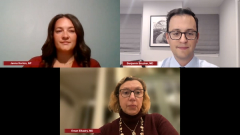
EP. 13: Re-Treatment and Scheduling with OnabotulinumtoxinA
Advertisement
Please see full
Sponsored by AbbVie US Medical Affairs
Episodes in this series


This content is intended for US/PR Healthcare Professionals.
The Medical Affairs department of AbbVie Inc. is the sole author and copyright owner of this presentation and has paid Urology Times to host this presentation. AbbVie is solely responsible for all written and oral content within this presentation. © 2023 AbbVie Inc. All rights reserved.
Advertisement
Related to this article

Get caught up with Contemporary OB/GYN's latest coverage from The Menopause Society Annual Meeting in San Diego, California.

Misread Women’s Health Initiative data sidelined hormone therapy and menopause education, according to Mary Jane Minkin, MD, FACOG.

Susan Reed, MD, on the MsFLASH network's pooled findings, including nonhormonal therapies comparable to low-dose estradiol and CBT for sleep.

Late recurrence, high-risk features, and treatment failure can signal midlife night sweats aren’t menopause, according to Cheryl Cox Kinney, MD.

Hormone therapy was associated with more frequent, longer migraines in postmenopausal women, but not with greater severity or analgesic use.

JoAnn V. Pinkerton, MD, offers primary care counseling on elinzanetant's side effects and the early onset and continued relief of hot flashes.

Menopausal brain fog is common, and hormone therapy has neutral cognitive effects, according to Pauline M. Maki, PhD.

Stephanie S. Faubion, MD, on choosing between fezolinetant and elinzanetant, liver monitoring, follow-up, and open questions in menopause care.
Advertisement
Advertisement
Trending on Contemporary OB/GYN
1
Neurokinin receptor antagonists improve menopausal sleep disturbance
2
TMS 2026: HSDD biopsychosocial approach, night sweats red flags, misread WHI data
3
Higher physical activity tied to lower perimenopause symptom burden
4
How misread WHI data reshaped menopause care and training
5