

A major study of over 2 million women reveals that common pregnancy complications significantly increase the risk of stroke decades later.
A major study of over 2 million women reveals that common pregnancy complications significantly increase the risk of stroke decades later.

A new study shows that a first-trimester blood test using cell-free RNA can predict early and late-onset preeclampsia with high accuracy.
A new study uncovers inherited epigenetic changes in embryos of women with polycystic ovary syndrome, offering insights into early risk detection and future fertility therapies.

A large-scale study finds women with endometriosis are 4 times more likely to conceive than those with other infertility diagnoses, offering new hope for patients.

A recent study highlighted a longer average pregnancy duration before abortion in states with bans, alongside increased travel time and costs.

A roundup of the most impactful FDA approvals in women’s health from January through June 2025, spanning diagnostics, therapeutics, and at-home care.

New research reveals that reduced Parabacteroides merdae and elevated branched-chain amino acids in women with polycystic ovary syndrome may increase adverse pregnancy outcomes.

A look back at the most important FDA approvals, clinical research, and expert perspectives shaping ob-gyn care in the first half of 2025.

A new study reveals hybrid closed-loop technology significantly improves glucose control for pregnant women with T1D.

Eliminating a modest out-of-pocket cost significantly increased digital breast tomosynthesis use and reduced disparities across racial, ethnic, and language groups.

Take a quick look at everything you may have missed during Q2 of 2025, including the latest FDA approvals, top stories, and exclusive interviews.

Take a quick look at everything you may have missed last month, including the latest FDA updates and top stories.

A large European study finds that exposure to fine particulate matter during pregnancy may increase the risk of childhood overweight and obesity, especially in children aged 9 to 12 years.
Uterine fibroid care is evolving with more treatment options, fertility-focused planning, and a greater emphasis on quality of life and shared decision-making.

New research shows that analyzing sleep pattern variability from wearable devices can improve early prediction of preterm birth in pregnant women.

Experts warn that removing the COVID-19 vaccine from CDC guidelines endangers maternal and neonatal health and undermines evidence-based medical practice.

A new study finds women with postpartum hemorrhage face significantly higher odds of cardiovascular disease and thromboembolism for up to 15 years after childbirth.

Review some of the top stories from the Contemporary OB/GYN website over the last week, and catch up on anything you may have missed.

A new study reveals rising breast cancer rates among minority women aged 65 to 74 years, highlighting the need for targeted screening and intervention strategies.

Women with attention-deficit hyperactivity disorder are over 3 times more likely to experience premenstrual dysphoric disorder, especially when co-occurring with anxiety or depression, according to new research.

A new study reveals that abnormal postpartum bleeding is more common than previously reported, driving up hospital costs and increasing the risk of serious complications.

Oral sulopenem (ORLYNVAH; Iterum Therapeutics) was non-inferior to amoxicillin/clavulanate for treating uUTIs in women, per the phase 3 REASSURE trial.

New research shows women receiving Medicaid and support services are significantly more likely to receive treatment for opioid and drug use disorders.

A new study reveals that nearly half of women who want kids are uncertain they'll follow through, shedding light on the complex emotions behind declining birth rates.
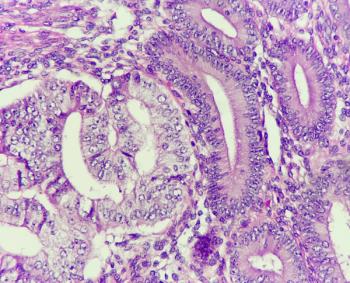
A major clinical trial shows personalized treatment based on molecular profiling can safely cut radiation use in nearly half of women with high-intermediate risk endometrial cancer.

Researchers developed a CRISPR-Select assay to classify BRCA gene variants, improving early breast and ovarian cancer detection.

A new study finds that exposure to mycoestrogens during pregnancy may reduce birthweight and impair placental efficiency, with climate change expected to increase exposure risks.

The American Medical Association urges plant-based diets, exercise, and reduced alcohol to lower breast cancer risk and address racial disparities.

Wildfire smoke and heat stress before and early in pregnancy raise the risk of SGA births, especially in climate-vulnerable neighborhoods.

Higher third-trimester glucose levels in insulin-dependent pregnancies are tied to increased obesity risk in adult offspring, a 40-year study finds.