

A recent study suggests that a higher Hepatic Steatosis Index in early pregnancy is linked to an increased risk of gestational hypertension and preeclampsia.
A recent study suggests that a higher Hepatic Steatosis Index in early pregnancy is linked to an increased risk of gestational hypertension and preeclampsia.

A multi-layer perceptron risk prediction model outperforms traditional methods in identifying high-risk pregnancies, offering a promising tool for early intervention.

A new study highlights the anti-aging properties of key hormones, offering potential treatments for wrinkles, hair graying, and other signs of aging.

A found that adding personal coaching to electronic mindfulness-based interventions significantly lowers anxiety and depression in pregnant women, offering a low-cost, accessible mental health solution.

A recent study highlights the genetic diversity within the ompA-genotype L2b clade, improving understanding of sexually transmitted infections and their transmission patterns.

Sonio’s artificial intelligence-powered model improves fetal anomaly detection by 22 points, enabling earlier diagnosis and better maternal-fetal health outcomes.

A recent study found that administering prophylactic intramuscular methylergonovine after umbilical cord clamping significantly reduces intraoperative blood loss and hemoglobin drop in twin cesarean deliveries.

A recent study shows that metformin does not influence breastfeeding rates in patients with type 2 or early diabetes, highlighting the need for other strategies to support breastfeeding success in this population.

Review some of the top stories from the Contemporary OB/GYN website over the last week, and catch up on anything you may have missed.

A new study reveals a rise in Texas residents traveling to Colorado for abortion care following restrictive legislation, highlighting its impact on access and health care demand.

A recent study found strong adoption of the RSVpreF vaccine during pregnancy and nirsevimab in infants, highlighting an effective strategy to reduce RSV-related hospitalizations in young infants.

Learn how clinicians can reduce pain during intrauterine device placement with evidence-based, patient-centered approaches to improve accessibility and patient experience.

Researchers have identified key neuroactive steroid imbalances in the third trimester that may predict postpartum depression risk, paving the way for earlier intervention and preventive treatments.

A new study highlights a strong link between placental inflammation and preterm birth, with developing regions showing higher incidences of infection-related complications.

A new study highlights how neighborhood-level socioeconomic deprivation in early pregnancy significantly raises the long-term risk of cardiovascular disease in postpartum women, emphasizing the role of social determinants in maternal health.

Discover how a comprehensive biopsychosocial approach addressing biological, psychological, and social factors can improve sexual health, boost confidence, and enhance overall well-being.

A recent study reveals that specific Treg subpopulation changes in the first trimester may contribute to spontaneous preterm labor, shedding light on the role of immune regulation in pregnancy outcomes.
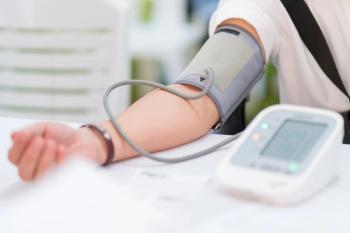
A new study finds that children born to mothers with hypertensive disorders of pregnancy or gestational diabetes are at a higher risk of developing cardiovascular health issues by ages 10 to 14 years.

A new study confirms that estimating fetal weight with ultrasound between 35 to 38 weeks’ gestation strongly predicts large for gestational age births, helping guide clinical management decisions.

In a recent study, the rate of infant deaths was increased by 5.6% in US states implementing abortion bans.

As in vitro fertilization procedures evolve with new technologies and extended embryo care, embryologists face increasing workloads, higher stress levels, and the challenge of maintaining precision, leading to concerns about burnout and efficiency in the lab.
Review some of the top stories from the Contemporary OB/GYN website over the last week, and catch up on anything you may have missed.

New research from NYU Grossman School of Medicine reveals that maternal health conditions during pregnancy are correlated with autism risk but are not a direct cause, highlighting the role of genetic and familial factors.

A new study found that US states with 6-week or complete abortion bans saw a 1.70% rise in fertility rates, with the greatest increases observed in Texas, Kentucky, and Mississippi.

A recent BMJ study reveals that hormonal contraceptives, particularly those containing oestrogen, may elevate the risk of ischemic stroke and heart attack, though absolute risks remain low.

A new study links the removal of parental consent requirements for abortion in Massachusetts to significantly earlier gestational age at the time of the procedure, highlighting the impact of reduced barriers on timely reproductive care.

A new study highlights how clitoral size, position, and shape may influence sexual function following transvaginal surgery for pelvic organ prolapse.

A recent study highlights significant variations in pregnancy-related deaths across US states, emphasizing the need for targeted policies to address homicide, suicide, and drug overdose among pregnant and postpartum individuals.

A new artificial intelligence-based study found risk factor combinations linked to severe adverse pregnancy outcomes, offering a more personalized and transparent approach to risk assessment in obstetrics.

Prediction models for severe preeclampsia complications are most accurate on day 2 after hospital admission but become less reliable over time, according to a recent study.