

In a recent study, approximately half of infective endocarditis cases were women who inject drugs, despite only one-third of people who inject drugs being women.
In a recent study, approximately half of infective endocarditis cases were women who inject drugs, despite only one-third of people who inject drugs being women.

In a recent study, cardiovascular severe maternal morbidity was significantly more common in patients with hypertensive disorders of pregnancy vs those without.

Review some of the top stories from the Contemporary OB/GYN website over the last week, and catch up on anything you may have missed.

In a recent pilot trial, endometriosis-related visual-analog scale and quality-of-life scores were improved during anakinra treatment cycles vs placebo cycles.

In a recent meta-analysis, the prevalence of human papillomavirus, especially types 16 and 18, were significantly increased among patients with ovarian cancer vs controls.

A recent study suggests that postoperative endometriosis patients experience improved quality of life through hormone therapies guided by optimizing treatment based on individual hormonal receptor profiles.

In a recent study, only 22.7% of women had menopause symptoms documented in their electronic health record, highlighting low rates of diagnosis and treatment.

In a recent study, patients with early puberty had increased rates of diabetes, obesity, and other metabolic conditions, as well as increased mental health risks.

While rates of exclusive breastfeeding have slightly increased between 2016 and 2022, they remain under the Healthy People 2030 goal.

In a recent study, higher preterm birth rates were reported among Alaska Native, Black, and Pacific Islander patients with public insurance.

Respondents of a survey conducted by Contemporary OB/GYN shared their practices for RSV counseling and their thoughts on how awareness may be improved.

A recent study reveals that localized estrogen treatment significantly improves vaginal atrophy and vaginitis symptoms in postmenopausal women, offering new insights into tailored hormone therapies.
Review some of the top stories from the Contemporary OB/GYN website over the last week, and catch up on anything you may have missed.

In a recent study, women with gestational diabetes mellitus were often older, had a higher body mass index, and more often experienced adverse pregnancy outcomes.
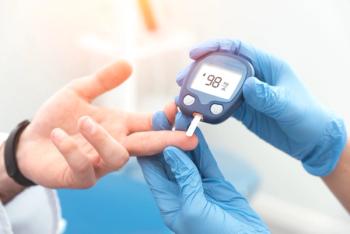
In a recent study, adolescents and young adults with prediabetes were more likely to experience gestational diabetes during their first pregnancy.

In a recent study, similar bone health results were reported between oral contraceptive users with and without prune consumption, as well as nonusers.

In a recent study, patients with a positive response to the Seven-Question Family History Questionnaire were more likely to present with a pathogenic or likely pathogenic variant in the BRCA1 and BRCA2 genes.

In a recent study, significantly increased rates of both spontaneous and indicated preterm birth were found in women with systemic lupus erythematosus.

In a recent global review, significant annual increases in the mean term birthweight were reported, indicating worldwide public health impacts.

In a recent study, similar rates of live birth and other pregnancy outcomes were reported between patients receiving double- vs single-layer uterine closure following cesarean delivery, indicating a lack of superiority from a single method.

A recent study found no significant difference in live birth rates between blastocyst and cleavage stage embryo transfers in women with 4 or more embryos during in vitro fertilization.

In a recent study, infants of mothers with an influenza infection during pregnancy were significantly more likely to experience febrile seizures, but not epilepsy.

In a recent study, the odds of miscarriage, fecundability, and subfertility were significantly increased among patients with a body mass index outside the normal category during the preconception or early-pregnancy period.
Review some of the top stories from the Contemporary OB/GYN website over the last week, and catch up on anything you may have missed.

A recent study reveals that pregnancy-specific factors influence aspirin pharmacokinetics and pharmacodynamics, suggesting the need for tailored aspirin dosing to optimize outcomes in preventing preeclampsia.

In a recent study, a significant improvement in the average quality-adjusted life years gained was reported following BRCA1 testing during obstetrical prenatal carrier screening.

A recent study shows that adding metronidazole to cefazolin significantly lowers the risk of surgical site infections in gynecologic cancer surgeries, enhancing patient outcomes.

In a recent study, very preterm birth rates were reduced during COVID-19 lockdown periods vs prepandemic periods.

In a recent study, reported rates on emergency department utilization for hypertensive disorders of pregnancy and the postpartum period were higher in 2020 than 2006, with rates especially high among non-Hispanic Black, Hispanic, and Asian patients.

New research shows fezolinetant significantly reduces the frequency and severity of hot flashes in Hispanic women, offering a safer alternative to hormone replacement therapy.