

The new single-handed inserter by CooperSurgical streamlines the placement of Paragard, a hormone-free IUD with over 30 years of proven efficacy, enhancing accessibility for both health care providers and patients.
The new single-handed inserter by CooperSurgical streamlines the placement of Paragard, a hormone-free IUD with over 30 years of proven efficacy, enhancing accessibility for both health care providers and patients.

In a recent study, the odds of adverse pregnancy outcomes were significantly increased in pregnancies of women with solid organ transplants.

In a recent study, reduced aging discrepancies were observed in postmenopausal women reporting hormone therapy use vs nonusers.

Review some of the top stories from the Contemporary OB/GYN website over the last week, and catch up on anything you may have missed.

In a recent study, only mothers with a COX1 rs1330344 TT genotype had reduced offspring atopic dermatitis risk following fish oil supplementation.

Astellas Pharma has announced the first dose administration of fezolinetant to manage moderate to severe vasomotor symptoms in breast cancer patients using adjuvant endocrine therapy.
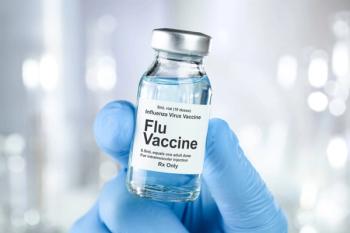
The CDC's latest guidelines for the 2024 to 2025 influenza season include updates to vaccine composition and specific recommendations for high-risk groups, including children, pregnant persons, and solid organ transplant recipients.

In a recent study, older women receiving messages about breast cancer screening cessation were more likely to support stopping screening than those who did not receive a message.

In a recent study, women overdue for cervical cancer and colorectal cancer screening were more likely to receive coverage when offered during their breast cancer screening visit.

In a recent study published in The Journal of Sexual Medicine, Sildenafil Cream, 3.6% was indicated as safe and well-tolerated for use against female sexual arousal disorder in healthy premenopausal women.
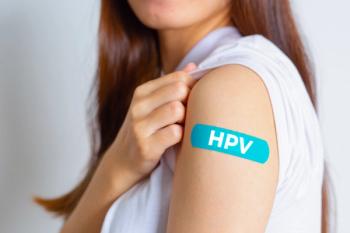
A CDC report shows varying HPV vaccination rates in US-affiliated Pacific Islands, with only some regions on track to meet the 2030 WHO goal.

The USPSTF found insufficient evidence to assess benefits and harms of screening for iron deficiency and anemia or routine supplementation in pregnancy.

A JAMA Pediatrics study found 37% of adolescents with gender dysphoria began hormone therapy within 2 years, highlighting barriers and inequities in care.

A retrospective analysis of postpartum hemorrhage cases shows the noninvasive procedure may be a simplistic and highly effective mean to reduce bleeding.

The over-the-counter, at-home test provides blood results in 15 minutes that could help result in sooner syphilis diagnoses.

A case series study shows women with absolute uterine-factor infertility who achieve a successful graft survival from uterus transplants may have greater conception success.

In a recent study, the accuracy of an artificial intelligence tool operated by novice users with no prior ultrasonography training for estimating gestational age was similar to that of expert sonographers conducting standard biometry.

Following the Supreme Court’s decision to retain mifepristone access in June 2024, health care providers have spoken out about the need to fight for reproductive health care protections on a national and local level.

In a recent study, older women with type 2 diabetes had a higher bone mineral density but reduced physical function, linking the reduction in physical function to increased fracture risk in this population.

A recent study found that women with a shorter reproductive lifespan had increased odds of multimorbidity compared to those with a longer reproductive lifespan, indicating a need to assess reproductive factors to determine high-risk patients.

A recent study found that 37% of women do not recognize postmenopausal bleeding as an early symptom of endometrial cancer, indicating a lack of knowledge among patients and providers.
Review some of the top stories from the Contemporary OB/GYN website over the last week, and catch up on anything you may have missed.

A recent study reported an increase in cervical cancer screening rates among people living with HIV when offering a directed initiative alongside standard care, from 54% to 75%.

A study presented at the Infectious Disease Society for Obstetrics and Gynecology 2024 Annual Meeting found an increase of 4 days between diagnosis and treatment among pregnant patients with congenital syphilis vs those without congenital syphilis.
The US SPR has been updated to help clinicians address specific issues that may arise in patients using certain contraceptive methods.

A recent study highlights how a lack of reliable transportation significantly reduces influenza vaccination rates among pregnant individuals, underscoring the need for improved prenatal care access.

A study presented at the Infectious Disease Society for Obstetrics and Gynecology 2024 Annual Meeting highlights the importance of affordability and convenience in boosting STI test uptake among adolescents and young adults.

A study discussed by Tabby Khan, MD. MPH, reveals low rates of low-dose aspirin use among high-risk preeclampsia patients, highlighting the need for increased clinician awareness and better insurance coverage to improve maternal and infant health outcomes.

A recent study found higher levels of moral distress among clinicians practicing in states with strict abortion restrictions following the Supreme Court's Dobbs decision.
Review some of the top stories from the Contemporary OB/GYN website over the last week, and catch up on anything you may have missed.