

A recent found that postpartum depression rates do not differ among women treated with intravenous ferric carboxymaltose, intravenous ferric derisomaltose, or oral ferrous sulphate for postpartum anemia.
A recent found that postpartum depression rates do not differ among women treated with intravenous ferric carboxymaltose, intravenous ferric derisomaltose, or oral ferrous sulphate for postpartum anemia.
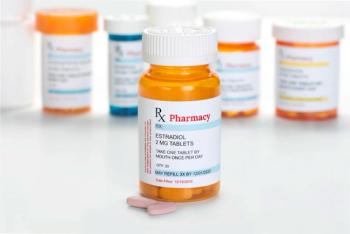
A recent highlights elevated morbidity and mortality risks in premenopausal women underusing estrogen therapy after oophorectomy, underscoring the critical need for hormone therapy to mitigate adverse health outcomes.

A recent study reveals that daily d-mannose supplementation does not reduce the incidence of recurrent urinary tract infections in women.

A study revealed that women with endometriosis are significantly more likely to develop mental health issues, including depression and anxiety.

A recent analysis found decreased incidence and symptom frequency of childbirth-related posttraumatic stress disorder following multiple therapies, ranging from cognitive behavioral therapy to music therapy.

A new study led by Catherine A. Matthews, MD, FACS, FACOG, indicates that single-incision slings are noninferior to retropubic slings for treating stress incontinence in women undergoing vaginal prolapse repair, with slightly better patient satisfaction and fewer serious adverse events.

A recent found that interpregnancy intervals shorter than 18 months or at least 36 months following a healthy live birth are associated with a higher risk of subsequent spontaneous abortion.

Pregnant workers exposed to heavy lifting and postural load face higher risks of pelvic girdle pain and employment cessation, as per a recent study.

Review some of the top stories from the Contemporary OB/GYN website over the last week, and catch up on anything you may have missed.

A quality improvement program aimed at optimizing postpartum care resulted in increased and earlier readmissions for preeclampsia, suggesting a need for further research into its efficacy.

In a unanimous ruling, the Supreme Court rejected a challenge by antiabortion doctors, maintaining nationwide access to mifepristone for medication abortions and reversing a lower court's decision to restrict the pill's availability.

Recent changes in Medicaid billing policies allowing separate reimbursement for long-acting reversible contraceptives have increased their use immediately postpartum, based on data from a recent study.

A recent study reveals that non-Hispanic White women living in deprived neighborhoods face higher breast cancer mortality, highlighting the impact of social determinants on health outcomes.

The ACCESS Consensus Group's new guidelines aim to enhance cervical cancer screening and reduce mortality rates in high-income countries, emphasizing the urgent need for increased participation and innovative approaches such as self-sampling.

Abbott's Lingo and Libre Rio CGM devices, designed for general health and Type 2 diabetes management respectively, receive FDA approval, offering advanced metabolic health tracking for US consumers.

A recent study found wide disparities in iron deficiency rates among women, influenced by different diagnostic definitions, regardless of race, ethnicity, pregnancy, or age.

A recent study reveals that female Medicare beneficiaries face a significant increase in mortality disparity compared to male beneficiaries, particularly at lower-quality hospitals, underscoring the need for equitable access to high-quality care.

A recent study reveals a significant increase in hypertensive disorders among pregnant individuals in the United States from 2010 to 2021, highlighting the need for focused public health measures to mitigate modifiable risk factors.

A recent study concludes that antibiotic use during pregnancy or infancy is not associated with increased risks of autism spectrum disorder, intellectual disorder, or language disorder, though a slight increase in epilepsy risk was observed.

Risa Kagan, MD, discusses the efficacy of fezolinetant in reducing the frequency and severity of vasomotor symptoms in menopausal women, offering an alternative to traditional hormonal therapies.
Review some of the top stories from the Contemporary OB/GYN website over the last week, and catch up on anything you may have missed.

A recent study highlights a 35% reduction in severe maternal morbidity risk with epidural analgesia during labor, with even greater benefits for women with specific risk factors.

Research revealed that group multimodal prenatal care offers improved or equivalent postpartum outcomes compared to individual care, particularly in managing perceived stress and sleep duration.

A recent study reveals that heat waves significantly elevate the rates of preterm and early-term births, highlighting a critical public health issue.

A recent study reveals significant correlations between placental and cord serum metabolism at delivery, influencing neurodevelopmental outcomes in children with a high familial risk of autism spectrum disorder.

Following evidence from recent studies, the Centers for Disease Control and Prevention has recommended the use of doxycycline postexposure prophylaxis in sexual health among certain populations.

A recent study reported an increased risk of mortality when diagnosed with premenstrual disorders at an early age, as well as overall increased suicide risk.

A study revealed that the Dobbs v Jackson Women’s Health Organization decision has led to more out-of-state abortions and longer gestation periods in states such as Washington with legalized abortion.

USPSTF now advises biennial breast cancer screening from age 40 to 74 years based on an evolving evidence base.
Review some of the top stories from the Contemporary OB/GYN website over the last week, and catch up on anything you may have missed.