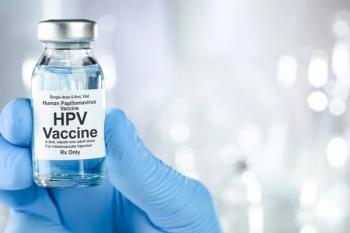
Experts discuss common patient concerns about vaccination in pregnancy and strategies to improve uptake.
Melanie Barrett, MD, highlights brexanolone’s ability to quickly and durably reduce depressive and anxiety symptoms in postpartum women.
Brexanolone has demonstrated strong effectiveness for the treatment of postpartum depression (PPD), with study results showing rapid, sustained improvements in both depressive and anxiety symptoms, according to Melanie Barrett, MD, psychiatrist at LifeStance Health.
In the study discussed, participants received a continuous 60-hour intravenous infusion of brexanolone over approximately 2.5 days. Women experienced significant reductions in depressive symptoms from the start of treatment through the end of the infusion, and these therapeutic benefits were sustained for up to 12 months of follow-up, highlighting both the rapid onset and durability of response.
Beyond improvements in mood, many participants also reported rapid reductions in anxiety symptoms, including obsessive-compulsive symptoms, which are commonly comorbid with postpartum depression and can substantially interfere with maternal functioning. From a safety perspective, brexanolone was found to be generally well tolerated, with no reportable serious adverse events observed during the study period.
Among women with a prior diagnosis of bipolar disorder who were maintained on mood stabilizers or antipsychotic medications, there was no evidence of treatment-emergent mania or hypomania during follow-up. This finding supports the potential safety of brexanolone in carefully monitored patients with complex psychiatric histories.
The significance of these findings lies in their reinforcement of brexanolone as an effective, well-tolerated treatment option capable of producing rapid and sustained relief of postpartum depressive symptoms. The study also included women who were up to 1 year postpartum—and some beyond 1 year at the time of treatment—which aligns with the American College of Obstetricians and Gynecologists definition of postpartum depression as occurring within the first year after delivery.
This emphasizes the need for ongoing screening and referral for treatment throughout the entire postpartum year, rather than limiting assessment to the early weeks after childbirth. Although brexanolone has been discontinued as of January 1, 2025, its clinical success has paved the way for newer, more accessible treatment options.
The approval of oral zuranolone represents a major step forward by reducing treatment barriers associated with prolonged intravenous infusions and inpatient monitoring. Future research is needed to evaluate real-world outcomes of zuranolone, including its effects on anxiety, use in women with bipolar disorder, and potential moderating factors such as concurrent antidepressant use, hormonal contraception, breastfeeding, insomnia, and other psychiatric comorbidities.
Overall, the findings underscore that postpartum depression is highly treatable and that timely screening, education, and referral to evidence-based treatments can improve outcomes for mothers, infants, and families.
No relevant disclosures.
Reference
Barrett M, Hattema J, Youngman C, Wilkinson ST, Dalthorp R. Real-world outcomes of brexanolone to treat postpartum depression. Women's Health Reports. 2025;6(1). doi:10.1177/26884844251383702