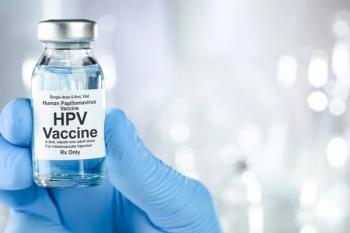
HPV vaccination before pregnancy was linked to lower odds of preterm birth in a Swedish study of 624,713 births.
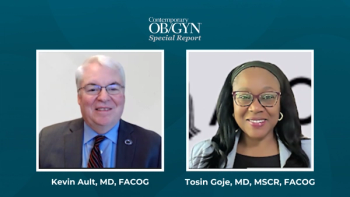
Kevin Ault, MD, FACOG, emphasizes that obstetric clinicians are patients' most trusted vaccine information source, making maternal COVID-19 counseling a high-value opportunity.
Obstetric clinicians remain the most trusted source of vaccine information for pregnant patients, making evidence-based counseling on maternal COVID-19 vaccination a high-value, low-effort opportunity, according to Kevin Ault, MD, FACOG, co-author of ACOG's 2026-27 respiratory virus immunization guidance. The discussion continues Ault's remarks on the updated recommendations, detailed in
Ault emphasized the influence clinicians hold in patients' vaccine decisions.
“The take-home message, probably, to my colleagues who do obstetrical care, the midwives and OB/GYNs and family doctors, is that the patients really pay attention to what you have to say. I mean, survey after survey, publication after publication, that's who patients are relying on for information,” he said.
He framed vaccination as a straightforward way to improve outcomes, even as the acute phase of the pandemic has passed.
“We're not at the point where we're having hundreds of COVID-related deaths in pregnancy, but we're certainly still seeing cases and hospitalizations, and so, for the best possible pregnancy outcomes, this is low-hanging fruit,” Ault said.
Ault acknowledged that patients may face practical barriers to obtaining a COVID-19 vaccine, including limited availability at the site of prenatal care.
“You may not be able to find COVID vaccine where you go to get your prenatal care, you may have to go to a pharmacy or somewhere else,” he said.
He also pointed to inconsistent public messaging as a reason clinician guidance matters.
“There's also conflicting statements coming from the political appointees at HHS, and so I'm glad that ACOG dug into the data and gave us evidence-based recommendations,” Ault said, noting that ACOG's recommendations are endorsed by a couple dozen other professional groups.
Per the guidance, ACOG's strong COVID-19 recommendation is based on more than 5 years of research and millions of administered doses, with no increased risk of miscarriage, stillbirth, preterm birth, small-for-gestational-age birth, or birth defects identified. Maternal COVID-19 vaccination lowered the risk of emergency department and urgent care visits for pregnant women by 58%, yet only 11.1% of pregnant women received a COVID-19 vaccine during the 2025-26 season, down 25.7% from the prior year.1
Reference: