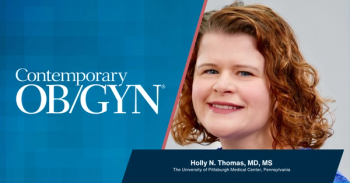
Distress, not low libido alone, defines HSDD, which requires a biopsychosocial evaluation, according to Holly N. Thomas, MD, MS.
Mental health, bias, and trauma shape sexual health visits, and histories should assess function, not just risk, according to Sameena Rahman, MD.
Clinicians evaluating sexual health concerns should address 3 “elephants in the exam room”—mental health conditions, medical bias, and trauma—to build trust with patients, according to Sameena Rahman, MD, FACOG, MSCP, IF, the founder of The GYN & Sexual Medicine..
Women with vulvovaginal disorders were often told their symptoms were supratentorial and were referred to psychiatry, Rahman said. Depression and anxiety could instead develop as a consequence of prolonged pain and repeated dismissal.
“If you can imagine living with genital pelvic pain for such a long time and not being believed, of course you’re going to have this element of depression or anxiety,” Rahman said.
Mental health should be assessed as part of the evaluation but should not be the only condition treated, she said.
Rahman cited maternal mortality, which she said was 3 times higher among Black women than among White women, as evidence that implicit bias affected care. She asked clinicians to check bias at the door and to listen to each patient’s history rather than assume a diagnosis such as vaginismus on the basis of ethnicity—an assumption she has previously described as cutting the differential diagnosis short.¹
Residency training largely framed trauma as a cause of vaginismus, Rahman said. A broader body of literature showed that trauma affected both access to care and sexual health, and recurrent trauma could manifest in the pelvic floor. A patient clenching the jaw or pelvis warranted questions about current stressors and childhood trauma.
Sexual history taking in medical school and residency focused on sexually transmitted infection risk, number of partners, and pregnancy prevention, which revealed little about patients’ sexual experience, according to Rahman. She recommended asking all patients about sexual function, including pain, libido, arousal, and orgasm.
“One of the reasons we have an orgasm gap is that women don’t even try to seek pleasure because it’s never taught to them that that is something they should seek,” Rahman said.
Clinicians sometimes asked about pain or libido, but arousal and orgasm were rarely addressed, she said.
Sexual function also reflected overall health. Because arousal depended on vascular engorgement, new arousal difficulty in a patient with previously normal function and comorbid hypertension or diabetes could signal systemic disease. Factors that kept blood vessels healthy also supported sexual health, Rahman said, and treating only the organ in question siloed care and did the patient no favors.
Rahman also recommended open-ended questions about what sex was like for the patient and how she was raised to view it, including whether she grew up in a sex-negative environment. Understanding the context in which a patient was raised and experienced sex was essential to care, consistent with her emphasis on exploring upbringing and family communication.²
REFERENCES
1. Rahman S. Sameena Rahman, MD, on bias, dismissed diagnoses, and the vulvar vestibule. Contemporary OB/GYN. September 23, 2026.
2. Rahman S. How do culture and modesty shape sexual dysfunction presentation? Contemporary OB/GYN. October 19, 2026.