






Cervical Health
Latest News
Advertisement
Latest Videos






Shorts
1:17
Creating options for increased HPV testing, with Jeff Andrews, MD, FRCSC
2 months ago
by
Jeff Andrews, MD, FRCSC(+1 more)
0:30
HPV at-home self-collection awareness
2 months ago
by
Jeff Andrews, MD, FRCSC(+1 more)
0:30
Counseling patients on HPV self-collection
2 months ago
by
Joshua Fitch, Senior Editor (+1 more)
1:03
What you need to know about updated cervical cancer screening guidance
5 months ago
by
Akiva Novetsky, MD, MS(+2 more)

1:13
Sangini Sheth, MD, MPH, on HPV self-collection awareness
6 months ago
by
Sangini Sheth, MD, MPH(+1 more)
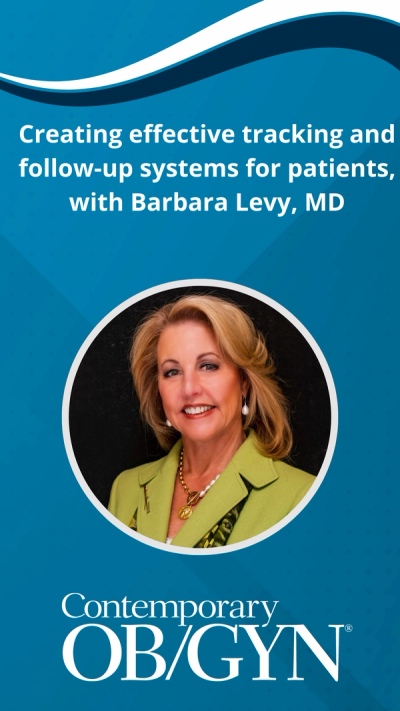
0:45
Creating effective tracking and follow-up systems for patients
8 months ago
by
Barbara Levy, MD(+1 more)

0:47
New guidelines can reduce barriers to care, with Barbara Levy, MD
9 months ago
by
Barbara Levy, MD, FACOG, FACS(+1 more)

0:52
The 'age effect': Vaccinated under 16 shows 80% cancer reduction
10 months ago
by
Jo Morrison, BM BCh

0:53
Increased anal cancer risk found in cervical cancer patients
a year ago
by
Haluk Damgacioglu, PhD

1:03
Benefits and risks of HPV self-collection
a year ago
by
Jessica Shepherd, MD, MBA(+1 more)

Advertisement
More News

The FDA cleared the Onclarity HPV Self-Collection Kit, allowing patients to collect samples at home for processing via the FDA-cleared BD Onclarity HPV Assay and BD COR System.

Get caught up with Contemporary OB/GYN! This list helps you navigate our top stories from the week, all in one place.
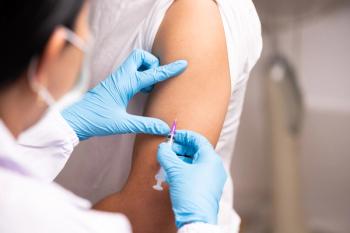
Among 2029 women in Scandinavian countries who were followed up for 14 years, vaccine effectiveness was 100%.


Research published in The BMJ indicates that individuals vaccinated against HPV before age 17 experience a 79% reduction in invasive cervical cancer risk compared to unvaccinated peers.

A Chinese study found that menstrual blood HPV testing had a comparable diagnostic accuracy to clinician-collected cervical samples in detecting CIN2+ and CIN3+.


Take a quick look at everything you may have missed in January, from our latest video interviews to new clinical trial data to a FAQ on cervical cancer.

Federal guidance now designates primary hrHPV testing every 5 years as the preferred cervical cancer screening method for most average-risk women aged 30 to 65 years and adds patient self-collection as an acceptable option.

New HRSA guidelines strengthen cervical cancer prevention by adding self-collected hrHPV testing and clarifying no-cost coverage for additional diagnostic services.
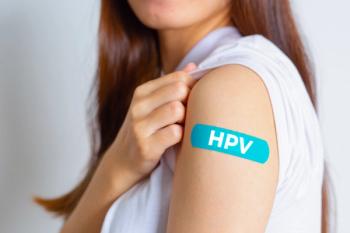
A study found HPV vaccination is linked to reduced odds of severe vulvar and vaginal precancerous lesions.

A study found widespread nonadherence to cervical cancer screening guidelines, with screening modality linked to overscreening and underscreening.

A study found women aged 65 years and older had significantly greater odds of late-stage cervical cancer.

Review some of the top stories from the Contemporary OB/GYN website over the past week and catch up on anything you may have missed.
Review some of the top stories from the Contemporary OB/GYN website over the past week and catch up on anything you may have missed.
Review some of the top stories from the Contemporary OB/GYN website over the past week and catch up on anything you may have missed.
Researchers found that raising screening rates in federally qualified health centers to national goals could prevent thousands of cancers.

Declining national screening rates highlight the need for increased investment, education, and innovative approaches to expand access.
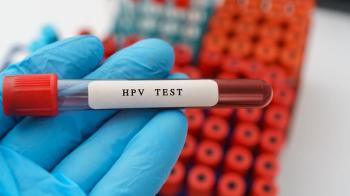
A new study shows that directly mailing human papillomavirus self-sampling kits improves screening adherence and offers superior cost-effectiveness.
Review some of the top stories from the Contemporary OB/GYN website over the past week and catch up on anything you may have missed.

A study found that recommended treatment significantly increases survival rates in women aged 65 years and older with early-stage cervical cancer.

New research reveals rising non-adherence to cervical cancer screening and declining HPV vaccine awareness since the pandemic.

New research suggests women with a history of cervical cancer face elevated anal cancer risk, highlighting the need for expanded screening guidelines.
Review some of the top stories from the Contemporary OB/GYN website over the past week and catch up on anything you may have missed.

A study found women with Medicaid insurance are more than twice as likely to experience delays in starting cervical cancer treatment.
Advertisement
Advertisement
Trending on Contemporary OB/GYN
1
Before Pregnancy Begins: Why the Timing of Carrier Screening Matters
2
Executive order directs NIH to create women's health division
3
FDA approves first generic estradiol/levonorgestrel weekly patch
4
What to expect at The Menopause Society's 2026 Annual Meeting
5