

Long-acting reversible contraception (LARC) use among sexually active female adolescents in Rochester, New York, rose from about 4% before a local community intervention to roughly 24% after the initiative.
Long-acting reversible contraception (LARC) use among sexually active female adolescents in Rochester, New York, rose from about 4% before a local community intervention to roughly 24% after the initiative.

Adolescent and young adult women with endometriosis are twice as likely to experience dyspareunia as those without endometriosis, according to a study in the Journal of Adolescent Health.
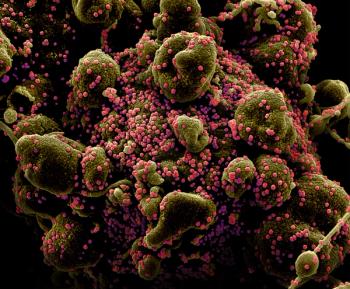
Sexual transmission of COVID-19 is unlikely, according to a new international study published in Fertility & Sterility.

The National Institutes of Health (NIH) is hosting a virtual workshop, Pregnancy and Maternal Conditions that Increase Risk of Morbidity and Mortality, to discuss the clinical causes of maternal morbidity and mortality and to develop a research agenda targeted at its clinical causes.

New research by Finnish investigators shows a significant link between maternal hypertension and mental health disorders in children.

Air pollution exposure during pregnancy may result in physical growth delays after birth, according to a new study by the Barcelona Institute for Global Health.

A new study suggests that polycystic ovary syndrome (PCOS) may be linked to the epidermal growth factor receptor (EGFR) and the Hippo pathways.


The COVID-19 pandemic continues to spread, exposing significant healthcare disparities within America’s healthcare system.

A new study suggests that certain sexually trasmitted infections, such as herpes simplex virus 2, may have a role in the development of certain types of ovarian cancer.

The National Institutes of Health has released a comprehensive set of guidelines for the treatment of COVID-19, which includes recommendations for the care of pregnant women.

Contemporary OB/GYN Senior Editor Angie DeRosa interviews Dr. Laura Riley, MD, a renowned obstetrician who specializes in obstetric infectious disease. Dr. Riley weighs in on COVID-19.

Endometriotic patients who were underweight before conception had a significantly higher rate of preterm birth (PTB) than underweight women without endometriosis, according to new research.

This special article series features the perspective of patients who are pregnant during the COVID-19 pandemic and steps they are taking to ensure their safety and the safety of their babies. This is the first story in the series.

A recent study assessed the multifactorial variables associated with poorer quality of sleep in women with endometriosis.

A new study in Obstetrics & Gynecology found postpartum contraception causes a significant amount of psychosocial stress among women with unintended pregnancies .

A review published in The Journal of Maternal-Fetal & Neonatal Medicine illustrates key strategies to implement in obstetric units to streamline care and reduce infection.

Physical training can preserve and even significantly bolster bone mass in the hip and femoral neck of individuals under caloric restriction, according to new research.

New research indicates that a significant number of romantic male partners hold misconceptions regarding the safety of a post-placental intrauterine device (IUD) in breastfeeding mothers.

The American Urogynecologic Society (AUGS) has issued guidelines on cystoscopy at the time of prolapse repair.

Across different drugs and clinical settings, use of PARPi has resulted in a prolonged period without cancer recurrence.

Results of a small study show that Kangaroo Care may positively affect infant neurophysiological development, particularly in the left front area of the brain.

COVID-19 presents a significant threat to our communities, our patients, and our families. As the pandemic continues, more will be learned about how this virus behaves and what we can do to keep ourselves and our patients safe.

Reviewing a patient’s intake of opioids after cesarean may help optimize pain management post-discharge, according to results of a new study.

Can technology help provide answers to a complex condition? This guide demonstrates how to use ultrasound as a first-line diagnostic tool.
These recommendations, based on the observations of a patient, is a Top 8 list of ways to optimize an outpatient visit for reproductive health care for women with spinal cord injury or disease.

This case study illustrates how to navigate the complex issues ob/gyns may encounter when counseling patients with a cognitive impairment.
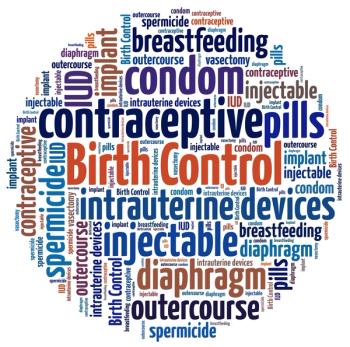
After Medicaid expansion under the Affordable Care Act (ACA), use of insurance for visits to safety net clinics specifically for contraception increased in all states, according to a recent study.

Improvements in contraceptive use among adolescent females have contributed significantly to a decline in pregnancy rates in Britain and the United States, according to a multidecade comparison of the two regions.