
Editorial Board member Christian Pettker, MD, wants to know whether Contemporary OB/GYN's readers are persuaded by the existing data about gum-chewing and prevention of ileus.
Editorial Board member Christian Pettker, MD, wants to know whether Contemporary OB/GYN's readers are persuaded by the existing data about gum-chewing and prevention of ileus.

Maternal and fetal outcomes complicated by SLE require that patient, rheumatologist, and ob/gyn work as a team.

Responsibility, anxiety, and expectations converge for an on-duty resident.

Patient communication and preoperative consent are the main issues in this case.

Physicians and pregnant patients with OUD may have a communication disconnect when it comes to postpartum contraception counseling.

Most physicians consider the practice safe for adolescents, but a recent survey indicates there is still a training and education gap that must be filled.

As more states turn to punitive policies to discourage OUD among pregnant women, Dr. Lockwood and Dr. Wolfson examine what the ob/gyn's role in the debate should be.

Do you know how to differentiate precancerous from cancerous vulvar lesions?

New research disagrees with current beliefs on how endometriosis impacts ART and miscarriage risk.

A new study helps to characterize the relation between ovarian fixation and SST on TVS and specific endometriosis types and locations.

Findings suggest 3D mammography may have advantages over 2D mammography in several areas when it comes to cancer diagnosis in younger women.

A recent Cochrane Review examined eight randomized trials which compared COCs to placebo, NSAIDs, IUS, and the hormonal vaginal ring.
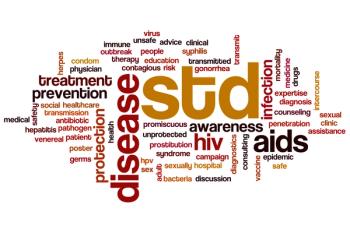
A recent review found that DMPA and OCPSs are effective against some STIs but may increase the risk of others.
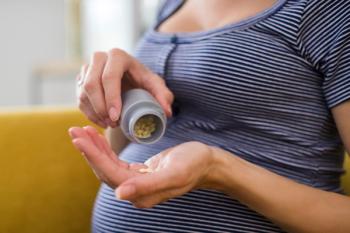
A recent study looked at whether maternal folic acid intake is associated with reduced rates of ASD in high-risk families.
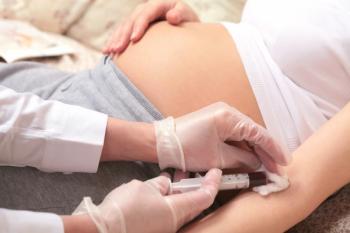
A case-control study using blood samples, rather than self-reports, provides new data on the link between maternal smoking during pregnancy and ADHD in offspring.

Dr. Carolyn Zelop sits down with Contemporary OB/GYN to discuss maternal cardiac arrest and what ob/gyns need to know about resuscitation.
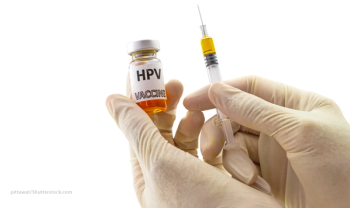
A recent study shows just how effective increasing vaccination rates could be towards eliminating cervical cancer.


An in-depth analysis examined screening effectiveness as well as further steps to reduce potential complications.

Referral for counseling is key for women at risk.
New research examines whether the virus is also linked with increased risk of cardiovascular disease (CVD).

A meta-analysis aimed to determine whether the lower exposure of COCs in obese women is enough to increase risk of unintended pregnancy.

Since pregnancy comes with common changes in nevi, it’s important for ob/gyns to be able to identify and treat melanomas.

Data from a post-hoc analysis suggest that a patient's risk for stroke is influenced by the age of migraine onset.
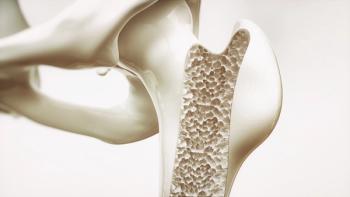
As an aging population turns to ob/gyns for wellness exams, more questions are being asked about bone health.

Ob/gyns have the mental make-up to thrive in medicine but success requires tenacity

As new screening options become available, ob/gyns must be able to counsel their pregnant patients appropriately.

The first in our new series discusses how to effectively balance contraception needs and seizure control in patients with epilepsy.

Pelvic pain related to endometriosis can be debilitating, but certain types of hormonal contraception show promise for improving the quality of life for these patients.
Results from a recent study reinforce the developmental origins theory.