

Review some of the top stories from the Contemporary OB/GYN website over the last week, and catch up on anything you may have missed.
Review some of the top stories from the Contemporary OB/GYN website over the last week, and catch up on anything you may have missed.

A new study finds that Black women living in economically disadvantaged neighborhoods face significantly higher breast cancer mortality rates.

A recent study found that a simple RNA-based blood test can identify the risk of hypertensive disorders in pregnancy months before symptoms appear.

A recent study highlights the effectiveness of drospirenone with estetrol in significantly reducing physical and emotional menstrual symptoms, especially among new hormonal contraceptive users.

Two-thirds of US teen girls live in states with abortion bans, gestational limits, or parental involvement laws, limiting access to care.

A large-scale study uncovers significantly higher uterine fibroid diagnosis rates among Black, Hispanic, and Asian women compared to White women, with notable differences across Asian subgroups.

A new study reveals that emergency department nurses in abortion-ban states are not receiving critical guidance from hospital leadership, leading to confusion, moral distress, and compromised patient care.

New research suggests pregnant women are less likely to develop long COVID compared to nonpregnant women, offering insights for future treatment strategies.

A nationwide study in the Netherlands finds first-trimester ultrasound scans highly effective at detecting major congenital anomalies in low-risk pregnancies, offering earlier diagnostic insights.

Discover how fezolinetant (VEOZAH; Astellas Pharma) is helping women manage moderate to severe vasomotor symptoms of menopause with rapid and effective relief.

Women with prior pre-eclampsia develop cardiovascular (CV) risk factors nearly a decade earlier, prompting calls for earlier and regular CV screening.
A global study uncovers the widespread stigma, emotional toll, and workplace challenges women face during menopause, highlighting the urgent need for awareness, support, and personalized care.

Primary care interventions, such as education and support, effectively promote breastfeeding up to 6 months, improving rates of any and exclusive breastfeeding, according to the USPSTF.

New research reveals that twin fetuses have reduced fat and muscle mass compared to singletons as early as 15 weeks of gestation, offering fresh insight for prenatal care.

Discover key strategies OB-GYNs can use to protect pregnant women from severe COVID-19 risks and ensure healthier maternal outcomes.
New research reveals that both COVID-19 infection and broader pandemic-related stressors significantly impact pregnancy outcomes, including increased rates of preterm birth, low birth weight, and neonatal intensive care unit admissions.

Small dietary changes such as switching to whole grains and choosing healthier drinks can support fetal brain development and set the stage for lifelong health, according to Elinor L. Sullivan, PhD, and Elizabeth K. Wood, PhD.

Take a quick look at everything you may have missed during Q1 of 2025, including the latest FDA approvals, top stories, and exclusive interviews.

New research from Elinor L. Sullivan, PhD, and Elizabeth K. Wood, PhD, suggests that a mother's diet in the third trimester, particularly its glycemic index, plays a key role in infant mental health at 6 months, highlighting the importance of prenatal nutrition.
A new study from Elinor L. Sullivan, PhD, and Elizabeth K. Wood, PhD, highlights how the glycemic quality of a mother’s diet, particularly in the third trimester, may influence an infant’s risk for future mental health concerns.

Stephanie Pearson, MD, FACOG, shares her journey working in obstetrics and gynecology; plus, how one event changed her entire life.

Pregnancy may lower Long COVID risk, with researchers linking immune changes to reduced symptoms, though some groups remain vulnerable.

A new study highlights the benefits of doula care, showing increased vaginal birth after cesarean rates, reduced preterm births, and improved postpartum care among diverse patient populations.

A new study reveals that consuming high-glycemic foods during the third trimester of pregnancy may impact infant temperament and emotional health.

Experts release first clinical guidance on polygenic risk scores for breast cancer, outlining integration into screening and prevention strategies.
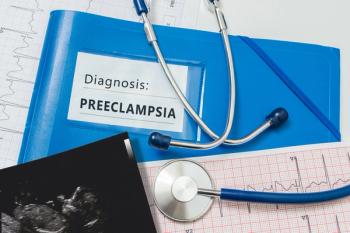
A new study reported how a soluble fms-like tyrosine kinase-1 to placental growth factor ratio can help predict preeclampsia progression, aiding in risk assessment and optimizing patient care.

A recent study highlights the heightened risk of perinatal mortality in pregnancies affected by type 2 diabetes, emphasizing the need for improved prenatal care and risk management.

Giovanni Traverso, PhD, reveals the benefits of an innovative small-needle contraceptive implant that enhances accessibility, minimizes discomfort, and offers a versatile platform for long-acting drug delivery.

A new study from Intermountain Health reveals that while disparities in heart disease outcomes between men and women are shrinking, women still face unique risks and challenges in diagnosis and treatment.

Check out the top conferences happening in the second quarter of 2025.