

A new study reveals that the severity and triggers of menstrual symptoms vary significantly between active women and those with no regular exercise routine.
A new study reveals that the severity and triggers of menstrual symptoms vary significantly between active women and those with no regular exercise routine.

A new study reveals that virtual pelvic floor therapy is just as effective as in-person treatment for postpartum women with stress urinary incontinence.

A new study suggests long-term use of estrogen-based hormone therapy may offer cardiovascular benefits for postmenopausal women.

Review some of the top stories from the Contemporary OB/GYN website over the last week, and catch up on anything you may have missed.

A new survey of over 1000 US women highlights widespread misconceptions about perimenopause, hormone therapy, and the importance of lifestyle changes during the menopause transition.

New research reveals that maintaining healthy blood iron levels may improve cognitive performance and reduce brain fog in women during the menopausal transition.

A new study reveals the pandemic significantly worsened maternal death rates across all racial groups.

The BRITE-MOM study at UCSF uses wearable ECGs to detect arrhythmias in pregnant women, aiming to improve early diagnosis and maternal cardiac outcomes.

A large cohort study shows that buprenorphine treatment during pregnancy significantly lowers the risk of preterm birth, severe maternal morbidity, and neonatal complications in women with opioid use disorder.

New research links combined oral contraceptives to changes in the gut microbiome that may contribute to mood disorders.

New guidelines on GSM recommends symptom-based diagnosis, shared decision-making, and local estrogen as first-line therapy to improve quality of life.

A new study found that prolonged time between waking and eating in pregnancy is associated with increased calorie consumption and disrupted sleep patterns.

A new study shows the Stanford Obstetric Recovery Checklist is a valid, reliable, and responsive tool for assessing outpatient postpartum recovery at multiple stages.

Limiting the number of fresh donor oocytes fertilized can reduce excess embryo creation while maintaining high live birth rates.

A new survey highlights major gaps in fertility knowledge, emphasizing the importance of anti-müllerian hormone testing, insurance coverage awareness, and early proactive care.
Review some of the top stories from the Contemporary OB/GYN website over the last week, and catch up on anything you may have missed.

Despite abortion bans in several states, a new study showed no significant shift in where OBGYNs choose to practice.

A nearly 2-fold increase in women veterans’ health literature has been reported since the previous review in 2017.

Leeya Pinder, MD, MPH, highlights a national conference to spotlight the role of human papillomavirus in cancer, emphasizing vaccination, screening innovations, and collaborative efforts to eliminate cervical cancer.

The potential shutdown of the 30-year Women’s Health Initiative threatens critical research on aging, disease prevention, and postmenopausal women’s health.

A UK study links maternal anemia in early pregnancy with increased congenital heart disease risk in offspring.

New research reveals a significant link between urinary incontinence and increased cardiovascular disease risk, even without reduced physical activity.

A new University of Sydney study reveals a strong connection between poor oral health and higher rates of migraines, body pain, and abdominal pain in women.

A new study reveals a surge in firearm suicides among women, many with no prior mental health history.

A UK survey reveals growing recognition and interest in obesity medications such as semaglutide and tirzepatide, with women showing significantly higher awareness and understanding.

A new study reveals that while patient acceptance of artificial intelligence in breast cancer screening is growing, trust varies based on personal medical history and demographics.
Find out the top 5 latest updates and headlines in fertility research in honor of National Infertility Awareness Week (April 20-26, 2025).

A new study found that older women experiencing persistent or changing social isolation are at higher risk of unhealthy eating habits.
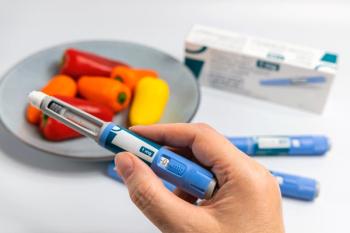
A new survey highlights gender differences in knowledge and attitudes toward GLP-1/GIP receptor agonists.
Review some of the top stories from the Contemporary OB/GYN website over the last week, and catch up on anything you may have missed.