

Review some of the top stories from the Contemporary OB/GYN website over the last week, and catch up on anything you may have missed.
Review some of the top stories from the Contemporary OB/GYN website over the last week, and catch up on anything you may have missed.

Despite modest increases in life expectancy, the United States is set to fall behind globally in health-adjusted life expectancy because of rising obesity rates and other health risks, according to a comprehensive forecast.

A recent study introduces the COronary Risk Score in WOmen, improving the prediction of major adverse coronary events in women and addressing gender gaps in cardiovascular research.

Pregnant women infected with avian influenza face a 90% maternal and 86% infant mortality rate, underscoring the urgent need for pandemic preparedness and protection strategies.

A new study highlights a significant association between spontaneous miscarriage and increased risks of anxiety and depression, especially among women with low social support.

The FDA has added a boxed warning for fezolinetant (VEOZAH; Astellas), highlighting the rare occurrence of serious liver injury in patients taking the menopause treatment.

A quality improvement project highlights the benefits of starting human papillomavirus vaccination at age 9 years to increase uptake and reduce disparities in cancer prevention across pediatric populations.

A recent study reveals a significant association between COVID-19 infection and abnormal uterine bleeding, emphasizing the need for better understanding of post-viral impacts on menstrual health.

Learn about updated cervical cancer screening recommendations, their benefits, and how they address health disparities to improve outcomes for all women.

A CDC report highlights the complex patterns and key risk factors of intimate partner violence-related homicides among Hispanic and Latino individuals, urging comprehensive prevention efforts.

A recent analysis highlights the heightened risk of adverse pregnancy outcomes, including preterm delivery and cesarean sections, among women with uterine fibroids.

A new study underscores the critical need for gynecologists and mental health professionals to collaborate in managing anxiety, depression, and sexual dysfunction in women with endometriosis, driven by chronic pain and related comorbidities.

A recent review established guidelines for prenatal diagnosis and care of vasa previa, outlining its definition, screening and diagnosis, management, and timing of delivery in asymptomatic patients.

In a recent study, an inverse relationship was discovered between anti-Müllerian hormone levels and early menopause, highlighting the need to develop interventions for fertility preservation based on genetics.
Data released by the Centers for Disease Control and Prevention has indicated reduced abortion rates across multiple subgroups in the United States.

In a recent study, endometriosis-associated pain was reduced among patients taking elagolix, with bone mineral density mitigated using add-back therapy.

In a recent study, the prevalence of gynecological cancer trials was reduced in states with high economic vulnerability and minoritized populations.
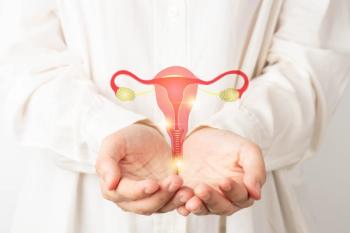
A recent study reveals that reduced endometrial thickness significantly increases the risk of placenta accreta spectrum disorders in women without prior cesarean deliveries using assisted reproductive technology.

A new study highlights how depression may drive dysmenorrhea through shared genetic pathways, emphasizing the need for mental health screening and holistic care for women.

A recent study found a sharp rise in Medicare claims for multiplex urinary tract infection testing from 2016 to 2023, underscoring a significant financial impact and the need for further research into its clinical benefits.
A recent study highlights the reduced cost-effectiveness of expanding human papillomavirus vaccination to adults aged 27 to 45 years compared to younger groups, though targeted strategies for high-risk subgroups indicate benefits.

Women experiencing severe maternal morbidity during their first pregnancy face significantly lower odds of subsequent births, emphasizing the need for personalized reproductive counseling and ongoing monitoring.

Discover how innovative self-collection methods and the BD Onclarity HPV assay are breaking barriers in cervical cancer screening, empowering underserved communities with accessible and accurate care.

A new study highlights the association of maternal soluble Fms-like tyrosine kinase 1 and endothelin 1 with preeclampsia severity, offering insights into the pathogenesis of early- and late-onset forms of the condition.

Jean Dubuisson, MD, PhD, head of the gynecological surgery unit at Geneva University Hospitals, discusses the first successful hysterectomy performed using the MIRA surgical system.

A recent study highlights the release of chemoattractants from human fetal membranes at term, driving leukocyte activation and migration, with implications for labor and postpartum recovery.
Review some of the top stories from the Contemporary OB/GYN website over the last week, and catch up on anything you may have missed.

A new study highlights the efficacy of couple-based reproductive genetic carrier screening in improving reproductive decisions and outcomes, emphasizing its growing availability and acceptance among diverse populations.

A new study found that fine particulate matter exposure during pregnancy significantly increases the risk of spontaneous preterm birth, emphasizing the need for mitigating environmental factors.

A study highlights the poor quality of online information about urinary tract infections and asymptomatic bacteriuria, raising concerns about inaccurate diagnoses, overtreatment, and antibiotic resistance.