

A cohort analysis suggests autism may be poorly diagnosed among expectant mothers—and linked to poor birth outcomes.
A cohort analysis suggests autism may be poorly diagnosed among expectant mothers—and linked to poor birth outcomes.
A recent study revealed that the Nurse-Family Partnership's infant and toddler home visits significantly decrease obesity and hypertension risks in mothers and female offspring, emphasizing the potential cost-saving impact on physical health outcomes.

A recent study revealed that patients with 3 or more COVID-19 vaccination doses exhibit a significant increase in cord anti-Spike antibody levels compared to those with 2 doses.

A recent study revealed that infants exposed to buprenorphine during the first trimester exhibit a significantly decreased risk of developing congenital malformations associated with opioid exposure compared to infants exposed to methadone.

The Biden-Harris administration, has released comprehensive guidance through Frequently Asked Questions to eliminate barriers to contraception, ensuring access to FDA-approved contraceptives at no cost, following President Biden's 2023 Executive Order.
A recent study found that in utero exposure to maternal COVID-19 vaccination poses no increased risk for neurodevelopmental impairment in infants up to 18 months of age, addressing concerns about the impact of vaccine exposure on unborn children.
New research has revealed that postmenopausal women with a history of gestational diabetes and adverse pregnancy outcomes face an increased risk of developing type 2 diabetes, emphasizing the need for preventive measures.
A recent study highlighted how isthmic contractions, commonly observed after second-trimester bladder voiding, can impact cervical length measurements during pregnancy, emphasizing the need for cervical assessments at least 20 minutes post-bladder voiding for accurate results.

A recent study highlighted the potential of fetoscopic laser ablation in improving perinatal outcomes for vasa previa, reducing risks associated with this condition affecting approximately 5 in 10,000 pregnancies.
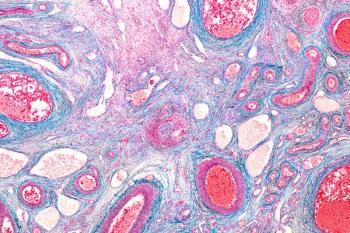
A recent study revealed that allogeneic hematopoietic stem cell transplantation does not lead to disease relapse in patients with acute leukemia undergoing ovarian tissue transplantation.

A recent study highlighted the potential of natural language processing and large language models in extracting social determinants of health from electronic health records.

Review some of the top stories from the Contemporary OB/GYN website over the last week, and catch up on anything you may have missed.

A recent exposed the relationship between financial strain, underutilization of health care, and comorbidities, shedding light on the heightened risks.

A comprehensive secondary analysis challenges common concerns by finding no association between the regular use of nicotine patches or e-cigarettes and adverse pregnancy outcomes among smokers seeking to quit.

A comprehensive review highlighted challenges and research gaps in human papillomavirus vaccination, emphasizing the importance of targeted interventions and effective delivery strategies.

A recent study found that watching health-related videos on social media significantly increases awareness about human papillomavirus (HPV) and the HPV vaccine, with data showing geographic variations and demographic influences on viewership and awareness levels.

A recent study using the Pregnancy Risk Assessment Monitoring System highlighted lower rates of breastfeeding initiation and duration among women with disabilities, emphasizing the need for targeted interventions to improve breastfeeding outcomes.

A recent study revealed that low-dose calcium supplementation is noninferior to high-dose supplementation in preventing preeclampsia, shedding light on considerations for maternal health and pregnancy strategies worldwide.

A recent study revealed negative impacts of practicing in a state with abortion care restrictions, leading to delayed care, worry over legal repercussions, and adverse mental health outcomes.

Anna Cabeca, DO, FACOG, discusses dehydroepiandrosterone and associated misunderstandings.
Explore the research on oxytocin's role beyond labor and bonding as Anna Cabeca, DO, FACOG, triple board certified ob-gyn, sheds light on its impact on longevity, sexual health, and overall well-being at the A4M conference in Las Vegas.

A recent study revealed that physician awareness of patients' desired level of decision-making significantly enhances satisfaction, highlighting the importance of tailored approaches for women with pelvic floor disorders seeking patient-centered care.

A recent study explored the impact of interventions for cardiometabolic factors in mitigating the influence of lower education levels on various adverse pregnancy outcomes, shedding light on mediators in maternal health.

A study in Sweden found that women with a history of pelvic inflammatory disease face an elevated risk of epithelial ovarian cancer.

A recent study revealed disparities in gynecologic oncology clinical trial enrollment, impacting the outcomes of underrepresented racial and ethnic groups.
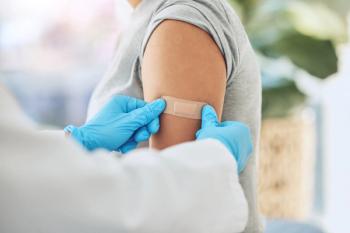
A recent study found that COVID-19 vaccination is not associated with an increase in incident postmenopausal bleeding diagnoses, providing reassurance to providers and patients concerned about bleeding caused by the vaccine.
Review some of the top stories from the Contemporary OB/GYN website over the last week, and catch up on anything you may have missed.
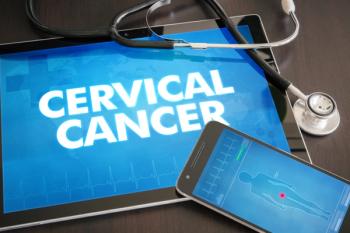
A recent study revealed a substantial rise in open abdominal hysterectomy following the Laparoscopic Approach to Cervical Cancer trial, impacting surgical approaches but not 30-day complications.

A recent study revealed that Black women, especially those facing extended travel distances for maternity care, are at a heightened risk of severe maternal morbidity, shedding light on needs for equitable maternal care policies in the United States.

A recent study revealed varied adoption rates of antenatal steroids for late preterm births across US regions, despite promising trial results.