

In a recent study, patients with chronic vulvar pain conditions had decreased pain-related anxiety and improved sexual functioning when experiencing vulvar pleasure.
In a recent study, patients with chronic vulvar pain conditions had decreased pain-related anxiety and improved sexual functioning when experiencing vulvar pleasure.
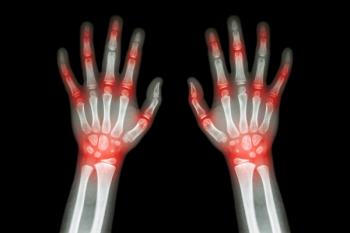
Commons forms of osteoarthritis, as well as prevention methods, were discussed at The Menopause Society 2023 annual conference.

The most recommended and non-recommended methods of nonhormone therapy for treatment of vasomotor symptoms were discussed at The Menopause Society 2023 Annual Conference.

Advancements in technology used to measure bone health in postmenopausal women were discussed at the Menopause Society 2023 Annual Meeting.

A recent study measuring sexual functioning in women with post-traumatic stress disorder was discussed at The Menopause Society 2023 Annual Meeting.

Genevieve Neal-Perry, MD, discusses how fezolinetant is effective for treating vasomotor symptoms.
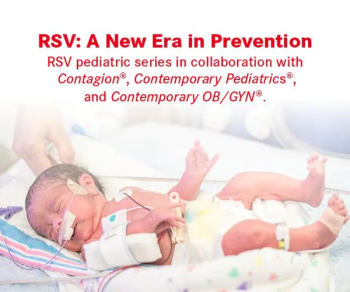
In collaboration with Contemporary Pediatrics, Contemporary OB/GYN, and Contagion, Tina Tan, MD, FAAP, FIDSA, FPIDS, discusses the benefits of having new tools to fight RSV in infants, potential vaccine hesitancy, and RSV trends currently being observed.

A nationwide recall has been issued for ibrexafungerp products after a potential cross contamination with a non-antibacterial ß-lactam drug substance was discovered.

In a recent study highlighted at the Menopause Society 2023 Annual Meeting, a correlation was found between the number of hot flashes experienced and the risk of Alzheimer’s disease among perimenopausal and postmenopausal women.

A correlation between brown adipose tissue activity and hot flashes was discussed at the Menopause Society 2023 Annual Conference.

In a recent study, increased use of cannabis to manage menopause symptoms was observed among midlife women.

In a recent study highlighted at The Menopause Society 2023 Annual Meeting, White women with a psychiatric condition were 40% more likely to receive a hormone therapy prescription than Black women.

At The Menopause Society 2023 Annual Meeting, tips on reducing weight during menopause will be discussed.

In a recent study, transgender women had reduced sperm quality compared to cisgender men, and transgender men used contraception at similar rates to cisgender women.
Ahead of the first fall and winter virus seasons in which vaccines are available for COVID-19, influenza, and respiratory syncytial virus (RSV), the Centers for Disease Control and Prevention is recommending Pfizer’s maternal vaccine to protect newborns from severe RSV illness.
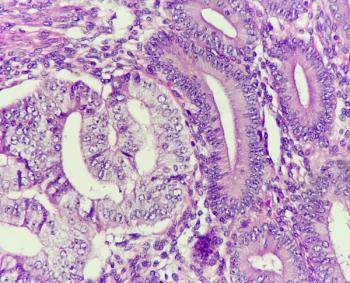
In a recent study, ages at menarche and menopause, as well as pregnancy history, impacted the risk of endometrial cancer.

In a recent study, Black patients experienced more delays in receiving endometrial cancer care than White patients.

The presence of NAFLD increased from 25.3% to 29.4% among patients receiving oral menopause hormone therapy.
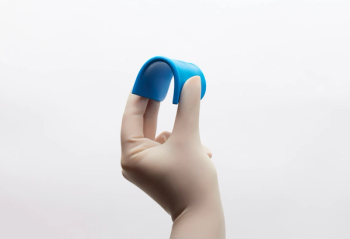
Catherine Buerchner, MD, co-founder of Birch Concepts, LLC, discusses how the Soviflex vaginal retractor can help clinicians conduct vaginal repair.

In a recent study, women with a history of dysmenorrhea were at a significantly increased risk of endometriosis.

Review some of the top stories from the Contemporary OB/GYN website over the last week, and catch up on anything you may have missed.

In a recent study, women with premenstrual disorders were more likely to experience early menopause and vasomotor symptoms.

Francheska M. Merced-Nieves, PhD, Assistant professor, Departments of Pediatrics and the Institute for Exposomic Research of Environmental Medicine & Public Health, Icahn School of Medicine at Mount Sinai, explains the associations prenatal exposure to a metal mixture and the potential negative effects for the infant.

In a recent study, ovarian tissue cryopreservation was indicated as viable for preventing premature ovarian insufficiency in girls and young women receiving gonadotoxic therapies.

In a recent study, the 2013 WHO criteria for diagnosing gestational diabetes mellitus had a low sensitivity when used in individuals in low-risk early pregnancy.

In a recent review, a lack of education on female sexual medicine was found across medical institutions.

Recent research indicated living in an area with high particulate matter pollution levels of 2.5 microns in diameter or smaller is associated with increased breast cancer incidence.

In a recent study, increased health risks were seen in women who received premenopausal bilateral oophorectomy when under the age of 46 years.

The federal agency says infants of a certain age should receive this monoclonal antibody to protect against the virus.
Review some of the top stories from the Contemporary OB/GYN website over the last week, and catch up on anything you may have missed.