

The agency is considering dispensing mail-back envelopes with outpatient opioid analgesic prescriptions.
The agency is considering dispensing mail-back envelopes with outpatient opioid analgesic prescriptions.

A retrospective cohort study published in JAMA found that pregnant and postpartum women with SARS-CoV-2 infection were at a significantly increased risk of maternal mortality or serious morbidity from common obstetric complications.
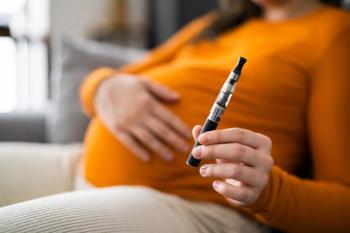
Devices could help patients reduce or stop using tobacco, researchers say.

What's coming to Contemporary OB/GYN® this week.

An integrated model for prenatal care that incorporates both virtual and in-person visits has been well-received by patients and health care providers alike, according to a review in the Journal of Midwifery & Women’s Health.

Prenatal attachment levels were enhanced among pregnant women who were pleased with their appearance and body, displayed a positive attitude about their physical fitness, and engaged in practices that bolstered their health and physical capacity, according to a study in the Journal of Obstetric, Gynecologic & Neonatal Nursing.

Women with surgically confirmed endometriosis were significantly more likely to report lower urinary tract symptoms (LUTSs) than those without, according to a study analysis in the journal Fertility and Sterility.

There is no association between endometriosis and preterm birth, according to a French study in JAMA Network Open.

‘First line of defense’ has community trust to ‘keep neighbors healthy.’

A look back at this week's news.
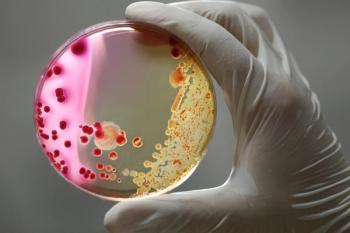
The VMB may be a biological barrier to pathogenic microorganisms. There is also an increased risk of acquiring various vaginal pathogens when the dominant lactobacilli community is disrupted.
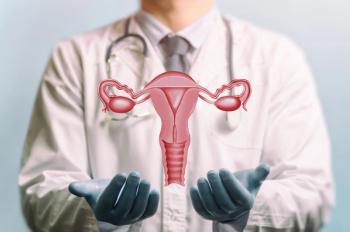
Women with bacterial vaginosis (BV) and/or vulvovaginal candidiasis (VVC) were significantly less likely to use intimate soap and moist wipes after urination compared to healthy women without any vulvovaginal symptoms, according to a cross-sectional study published in the journal Revista Brasileira de Ginecologia e Obstetricia.

A recent investigation examined who was leaving health care.

Bob White, COO of The Doctors Company, says most lawsuits occur due to patient frustration with not getting answers to their questions regarding an unexpected outcome.

Violence against women and resulting traumatic brain injuries increased during the COVID-19 pandemic.
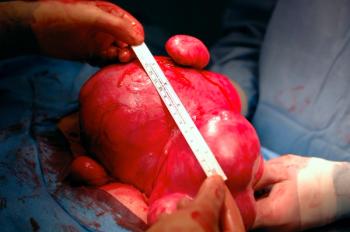
Enhanced recovery after surgery (ERAS) programs could help reduce hospitalization time, costs, and opioid use.

Oklahoma Governor Kevin Stitt signed a bill into law, making performing an abortion a felony, punishable up to 10 years in prison.

COVID-19 pandemic findings reported by Kaiser Permanente.

An 18-day-old girl whose right cheek had become increasingly red and warm over 24 hours was directly admitted to an inpatient unit. She had firmness and pain to the affected area, fussiness, increased sleeping, and poor feeding, preferring the bottle to breastfeeding. What's the diagnosis?

A look back at this week's news.
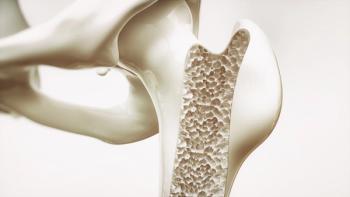
New research from the University of California Los Angeles (UCLA) suggests assessments of anti-Mullerian hormone levels could help clinicians predict or detect bone loss among premenopausal women.

Some research shows the previous guideline may have led to the under-treatment of patients with chronic pain.

Among minimally invasive treatments for uterine fibroids, uterine artery embolization (UAE) produces greater fibroid shrinkage and more complications than MRI-guided HIFU (MRIgHIFU), according to a study in BMC Women’s Health.
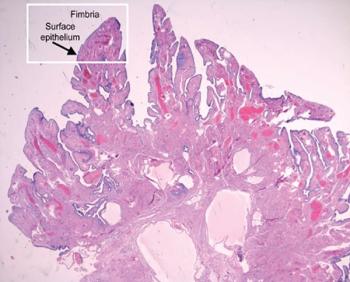
Family history assessment, genetic screening are key to prevention.

Patients’ ability to choose can affect your practice.

Top takeaways from ISSWSH 2022

Patients often don’t know where to find information on their benefits or don’t have time to do so.

Government help needed ‘to ensure the health of the American public.’

The FDA issued an updated letter to health care providers regarding reprocessed urological endoscopes manufactured by Karl Storz.
In this consult series, experts from SMFM discuss the evaluation and management of soft ultrasound markers for aneuploidy.