
March is Women’s History Month the perfect time to recognize the contributions women have made to medicine. Today, we recognize 5 women throughout history that propelled the fields of obstetrics and gynecology.
March is Women’s History Month the perfect time to recognize the contributions women have made to medicine. Today, we recognize 5 women throughout history that propelled the fields of obstetrics and gynecology.

The study shows mental health conditions are also associated with smoking.

An analysis of data from more than 100k pregnant women suggests a history of spontaneous abortion was associated with an 18% increase in risk of subsequent gestational diabetes, with a history of multiple spontaneous abortions associated with an even greater risk.

How important are the experts?

View the week's news at a glance.

Take a look beyond the cover of Contemporary OB/GYN®'s March issue.

Child protective services (CPS) is supposed to protect against maltreatment for adolescents, but do they help protect against negative outcomes linked to sexual health?

Take a look back at this week's top stories.
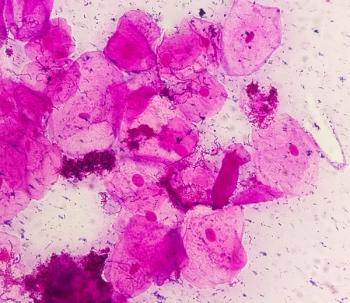
The incidences of vulvovaginal candidiasis (VVC) and bacterial vaginosis (BV) are especially high in young women, and women with a limited education and low-family income, according to a nationwide cohort study in the International Journal of Infectious Diseases.

A cohort study examines the potential obstetrical outcomes associated with fertility-assisted pregnancies.

Some of the essential characteristics of being a good communicator are to be concise, specific, pleasant, approachable, and most of all, to be a good listener.

How many novel coronavirus (COVID-19) cases were announced today?


Take a look back at our most popular news from February 2022.

Experts take a look at 2 cases to understand abnormal uterine bleeding in adolescents and provide a useful screening tool.
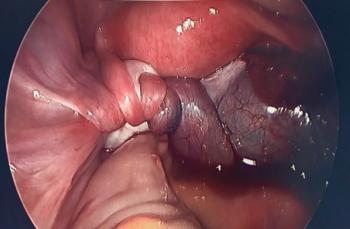
Torsion of adnexal structures can occur in pregnant women, women post-hysterectomy, and postmenopausal women.

A report provides information on how gender-affirming care such as the use of puberty blockers can positively impact the mental health of transgender and nonbinary teenagers and young adults.

Looking for a career in urogynecology? Check out the American Urogynecologic Society's career center for recent job listings.
In this episode of Pap Talk, Contemporary OB/GYN® Associate Editor Lindsey Carr sat down with Jessica Shim, MD, an attending at in the Division of Gynecology, Department of Surgery, Boston Children’s Hospital; Harvard Medical School Boston, Massachusetts, to discuss Myfembree (relugolix, estradiol, and norethindrone acetate tablets; Myovant Sciences, Pfizer) and its possible approval in May 2022.
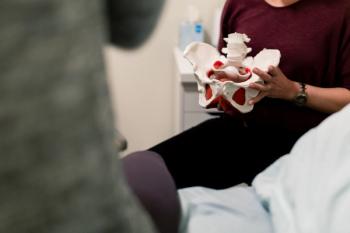
The American Urogynecologic Society (AUGS) published an executive summary on the pelvic floor and associated musculoskeletal system assessment.
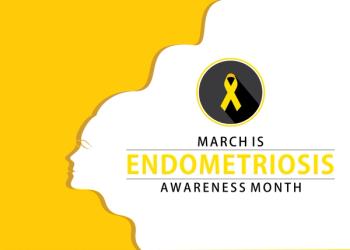
National awareness months and days span a variety of topics, from celebrated foods (think National Ice Cream Day, National Bagel Day, National Pizza Day) to businesses (free Slurpee at 7-Eleven) to our terrain: health issues. March alone is a national health awareness month for over 10 conditions, one of which is endometriosis.

Among other things, March is Women’s History Month, giving us an opportunity to acknowledge and appreciate the contributions women have made to society at large while enhancing their own lives.

More than half of postmenopausal women experience female pattern hair loss, according to a cross-sectional study in the journal Menopause.

A survey in the American Journal of Obstetrics & Gynecology revealed that patients with chronic gynecologic pain were twice as likely to use social media to understand or manage their condition than those without pain, at 37.8% vs 19.7% respectively.

Check out what events and programs the American Urogynecologic Society is hosting over the next several months.
What's coming to Contemporary OB/GYN® this week.

A cohort study in JAMA Pediatrics indicates that policies that increase access to immediate postpartum long-acting reversible contraception (LARC) improve birth outcomes.

Nearly $19 billion in total aid has been distributed to providers since November 2021.

Polycystic ovary syndrome (PCOS) and type 2 diabetes have some markers that suggest a connection, with PCOS patients exhibiting certain symptoms at greater risk of developing type 2 diabetes later. A systematic review examines the prevalence of the 2 conditions occurring in adolescent girls.
In this episode of Pap Talk, Gloria Bachmann, MD, MSc, breaks down what it means to be a health care provider for incarcerated individuals, and explores the specific challenges women and their providers face during and after incarceration. Joined by sexual health expert Michael Krychman, MD, Bachmann also discusses trauma-informed care and how providers can get informed.