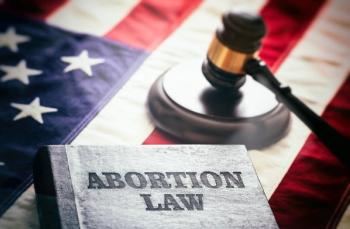
SMFM states abortion care is core to MFM practice and urges institutional action to protect high-risk patient access.
One in 3 FQHCs lack on-site prenatal care, with gaps concentrated in maternity deserts, a national study finds.
About two-thirds of federally qualified health centers (FQHCs) offer on-site prenatal care, while 1 in 3 do not, according to a national study from researchers at the Harvard Pilgrim Health Care Institute and the Boston University School of Public Health. The study, which was published in Annals of Internal Medicine, is the first comprehensive look at prenatal care services offered by these safety-net providers nationally.
FQHCs, also known as community health centers, serve more than 32 million low-income patients nationwide and are required to be located in underserved communities, offering comprehensive primary care regardless of ability to pay, according to the researchers.
Together, the 1326 centers included in the study serve approximately 8 million females of reproductive age. FQHCs may provide prenatal care on-site or refer patients to external providers, yet until now, national data on these patterns had been limited.
Low-income pregnant and postpartum patients face growing access barriers, driven in part by maternity ward closures and a worsening provider shortage over the past decade.
“Despite the potential for FQHCs to address maternal health access barriers, we actually know little about the extent to which they directly provide maternal health services,” said Megan Cole Brahim, PhD, MPH, lead author and Harvard Medical School Associate Professor of Population Medicine at the Harvard Pilgrim Health Care Institute. “Understanding where and for whom these services are available is essential to improving maternal health equity.”
Researchers analyzed data from 1326 FQHCs in operation as of 2024, representing 100% of centers nationwide, excluding US territories and centers serving fewer than 100 adult female patients. The study assessed the availability of on-site prenatal care, the characteristics of centers offering it, and geographic variation in availability, including whether FQHCs were located in maternity desert regions, according to the Harvard Pilgrim Health Care Institute.
The study found that FQHCs serving higher proportions of Black and Hispanic patients, Medicaid populations, those with limited English proficiency, and urban communities were more likely to offer on-site prenatal care. This pattern suggests that centers are providing maternal health services to the populations that tend to face the greatest access barriers, though significant gaps remain.
Geographic disparities were also identified. Maternity deserts frequently lacked FQHCs altogether or contained centers that did not provide on-site prenatal care, compounding access challenges in already underserved regions.
“With 1 in 3 FQHCs lacking prenatal services, expanding on-site prenatal care at FQHCs — and addressing the workforce and financial barriers that currently hinder this expansion — must be a priority,” said Cole Brahim. “At the same time, ensuring that patients can access timely, coordinated external referrals when on-site prenatal care is unavailable is critical.”
Cole Brahim pointed to Health Resources and Services Administration New Access Point FQHC capacity-building grants as a potential mechanism for strategically growing health centers in maternity care deserts. The findings underscore the need for targeted investment in community health centers as a proven safety-net pathway toward equitable, timely prenatal care.
Reference:
Cole MB, Auty S, Zi Jin G, Safon C, Gordon SH. Provision of Onsite Prenatal Care Services at U.S. Federally Qualified Health Centers. Annals of IM. Published July 14, 2026. doi:10.7326/ANNALS-26-00381