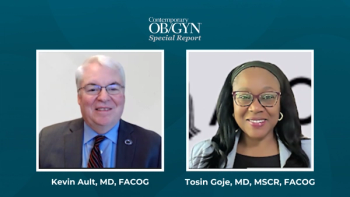
Experts address COVID-19 vaccine myths, safety evidence, and how to frame the benefits of vaccination in pregnancy.
ACOG continues to support maternal immunization against COVID-19, flu, and RSV amid growing public questions about vaccine safety during pregnancy.
The American College of Obstetricians and Gynecologists (ACOG) released updated clinical guidance in August 2025, reaffirming its strong recommendation for vaccination against COVID-19, influenza, and respiratory syncytial virus (RSV) during pregnancy. The updated guidance—issued as 3 separate practice advisories—lays out the current body of scientific evidence supporting the safety and benefits of maternal immunization, particularly in preventing severe respiratory illness and adverse pregnancy outcomes.
ACOG emphasized that these recommendations are consistent with its prior guidance and reflect a large and growing body of research demonstrating both maternal and neonatal benefit. We highlight these guidelines as questions about vaccine safety during pregnancy have emerged amid changes at the federal level involving the US Department of Health and Human Services (HHS), the Centers for Disease Control and Prevention (CDC), and the FDA.
The following FAQs are intended to remind clinicians of ACOG’s evidence-based recommendations and support consistent counseling and clinical practice.
1. Which vaccines does ACOG recommend during pregnancy?
ACOG recommends maternal vaccination against COVID-19, influenza, and RSV during pregnancy, based on evidence demonstrating safety and benefit for both pregnant patients and their infants.
“It is well documented that respiratory conditions can cause poor outcomes during pregnancy, with pregnant women facing both severe illness and threats to the health of their pregnancy. Thanks to vaccines, severe outcomes from respiratory infections are largely preventable.”
—Steven J. Fleischman, MD, MBA, FACOG
2. Are ACOG’s updated recommendations new or consistent with prior guidance?
The updated recommendations are consistent with ACOG’s previous guidance and reflect an expanding body of research and real-world data supporting maternal immunization.
“ACOG’s updated respiratory guidance documents repeat what we have long known: that vaccines continue to be the best tool available for pregnant patients to protect themselves and their infants from these viruses.”
—Steven J. Fleischman, MD, MBA, FACOG
3. When does ACOG recommend COVID-19 vaccination during pregnancy?
ACOG recommends that patients receive an updated COVID-19 vaccine or booster at any point during pregnancy, when planning pregnancy, in the postpartum period, or while lactating.
4. What benefits does COVID-19 vaccination provide during pregnancy?
COVID-19 vaccination during pregnancy reduces maternal morbidity, pregnancy complications such as preterm birth and stillbirth, and emergency department or urgent care encounters, according to ACOG guidance. Vaccination also provides passive immunity to the infant after birth.
“Looking closely at the full body of data clearly shows that the COVID-19 vaccines are not only completely safe for use during pregnancy but also protective both during pregnancy and after the infant is born.”
—Mark Turrentine, MD, FACOG
5. Is COVID-19 vaccination during pregnancy associated with adverse outcomes?
No. Data consistently show that COVID-19 vaccination is not associated with negative pregnancy outcomes, and side effects are generally localized, minor, and not more common in pregnant individuals.
6. What are ACOG’s recommendations for influenza vaccination during pregnancy?
ACOG strongly recommends that all individuals who are or will be pregnant during influenza season receive an inactivated or recombinant influenza vaccine during any trimester, as soon as the vaccine is available.
7. Are live-attenuated intranasal influenza vaccines recommended during pregnancy?
No. The live-attenuated intranasal influenza vaccine is not approved for use during pregnancy but may be used postpartum, including in lactating patients.
“All patients should know that the increased risks of influenza to pregnant women and their newborns are real, and that getting vaccinated before delivery can help them and their babies be protected.”
—Neil S. Silverman, MD, FACOG
8. What are ACOG’s recommendations regarding RSV vaccination during pregnancy?
ACOG recommends the bivalent RSV PreF vaccine during RSV season for patients between 32 0/7 and 36 6/7 weeks of gestation, provided they meet eligibility criteria outlined in the guidance.
9. What if a patient declines maternal RSV vaccination?
If a patient declines maternal RSV vaccination, ACOG advises that their infant should receive a monoclonal antibody, such as nirsevimab or clesrovimab, at birth.
“The RSV vaccine provides our pregnant patients with the ability to protect their infants against severe respiratory illness before they are even born. The RSV vaccine is a powerful tool that allows us to keep infants healthier and prevent hospitalizations and even has the potential to save lives.”
—Brenna Hughes, MD, FACOG
10. Can COVID-19, influenza, and RSV vaccines be given at the same time during pregnancy?
Yes. ACOG notes that all 3 maternal vaccines for respiratory conditions—COVID-19, influenza, and RSV—can be administered simultaneously.
“In the face of misinformation and vaccine hesitancy, a strong, evidence-based recommendation in support of vaccination from a trusted clinician can go a long way.”
—Sandra E. Brooks, MD, MBA, FACOG
Reference:
ACOG Releases Updated Maternal Immunization Guidance for COVID-19, Influenza, and RSV. American College of Obstetricians and Gynecologists. News release. Published August 22, 2025. Accessed February 3, 2026. https://www.acog.org/news/news-releases/2025/08/acog-releases-updated-maternal-immunization-guidance-covid-influenza-rsv