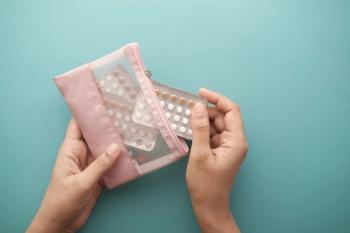
Patients with 3 or more adverse pregnancy outcomes had lower odds of postpartum contraceptive use in a PRAMS analysis of 222,412 individuals.
"The loss of... measles elimination status represents a significant public health setback," said ACOG President Camille A. Clare, MD.
For the first time in 26 years, and according to multiple national reports, the United States has lost its elimination status for measles, a loss that represents “a significant public health setback, indicative of the resurgence of highly preventable contagious diseases in the country,” according to Camille A. Clare, MD, MPH, CPE, FACOG, president of the American College of Obstetricians & Gynecologists (ACOG).1,2
According to data from the Centers for Disease Control and Prevention (CDC), as of November 12, 2026, the nation has reported 5412 confirmed measles cases in 2026. Of those, 5394 cases were reported by 47 jurisdictions, and 18 occurred among international visitors to the United States.3
The CDC has tracked 43 new outbreaks, defined as 3 or more related cases, so far this year. Outbreaks account for 96% of confirmed cases (5216 of 5412): 3831 from outbreaks that began in 2026 and 1385 from outbreaks that started in 2025.
For all of 2025, the CDC reported 2289 confirmed measles cases, 2263 of them from 45 jurisdictions and 26 among international visitors. That year included 48 outbreaks, with 90% of confirmed cases (2066 of 2289) linked to an outbreak. In 2024, by comparison, 16 outbreaks were reported, and 69% of cases (198 of 285) were outbreak-associated.
“Although more than 5000 cases may seem small compared with the overall population, it is more than double the number of cases that appeared in the United States last year. More than 900 of these cases are in children younger than 5 years old,” said Clare in a statement published by ACOG on November 16, 2026.
“The ongoing outbreak is causing an increase in measles cases among pregnant patients. It is also linked to some of the first cases of congenital measles, or an infant born with measles, in decades. We cannot overstate the preventable nature of these infections and deaths.”1
According to the Center for Infectious Disease Research and Policy (CIDRAP), the Pan American Health Organization (PAHO) determined the United States had interrupted endemic transmission of the virus in 2000.4
Maintaining elimination status is to keep pace with a “high and homogeneous vaccination coverage of 95% or higher, maintain sensitive surveillance systems, ensure strong laboratory capacity and guarantee a rapid response to outbreaks,” according to PAHO.5
The College recommends ob-gyns discuss vaccination with all nonpregnant patients without presumptive evidence of immunity. Nonpregnant patients without evidence of immunity should be offered at least one dose of the MMR vaccine, the medical society notes.6
For pregnant individuals without evidence of immunity, the MMR vaccine should be administered in the postpartum period, even while breastfeeding, ideally before discharge from the hospital. Additionally, MMR vaccination is safe during breastfeeding and has not been shown to have adverse effects in neonates.
Infection in pregnant persons is “associated with several adverse events, including increased risk of hospitalization, pneumonia, and death,” as well as significant risks to the fetus, such as miscarriage, stillbirth, low birth weight, and increased risk of preterm delivery.
“MMR vaccination before pregnancy offers the best protection. The measles vaccine is a live vaccine, so it cannot be given during pregnancy,” Clare said. “Women should wait 28 days after a dose before trying to become pregnant. Pregnant patients who are not immune and are exposed to measles should receive an infusion of immune globulin within six days.”
Children should receive their first MMR vaccine between 12 and 15 months of age, with a second to follow between ages 4 and 6 years, though those as young as 6 months can receive their first dose if they live in an outbreak area or will travel outside of the United States, Clare reminded colleagues.
References: