

News|Videos|November 13, 2026
WHI fallout: How hormone fears stalled testosterone therapy for women
Fact checked by: Benjamin P. Saylor
The WHI never studied testosterone, yet it chilled conversations about every hormone, with lasting consequences for women’s sexual health.
Advertisement
Episodes in this series
Bruce Dorr, MD, FACOG, URPS, IFMCP, describes the July 2002 release of the Women's Health Initiative (WHI) results as a defining moment in his career. He recalls his front office staff interrupting patient visits because callers were asking whether estrogen caused breast cancer, and knowing immediately that it would not go well. Although the WHI was not a testosterone trial, he says, testosterone became collateral damage, and the fallout changed clinicians' willingness to even have the conversation with patients.
Sharon J. Parish, MD, IF, NCMP, clarifies what the trial actually studied. The WHI evaluated oral estrogen with or without a progestin for prolongation of life and disease prevention rather than symptom relief. Participants entered without menopausal symptoms, anywhere from their 50s to early 70s, and outcomes were analyzed together across ages and comorbidities. A woman starting at 71 was analyzed the same way as a symptomatic woman in her early 50s.
Parish explains that small increases in events such as breast cancer, stroke, and heart attack were concerning enough that hormones came to be seen as harmful, even though benefits for bone were observed. Over the past 2 decades, however, reanalyses by age and risk factors, along with research on transdermal gels, patches, and vaginal rings, have prompted clinicians to look more carefully. Parish says menopausal hormone therapy is now clearly understood to help symptoms, whereas questions about disease prevention are still being navigated.
Asked whether the WHI was a step back for sexual medicine, Parish notes that vasomotor symptoms themselves undermine sexual health. Women deprived of systemic estrogen also faced vulvovaginal dryness and sexual pain, and vaginal estrogen products carried the same boxed warning. She welcomes the recent removal of that labeling, but she says the downstream effects on sexual health were substantial and also distracted attention from testosterone.
In the next episode, Parish walks through female testosterone physiology and the regulatory history of the transdermal products that sought approval for women.
Advertisement
Related to this article

Blood levels alone cannot confirm safe testosterone dosing. Asking about androgenic effects and allowing months for response are central to care.
A global consensus defines what the evidence supports for testosterone in women. Benefits for strength, mood, and cognition lack randomized data.
A testosterone patch improved sexual desire in trials but never won US approval. Normal female physiology defines what replacement should target.
As estrogen came to define menopause care, testosterone faded from view, and the oral combination clinicians relied on was never FDA approved.
Androgen therapy for women predates the headlines by decades. Early research showed promise for desire, but long-term safety data never caught up.

Liudmila Zhaunova on a global Flo app study linking higher physical activity to lower perimenopause symptom burden.
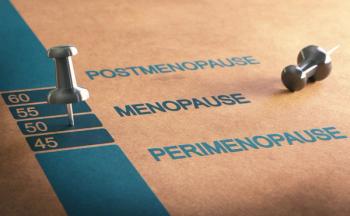
The 16-item Perimenopause Symptom Scale showed strong reliability and validity among 1255 women aged 35 to 59 years in the United States.

Risa Kagan, MD, on bone health prevention in primary care and why baseline bone density testing should come before age 65.
Advertisement
Advertisement
Trending on Contemporary OB/GYN
1
What biomarker-guided preeclampsia care could look like
2
Peri-SS shows reliability for tracking perimenopause symptoms
3
Comparing VMS Therapy Effects on Menopausal Sleep
4
Liudmila Zhaunova talks global Flo app data on perimenopause and activity
5