

A recent study examined maternal drug-related deaths and suicide in California and reveals opportunities for identifying at-risk new mothers.
Ben Schwartz is Associate Editor, Contemporary OB/GYN.
A recent study examined maternal drug-related deaths and suicide in California and reveals opportunities for identifying at-risk new mothers.

A new systematic review sheds light on whether routine cervical cancer screening results might predict anal HPV16 infection, anal high-grade squamous intraepithelial lesions (HSIL), and anal cancer

Rates of revision surgery for mesh midurethral sling placement drop dramatically once a surgeon has reached a certain threshold of annual cases, according to results of a new study.

A recent study chronicled the physical health of women 5 years after they either received or were denied abortion services.

The effects of alcohol consumption during pregnancy are well known, but a small but not insignificant number of women are not getting the message.

For the first time, the US Food and Drug Administration (FDA) has authorized marketing of a test to detect Zika virus immunoglobulin (IgM) antibodies in the bloodstream.

A recent study indicates that providers may need to rethink their intervention methods when counseling adolescents.

New research illustrates why it's important for ob/gyns to discuss syncope history with their pregnant patients.

Recently published 3D MRI images show how the fetal head changes between prelabor and the second stage of labor to facilitate vaginal delivery.

Epileptic women are much more likely to die during pregnancy, but a prognostic model may help predict which women are at higher risk of adverse events.

Routine antibiotic prophylaxis for women undergoing operative vaginal birth is not currently recommended, but results from a recent study may compel a change to that guidance.

A new report analyzed the timing and cause of maternal deaths to determine preventability, factors that contributed to pregnancy-related deaths, and also identified prevention strategies to address contributing factors.
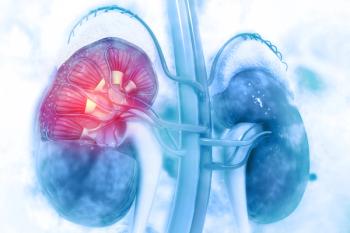
Because CKD is often under-recognized, there is a great benefit to understanding who is at a higher risk.

The duration and timing of antibiotic exposure during adulthood may increase a women's risk for cardiovascular disease.

A recent study aimed to provide the first national estimate of e-cigarette use among pregnant and non-pregnant women of reproductive age.

A recent study examines whether expanding Medicaid coverage has impacted rates of low birthweight and prematurity among infants.

A new study aimed to better understand why birth control may fail for some women by looking at genetic variants.

The U.S. Food and Drug Administration (FDA) has halted sales after manufacturers failed to demonstrate long-term benefits of the devices.

A therapeutic vaccine may be effective and safe for clearing cervical intraepithelial neoplasia (CIN) 2/3 irrespective of HPV subtype.

Incorporating AI into the IVF process could reduce subjectivity in embryo selection and lead to higher success rates for patients.

Knowledge of a woman's reproductive span can help ob/gyns identify patients who may be at risk.

A study looks at two decades worth of data to test whether metformin reduces late miscarriage and PTB in women with PCOS.
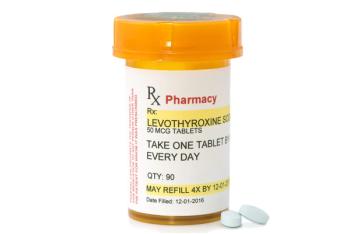
Earlier trials are contradicted by the results of a new study, and ob/gyns may want to rethink their prescribing habits.

A new committee opinion updates ob/gyns about properly identifying and treating survivors in compliance with the necessary medical and legal requirements.
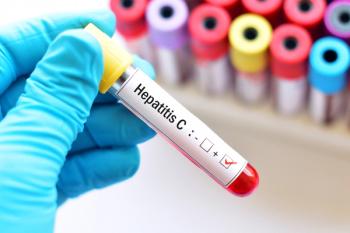
Rising incidence rates of hepatitis C virus among pregnant women could indicate the need for universal screening, but as always, everything comes down to cost.

A new study suggests that previous research has underestimated the impact of low-intensity movement in reducing CVD risk for women over 63.

New research attempts to quantify the effects of maternal smoking, smoking cessation, and smoking reduction in pregnancy on SUID rates.

BRCA mutation carrying mothers may have different risks depending on whether the mutation is BRCA1 or BRCA2.

A recent study examined associations between IPI after stillbirth and the risk of birth compliations in the subsequent pregnancy.

Sometimes out-of-hospital births are a necessity, but a recent presentation examined the safety and outcomes of these types of deliveries.