
A recent study looked at whether maternal folic acid intake is associated with reduced rates of ASD in high-risk families.
Ben Schwartz is Associate Editor, Contemporary OB/GYN.
A recent study looked at whether maternal folic acid intake is associated with reduced rates of ASD in high-risk families.
A case-control study using blood samples, rather than self-reports, provides new data on the link between maternal smoking during pregnancy and ADHD in offspring.
A recent study shows just how effective increasing vaccination rates could be towards eliminating cervical cancer.
Exposure to high levels of DDT is known to increase risk of breast cancer and new research examined whether age of exposure and of diagnosis are connected.
A recent study aimed to quantify the effectiveness of improvements in screening and treatment.
New research examines whether the virus is also linked with increased risk of cardiovascular disease (CVD).

Data from a post-hoc analysis suggest that a patient's risk for stroke is influenced by the age of migraine onset.

A new study looked at whether maternal practices impact the likelihood of a stillbirths at ≥ 28 weeks.

New data from a large, multicenter, randomized trial are now available regarding the effectiveness of endometrial scratching for improving live birth rate with in vitro fertilization.

To address limitations in previous literature on associations between ART and worse perinatal outcomes in offspring, researchers from Finland analyzed potentially harmful effects of ART using a sibling-comparison model approach. PLUS: Consumer and personal care products and BP in pregnancy. ALSO: How can racial disparities in breastfeeding be reduced in the American South?

Help with food, clothing, and shelter often is available to women with low incomes, but another basic need is frequently overlooked: menstrual hygiene.

A recently published cross-sectional analysis examined how common IPV, sexual assault, and PTSD are among this population and whether these exposures are associated with a woman’s menopause experience.
Although human papillomavirus (HPV) vaccination has decreased cervical cancer morbidity and mortality, secondary prevention through screening remains an important strategy. PLUS: Does being black influence hysterectomy route and outcomes? ALSO: Syphilis in pregnancy on the rise.

Two years after its bipartisan introduction, HR 1318 is now law. PLUS: Uterine transplantation from deceased donor results in livebirth. ALSO: Research has shown that route of delivery has an effect on the microbiome of newborns.

A recent study assessed whether interdisciplinary care has a role in treating dyspareunia and if any baseline predictors of severity of deep dyspareunia can be identified.

A new twist has emerged in the gene-editing controversy created by Chinese scientist He Jiankui. PLUS: Would a minimum-volume standard improve hysterectomy outcomes? ALSO: Can lidocaine reduce pain during IUD insertion?

While minimally invasive and open surgeries have been found to produce similar survival rates in other early cancers, that might not be the case for early cervical cancer. PLUS: At what age should cervical cancer screening stop? ALSO: How much do genetic variants affect breast cancer risk?

Results of a population-based study provide new perspectives on the interaction between spacing of pregnancies, maternal age, and the health of mothers and their offspring. PLUS: How do pessaries compare with progesterone for preventing early PTB? ALSO: Opioid abuse in rural mothers and babies - What are the risks?
Results of a new population-based study in the setting of school-based immunization and education cast doubt on speculation that teens who receive HPV vaccination practice unsafe sex. PLUS: Does 3D mammography detect more breast cancers? ALSO: Can weight loss reduce breast cancer risk in postmenopausal women?

A recent study looked at which approach to second-stage labor results in higher spontaneous vaginal delivery rates and lower rates of maternal and neonatal complications. PLUS: What makes hospitals safe for mothers and babies? ALSO: Does eating meat increase risk for breast cancer?

Every year, nearly all of the 6 million women who get pregnant in the US will take medication while they are pregnant or breastfeeding, but this population often is excluded from clinical research. PLUS: Do contemporary hormonal contraceptives reduce ovarian cancer risk? ALSO: Are breastfeeding intentions associated with infant health?

Babies born preterm are known to be at risk of alterations in brain structure and connectivity, but new research shows exposure to breastmilk may have cognitive benefits. PLUS: What’s behind postpartum opioid prescribing patterns? ALSO: How valuable is a second opinion for breast cancer diagnosis?
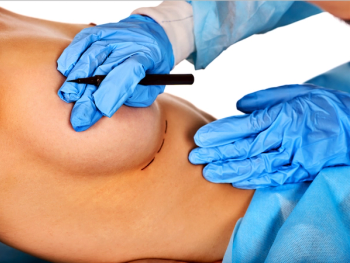
Women with silicone breast implants may be at increased risk for several rare adverse events, according to the first comprehensive study of long-term outcomes since the implants were reapproved. PLUS: Does delayed childbearing contribute to rates of multiple birth? ALSO: Does prenatal pollution exposure impact a newborn’s thyroid function?

A new report shows that over a 10-year period in the United States, rates of severe maternal morbidity increased and age, race, and income, all played a role in disparities in specific related trends. PLUS: How are most women informed of a breast cancer diagnosis? ALSO: Does gestational diabetes signal long-term risk for mothers and their children?

“If you’re an ob/gyn, remember that these women are not statistics. They are precious mothers who are trusting you with their precious gifts.” This is one father’s story about the impact of maternal mortality and how obgyns can support the families of their lost patients.

The first-ever guidelines for perimenopausal depression have been developed by The North American Menopause Society and the National Network on Depression Centers Women and Mood Disorders Task Group. PLUS: Are female sterilization rates and cognitive disability linked? ALSO: How does delivery mode in twin pregnancies impact maternal morbidity rates?

Physicians are looking for ways to reduce unnecessary prescribing of opioids and dispensing after vaginal delivery may represent a source of over-prescription, according to a recently published study. PLUS: Can marijuana pass into mother's milk? ALSO: How do race and ethnicity impact HPV vaccine completion rates?
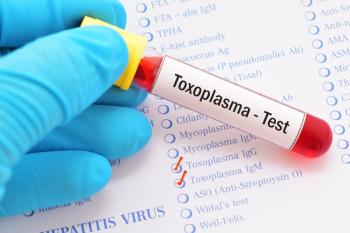
A recent study looked at whether a cost-effective finger-prick whole-blood test for toxoplasmosis can reliably detect the presence of the parasite Toxoplasma gondii. PLUS: Cell-free DNA (cfDNA) tests are increasingly being offered to women in the first trimester of pregnancy but results from a recent study suggest cfDNA tests may not significantly reduce miscarriage risk.
A study that tested the hypothesis that polycystic ovary syndrome (PCOS) is linked with autism may inform new interventions for PCOS and autism. PLUS: Does smoking exposure deter breastfeeding? ALSO: Does race play a role in maternal outcomes for older women?

Research presented during the Pediatric Academic Society (PAS) 2018 Meeting suggests that when it comes to decision-making about hormone therapy (HT), transgender teens and their parents may have different views about preserving biologic fertility.