
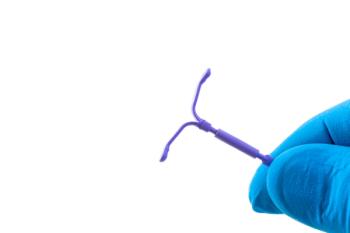
Awareness of intrauterine devices and contraceptive implants is high among women of reproductive age, but not as high for DMPA and oral contraceptives, according to a recent study.
Freelance writer for Contemporary OB/GYN
Awareness of intrauterine devices and contraceptive implants is high among women of reproductive age, but not as high for DMPA and oral contraceptives, according to a recent study.
Research from Perspectives on Sexual and Reproductive indicates that school-based health centers offering comprehensive reproductive services leads to substantially fewer teenage pregnancies, abortions and births.

Counseling strategies that target women initiating a contraception method, including structured counseling on side effects, tend to increase contraceptive continuation, according to research from BMJ Sexual & Reproductive Health.

Normal-weight women who lose body mass between the start of their first and second live pregnancies are much more likely to deliver prematurely in the latter pregnancy, according to new research from PLOS One.
Older women with preeclampsia have a 50% higher risk for spontaneous or iatrogenic preterm birth than younger women with preeclampsia, according to research from AOGS.

Research from Contraception indicates that a new counseling strategy could lead to enhanced patient satisfaction with their birth control method.
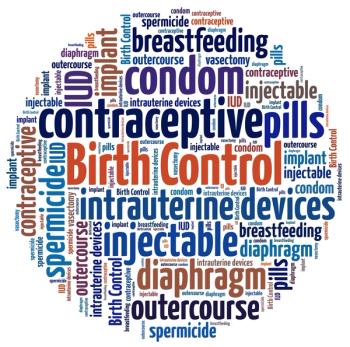
Reproductive-aged women with at least one chronic health condition were twice as likely to use highly effective contraception than women without a chronic condition, according to new research.
New research has found that the role of hormone therapy (HT) in menopausal patients with breast cancer and gynecologic malignancies is a mixed bag.
Women who reach menopause before age 40 may have an increased risk for subsequent cardiovascular disease, according to research from JAMA.
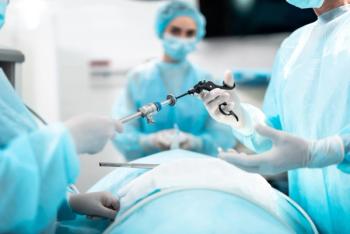
Although patient characteristics may not able to predict postoperative complications from laparoscopic treatment, procedural factors appear to be predictive of perioperative complications.
Endometriosis is an independent risk factor for developing placenta previa, according to a case-control study published in BMC Pregnancy and Childbirth.
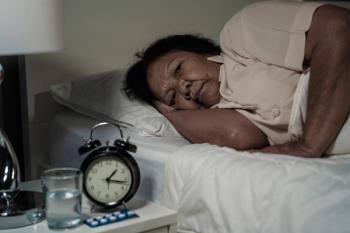
Postmenopausal women who reported 5 hours or less of sleep per night had increased rates of low bone mineral density (BMD) and osteoporosis, according to research from JBMR.
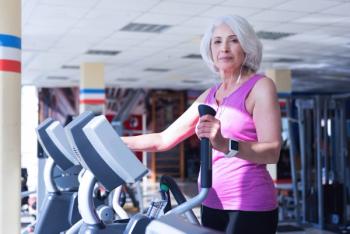
New research from BMC Geriatrics reinforces the importance of pain management and exercise for osteoporotic patients.

A large population-based cohort study in the American Journal of Obstetrics & Gynecology concluded that maternal prepregnancy impaired fasting glucose increases risk of preterm birth.
New research in The Journal of Maternal-Fetal & Maternal Medicine has found that cervical length measurement is a reliable indicator for predicting preterm delivery in women with threatened preterm labor.
Menopausal women with frequent night sweats have more sleep, but that may not be a plus for brain function, according to a study presented at The North American Menopause Society (NAMS) Annual Meeting in Chicago in September.
Research from the American Journal of Obstetrics & Gynecology indicates that menopausal white women gain significantly more abdominal fat than black women, potentially increasing their risk of type 2 diabetes and CVD.

A prospective study published in Menopause has found that postmenopausal women who consume the equivalent of more than two 12-oz servings of soft drinks per day are at a significantly higher risk of hip fracture than postmenopausal women who drink less than one serving a day.
The diagnostic capability of diffusion-weighted magnetic resonance imaging (DWI) to assess vertebral marrow changes in postmenopausal women with osteoporosis has been confirmed by a prospective study published in La radiologia medica and it may be a safer alternative to DEXA.
Continuation rates for long-acting reversible contraceptives (LARC) were high in a group of adolescent and young adult (AYA) women, according to a retrospective chart review in the Journal of Pediatric and Adolescent Gynecology.
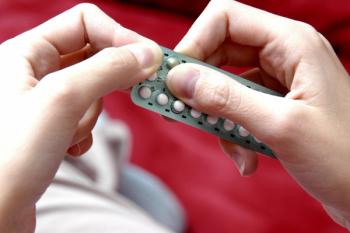
A JAMA Psychiatry prospective cohort study found that scores for depression were higher among younger adolescents who used oral contraceptives (OCs) than those who did not, but the connection did not remain when all included age groups of the study were combined.

A prospective cohort study in the American Journal of Obstetrics & Gynecology (AJOG) examined whether consumption of dairy products during adolescence can help reduce risk of subsequent endometriosis.
Newly published research in Gynecological Endocrinology assessed the quality of embryos and the implantation rate in women with infertility associated with endometriosis.
Maternal serum endocan level may be a useful marker for predicting preterm birth (PTB) within 7 days in patients with threatened preterm labor, according to a recent study in The Journal of Maternal-Fetal & Neonatal Medicine.
Women with certain autoimmune rheumatic diseases have an elevated risk of various preterm birth (PTB) phenotypes, according to a large population-based, retrospective cohort study from BJOG.
Salivary calcium might be an indicator of osteoporosis in postmenopausal women, according to a prospective study in the Journal of Oral and Maxillofacial Pathology.
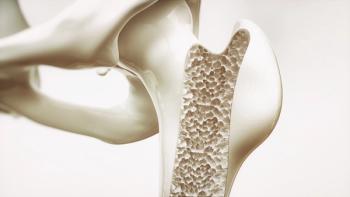
A meta-regression of published trials has concluded that larger improvements in bone mineral density (BMD) via dual‐energy X‐ray absorptiometry (DXA) are associated with greater reductions in fracture risk.
Endometriosis negatively impacts the quality of oocyte and ovarian reserve, according to a prospective study in the journal Gynecological Endocrinology.
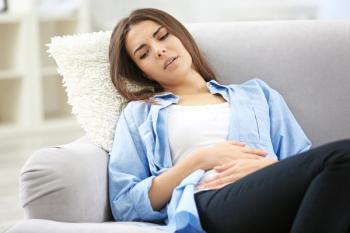
A newly published study in Expert Review of Pharmacoeconomics examined the impact of endometriosis on employment and household productivity.

A recently published study found that providers are more likely to focus on the patient's contraceptive preferences when the patient has interacted with a contraceptive decision-support tool.