

A recent analysis highlights the heightened risk of adverse pregnancy outcomes, including preterm delivery and cesarean sections, among women with uterine fibroids.
A recent analysis highlights the heightened risk of adverse pregnancy outcomes, including preterm delivery and cesarean sections, among women with uterine fibroids.

A new study underscores the critical need for gynecologists and mental health professionals to collaborate in managing anxiety, depression, and sexual dysfunction in women with endometriosis, driven by chronic pain and related comorbidities.

Investigators review medical, surgical, and radiologic methods to manage abnormal uterine bleeding caused by fibroids, highlighting the need for personalized treatment strategies to improve quality of life.

A phase 3 trial found simple hysterectomy is noninferior to radical hysterectomy in preventing pelvic recurrence within 3 years while reducing urologic complications in low-risk, early-stage cervical cancer patients.

A comprehensive analysis shows the benefits of thromboprophylaxis often outweigh the bleeding risks during gynecologic cancer procedures, though patient-specific risk factors are crucial for decision-making.

Discover how fezolinetant offers a safe, effective, and targeted solution for hot flashes, revolutionizing menopause care for women who can’t or won’t use hormones.

A recent review established guidelines for prenatal diagnosis and care of vasa previa, outlining its definition, screening and diagnosis, management, and timing of delivery in asymptomatic patients.

In a recent study, an inverse relationship was discovered between anti-Müllerian hormone levels and early menopause, highlighting the need to develop interventions for fertility preservation based on genetics.

Data released by the Centers for Disease Control and Prevention has indicated reduced abortion rates across multiple subgroups in the United States.

Jason Bell, MD, discusses the impact of living in contraceptive deserts on college-aged women, highlighting the importance of education, access, and support for reproductive health.

In a recent study, endometriosis-associated pain was reduced among patients taking elagolix, with bone mineral density mitigated using add-back therapy.

In a recent study, the prevalence of gynecological cancer trials was reduced in states with high economic vulnerability and minoritized populations.
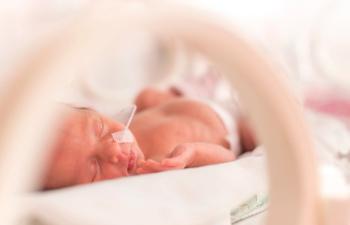
In a recent study, infants born very preterm or extremely preterm had reduced odds of mortality when cesarean delivery was chosen as the mode of delivery, without a notable increase in any morbidity risk.
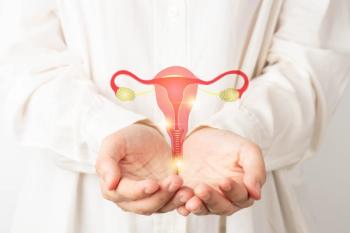
A recent study reveals that reduced endometrial thickness significantly increases the risk of placenta accreta spectrum disorders in women without prior cesarean deliveries using assisted reproductive technology.

A new study highlights how depression may drive dysmenorrhea through shared genetic pathways, emphasizing the need for mental health screening and holistic care for women.

A recent study found a sharp rise in Medicare claims for multiplex urinary tract infection testing from 2016 to 2023, underscoring a significant financial impact and the need for further research into its clinical benefits.
A recent study highlights the reduced cost-effectiveness of expanding human papillomavirus vaccination to adults aged 27 to 45 years compared to younger groups, though targeted strategies for high-risk subgroups indicate benefits.

Women experiencing severe maternal morbidity during their first pregnancy face significantly lower odds of subsequent births, emphasizing the need for personalized reproductive counseling and ongoing monitoring.

Discover how innovative self-collection methods and the BD Onclarity HPV assay are breaking barriers in cervical cancer screening, empowering underserved communities with accessible and accurate care.

A new study highlights the association of maternal soluble Fms-like tyrosine kinase 1 and endothelin 1 with preeclampsia severity, offering insights into the pathogenesis of early- and late-onset forms of the condition.

Jean Dubuisson, MD, PhD, head of the gynecological surgery unit at Geneva University Hospitals, discusses the first successful hysterectomy performed using the MIRA surgical system.

A recent study highlights the release of chemoattractants from human fetal membranes at term, driving leukocyte activation and migration, with implications for labor and postpartum recovery.

Review some of the top stories from the Contemporary OB/GYN website over the last week, and catch up on anything you may have missed.

A new study highlights the efficacy of couple-based reproductive genetic carrier screening in improving reproductive decisions and outcomes, emphasizing its growing availability and acceptance among diverse populations.

A new study found that fine particulate matter exposure during pregnancy significantly increases the risk of spontaneous preterm birth, emphasizing the need for mitigating environmental factors.

A study highlights the poor quality of online information about urinary tract infections and asymptomatic bacteriuria, raising concerns about inaccurate diagnoses, overtreatment, and antibiotic resistance.

New research highlights that low levels of placental growth factor during mid-pregnancy screening can effectively predict early preterm birth, offering a potential tool to enhance maternal and infant health outcomes.

A large population-based study found that first-trimester tetracycline exposure does not elevate the risk of major congenital malformations, though specific risks for nervous system and eye anomalies warrant further research.

A study found that Obstetric Life Support education significantly improves health care providers' readiness and outcomes in maternal cardiac arrest management, advocating for broader implementation.
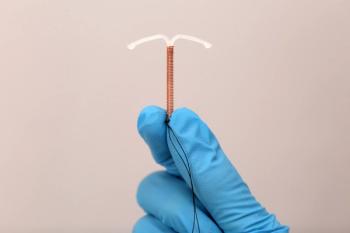
A study reveals no significant difference in 6-month intrauterine device use between placements within 48 hours or 2 to 4 weeks after a second-trimester abortion, though earlier placement carries a higher expulsion risk.