
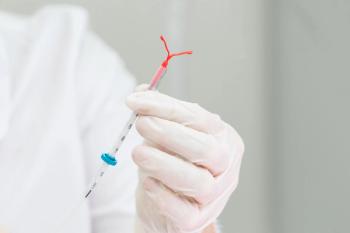
A new study finds that intrauterine instillation of 2% mepivacaine significantly lowers pain levels during intrauterine device placement.
A new study finds that intrauterine instillation of 2% mepivacaine significantly lowers pain levels during intrauterine device placement.

A systematic review highlights increased risks of congenital anomalies in very young and advanced maternal age groups, emphasizing the need for enhanced screening in these populations.

A recent study suggests the ketogenic diet could positively impact menstrual cycles by boosting ketones, potentially unlocking new therapeutic insights for women’s reproductive health.

In a recent study, increased rates of spinal hypotension were observed among women receiving a higher plain ropivacaine dose during cesarean section.

The March of Dimes 2024 report reveals a troubling D+ grade for US preterm births, with significant racial and socioeconomic disparities fueling an urgent need for better prenatal care and targeted interventions.

In a recent study, a high polycystic ovary syndrome was found among reproductive-aged women in India, with phenotype C being predominant.

In a recent study, similar postoperative outcomes were reported in patients receiving anterior vaginal wall repair vs paravaginal repair for laparoscopic pelvic organ prolapse, including similar success rates.

Review some of the top stories from the Contemporary OB/GYN website over the last week, and catch up on anything you may have missed.

Learn why postpartum hemorrhage remains a critical maternal health issue in the United States and discover effective treatment approaches and preventative strategies shared by expert ob-gyn Kameelah Phillips, MD.
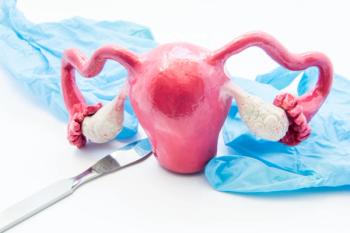
In a recent study, researchers recommended minimally invasive procedures vs hysterectomy for improved patient outcomes when treating uterine fibroids.

In a recent study, successful pregnancy termination was reported when performing medical abortion early vs delayed, with similar safety outcomes also observed.

In a recent study, stress urinary incontinence outcomes were improved in women utilizing pressure-mediated biofeedback vs pelvic floor muscle training alone.

Data has indicated adverse maternal and neonatal outcomes from placental conditions, alongside a high risk of recurrence in subsequent pregnancies.

In a recent study, menopausal women with frequent and time-consistent vasomotor symptoms were more likely to develop diabetes than those with reduced vasomotor symptoms.

In a recent study, offspring of women with cannabis use in early pregnancy confirmed by self-report or toxicology test were not at an increased risk of childhood early developmental delay up to the age of 5.5 years.

Rossella Nappi, MD, PhD, highlights how fezolinetant rapidly reduces the severity and frequency of hot flashes, offering a personalized, non-hormonal solution for menopausal women.

Discover how cutting-edge artificial intelligence technologies are enhancing early breast cancer detection, improving accuracy, and personalizing care for better patient outcomes.

Learn about how women face unique risk factors of cardiovascular conditions compared to men, and how new screening methods such as breast arterial calcification can protect these patients.
Review some of the top stories from the Contemporary OB/GYN website over the last week, and catch up on anything you may have missed.

In a recent study, adjustments for maternal characteristics mediated the association between maternal prenatal cannabis use and offspring autism spectrum disorder, indicating no statistically significant increase in risk.

With nearly half of short-acting contraceptive users preferring non-traditional sources such as telehealth and over-the-counter options, a recent study highlights evolving patient needs in contraceptive access.

In a recent study, high rates of reproductive health service use were reported among adolescent mothers, indicating the benefits of this model for providing care when other options are unavailable.
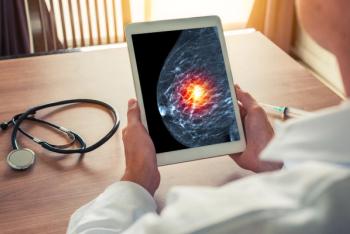
In a recent study, non-Hispanic Black patients were less likely to receive guideline-concordant care and had greater mortality rates, highlighting the potential for improved survival by optimizing receipt of timely care.

Despite being recommended as a third-line therapy, rates of ondansetron use to treat nausea and vomiting in pregnancy have increased, making it the most common prescription antiemetic against this condition in the United States.

A recent study highlights the frequent occurrence of incidental findings on pelvic magnetic resonance imaging for endometriosis, emphasizing the need for radiologists to focus on those with higher clinical significance.

Discover the unique cardiovascular risks women face compared to men, and learn how proactive screening and partnerships between cardiologists and ob-gyns can improve women's heart health.

In a recent study, factors limiting Advanced Practice Providers in their scope of practice included employers, state restrictions, and insurance.
A recent study found that highly purified human menotropin significantly lowers the risk of ovarian hyperstimulation syndrome compared to recombinant follicle stimulating hormone, highlighting the benefits of protocol individualization based on gonadotropin type.
Review some of the top stories from the Contemporary OB/GYN website over the last week, and catch up on anything you may have missed.

In a recent study, Black patients were significantly more likely to present with high-risk endometrial subtypes for endometrial cancer, highlighting disparities in access to tumor next generation sequencing.