


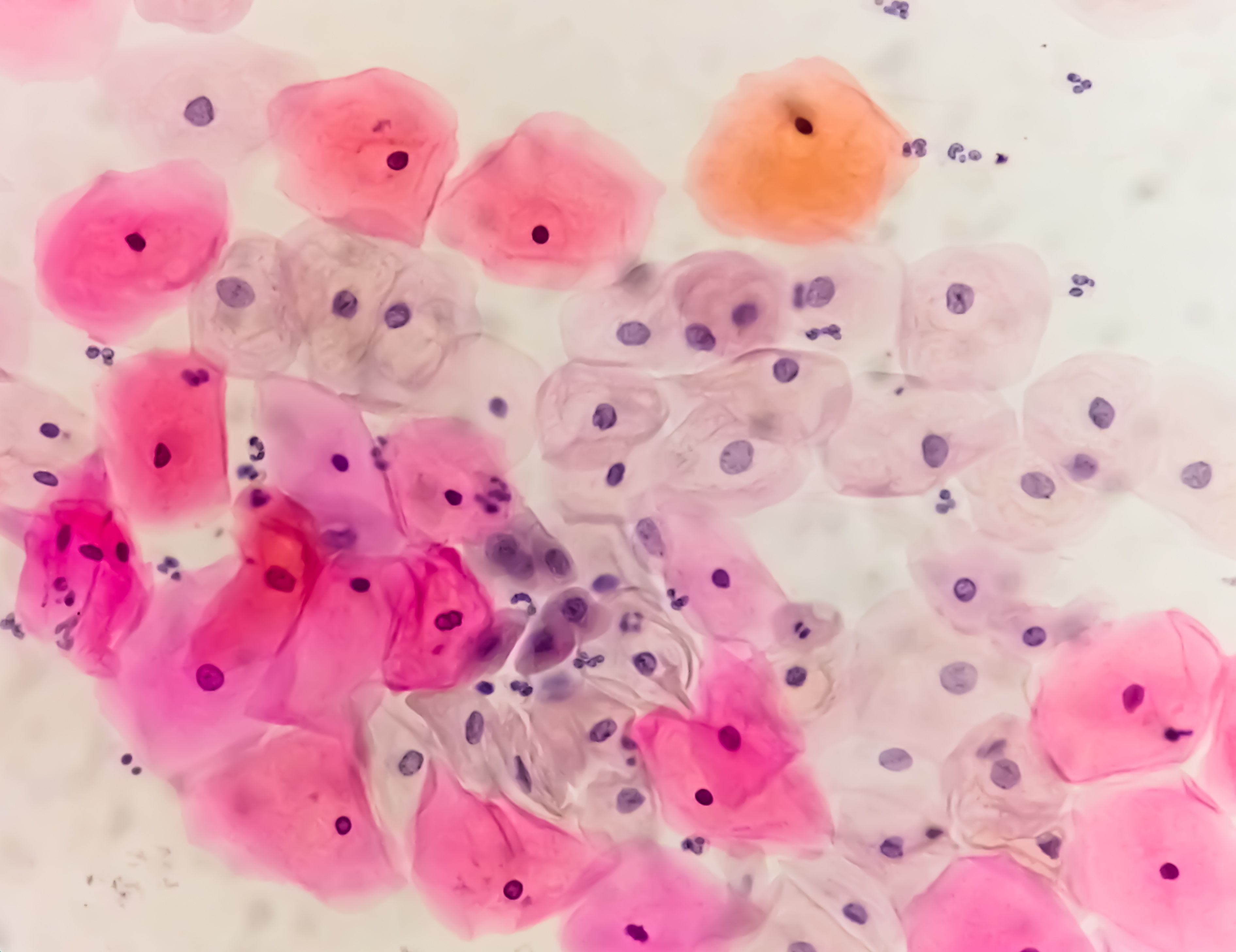

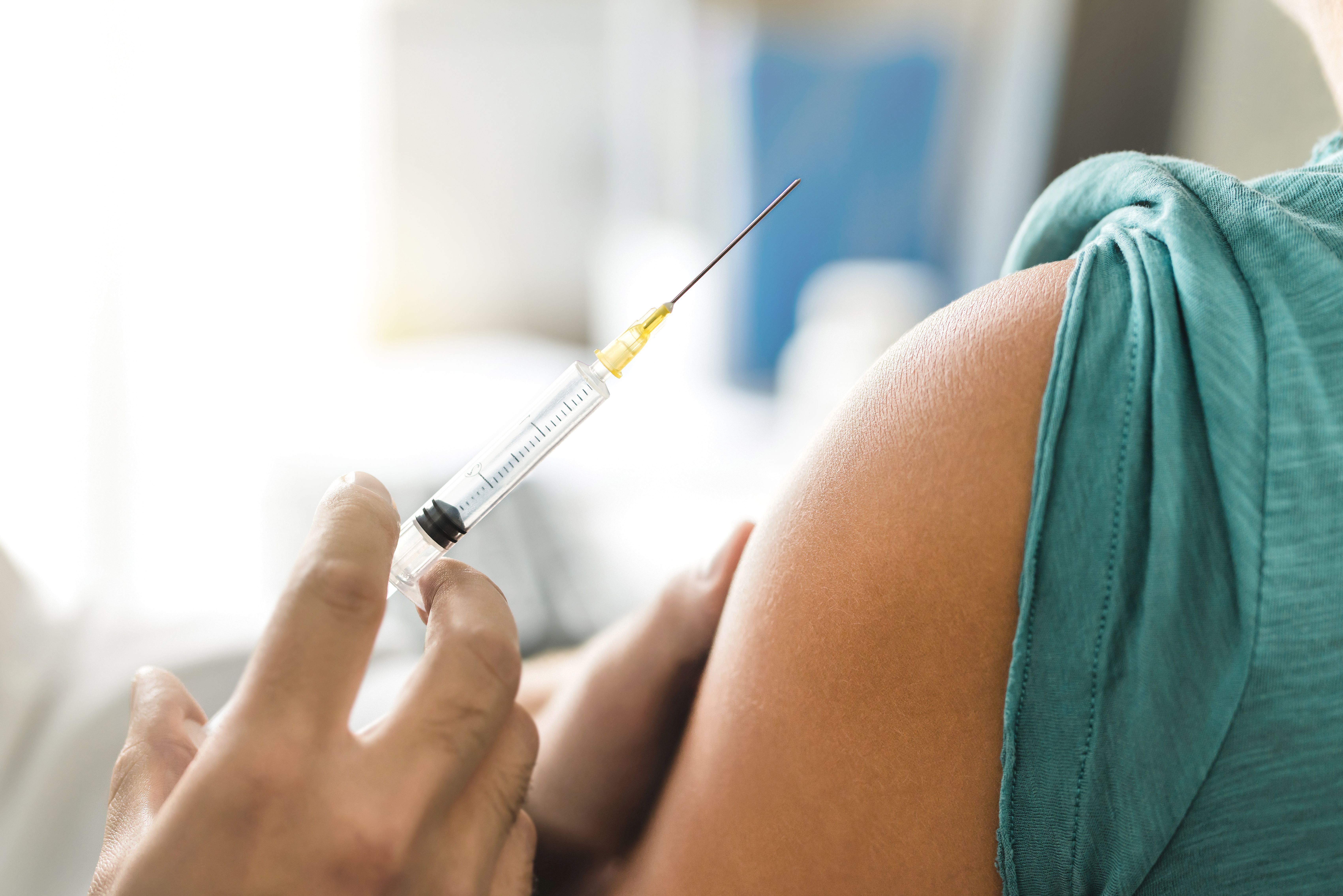


Hologic's Genius Digital Diagnostics System, the first FDA-cleared digital cytology system using AI and advanced imaging, promises improved sensitivity in detecting pre-cancerous lesions and cervical cancer cells.
Hologic's Genius Digital Diagnostics System, the first FDA-cleared digital cytology system using AI and advanced imaging, promises improved sensitivity in detecting pre-cancerous lesions and cervical cancer cells.

Review some of the top stories from the Contemporary OB/GYN website over the last week, and catch up on anything you may have missed.
A recent study revealed a 2-dose regimen of human papillomavirus vaccination in postpartum individuals is as effective as a 3-dose approach, providing valuable insights into optimizing vaccination strategies against the virus.
Review some of the top stories from the Contemporary OB/GYN website over the last week, and catch up on anything you may have missed.

A comprehensive review highlighted challenges and research gaps in human papillomavirus vaccination, emphasizing the importance of targeted interventions and effective delivery strategies.

A recent study found that watching health-related videos on social media significantly increases awareness about human papillomavirus (HPV) and the HPV vaccine, with data showing geographic variations and demographic influences on viewership and awareness levels.
Review some of the top stories from the Contemporary OB/GYN website over the last week, and catch up on anything you may have missed.
A recent study revealed a substantial rise in open abdominal hysterectomy following the Laparoscopic Approach to Cervical Cancer trial, impacting surgical approaches but not 30-day complications.
Review some of the top stories from the Contemporary OB/GYN website over the last week, and catch up on anything you may have missed.
A decade-long study confirms significant protection against human papillomavirus remains in patients vaccinated up to age 20, reinforcing the World Health Organization's single-dose vaccination recommendation for adolescents.
Review some of the top stories from the Contemporary OB/GYN website over the last week, and catch up on anything you may have missed.

Discover how active surveillance, a growing approach in managing cervical intraepithelial neoplasia, offers a nuanced alternative to immediate interventions, showcasing promising regression rates and reduced risk of overtreatment.
A recent study looks at the impact COVID-19 had on human papillomavirus vaccination rates in New York City and Long Island.

A study reveals how personalized digital health tools, such as a Digital Personal Health Librarian, leveraging electronic health records, social data, and advanced technologies, can not only enhance wellness care and preventive health but also significantly improve the uptake of interventions like HPV vaccination.
Review some of the top stories from the Contemporary OB/GYN website over the last week, and catch up on anything you may have missed.

A recent study suggests that a catch-up HPV test may significantly enhance cervical cancer prediction for women aged 65 and older, potentially addressing issues in existing screening programs and reducing the risk of cervical cancer development.

A recent study found that military veterans have 1.46 times higher odds of abnormal outcomes from cervical cancer screening tests compared to non-veterans.
A recent study reveals that despite health care visits, parents' knowledge and attitudes toward HPV vaccination remain unchanged, emphasizing the need for innovative strategies to boost vaccine uptake.

Authors from a recently published study suggest African American women with systemic lupus erythematosus (SLE) need improved education about their potential risk for cervical cancer and HPV, according to their study results.

In a recent study, an association was found between reactive oxygen species and cervical intraepithelial neoplasia.
The annual percentage changes of cervical cancer incidence and mortality in Appalachian Kentucky from 2009 to 2019 were 2.9% and 4.5% respectively.

In a recent study, overall and cervical-cancer specific deaths were more common among cervical cancer patients with a preexisting mental health disorder.

In a recent study, patients with early-stage cervical cancer receiving radical hysterectomy had increased survivability.

The effects of GARDASIL 9 (Human Papillomavirus 9-valent Vaccine, Recombinant) in patients aged 9 to 15 years has indicated efficacy, according to a recent long-term follow-up study.

In a recent study, the prediction values of cervical cancer prediction models increased significantly when human papillomavirus genotypes were included in the evaluation.