



Uterine Fibroids
Latest News
Advertisement
Latest Videos






Shorts
Podcasts


Advertisement
More News

A recent study presented at the 2024 ACOG Clinical and Scientific Meeting reveals that laparoscopic radiofrequency ablation significantly improves pregnancy outcomes for women with uterine leiomyomas.

Review some of the top stories from the Contemporary OB/GYN website over the last week, and catch up on anything you may have missed.
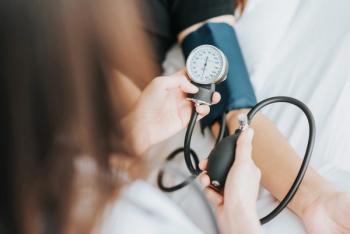
A recent study revealed that patients with untreated or new-onset hypertension face elevated chances of uterine fibroid diagnosis, underscoring the potential of antihypertensive therapy in mitigating this risk among midlife individuals.
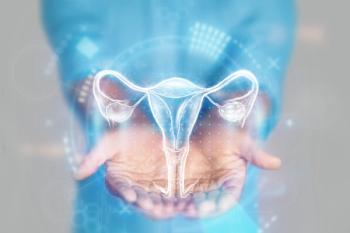
Investigating genetic correlations and shared loci sheds light on potential causal relationships between reproductive traits and uterine leiomyomata, offering insights into their complex interplay and urging further mechanistic exploration.

Delve into the findings of a recent study revealing the heightened risk of developing uterine fibroids among Black women with a maternal history of the condition, shedding light on crucial implications for patient care and advocacy.

Recent research highlights the efficacy and safety of relugolix combination therapy in managing uterine fibroid-associated heavy menstrual bleeding specifically among Black women, demonstrating outcomes comparable to the broader population.
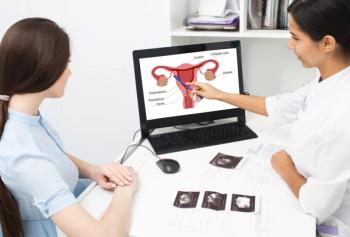
A recent study reveals that relugolix combination therapy demonstrates sustained reduction in menstrual bleeding volume for women with symptomatic uterine fibroids.
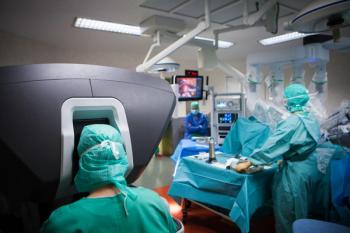
In a recent study, improvements in symptom severity and quality of life scores at years 1, 2, and 3 were seen in patients receiving hysterectomy, myomectomy, or uterine artery embolization.

Reductions in symptom incidence and severity from uterine fibroids and endometriosis have been observed in patients receiving relugolix combination therapy.
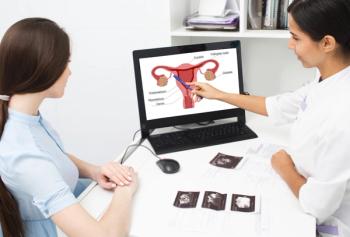
In a recent study, larger fibroid sizes and location in the lower uterine segment or cervix were associated with greater odds of post partum hemorrhage requiring packed red blood cell transfusion.

In a recent study, uterine fibroids were significantly associated affecting patient who are Black or Asian-Chinese and over 35 years of age.
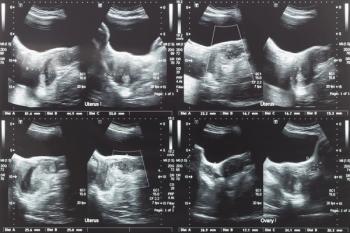
In a recent study, women with symptomatic uterine fibroids saw reduced symptom burden and improved quality of life after 24 weeks of treatment through relugolix combination therapy.
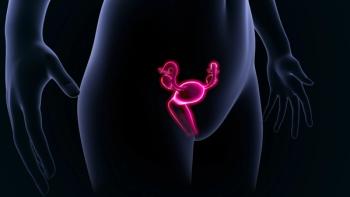
Women with symptomatic uterine fibroids achieved a greater improvement in quality of life with myomectomy than with uterine artery embolization (UAE), according to a randomized study published in the journal Health Technology Assessment.

A study published in Women’s Health Reports offers deeper knowledge of women’s lived experience with fibroids in their own words, and confirms the burden of the disease.
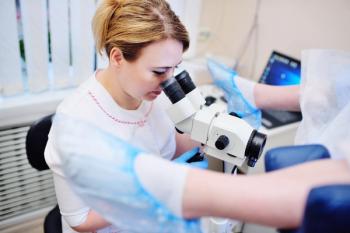
A prospective study published in the International Scientific Research Journal has found that colposcopy was able to detect exoservicitis in about one-third of women with uterine fibroids.

The US Food and Drug Administration has accepted to review the supplemental New Drug Application for Myfembree for the potential treatment of heavy menstrual bleeding associated with uterine fibroids for up to 2 years.

Vitamins and diet can play a role in the prevention and treatment of uterine fibroids, according to a literature review spanning 20 years published in the journal Nutrients.

A call to action in the journal Reproductive Sciences hopes to empower health care providers to optimize their quality of care for women with uterine fibroids by relying on the best available evidence and best patient-centered practices.
Advertisement
Advertisement
Trending on Contemporary OB/GYN
1
Mary Jane Minkin, MD, unpacks hormone therapy myths
2
Can biomarkers make preeclampsia risk assessment more equitable?
3
Wen Shen, MD, and Dana Sarnak, PhD, on MHT access and supply
4
Mind, Body, & the Pause: Irregular bleeding and genitourinary symptoms
5