

New research shows fezolinetant significantly reduces the frequency and severity of hot flashes in Hispanic women, offering a safer alternative to hormone replacement therapy.
New research shows fezolinetant significantly reduces the frequency and severity of hot flashes in Hispanic women, offering a safer alternative to hormone replacement therapy.

Fezolinetant offers women a groundbreaking, non-hormonal solution to manage menopause symptoms like hot flashes and sleep disturbances, supported by large clinical trials.

A new study highlights gestational hypertension as a significant predictor of cardiovascular disease in menopausal women, challenging previous assumptions about preeclampsia’s role.

Research reveals that environmental exposures and PTSD from Gulf War service significantly increase the likelihood of early menopause, highlighting the need for targeted reproductive health care for women veterans.

Vanessa Muñiz presents research comparing clinical hypnosis and cognitive behavioral therapy for treating hot flashes, revealing that hypnosis significantly reduces frequency and improves quality of life.

Stephanie Faubion, MD, MBA, medical director of the Menopause Society, shares details from her presentation on hormone therapy at the 2024 Annual Meeting of The Menopause Society.

Lauren Streicher, MD, advocates for practical, individualized solutions for postmenopausal sexual dysfunction, emphasizing increased vascularization, stimulation, and addressing related symptoms.

PH80 nasal spray shows promise in reducing menopausal hot flashes, offering an effective and safe non-hormonal treatment option.

At the 2024 Annual Meeting of The Menopause Society, the positive safety and efficacy data of fezolinetant against sleep disturbances from the SKYLIGHT 1 and 2 trials was presented.

The phase 3 OASIS trial presented at the 2024 Annual Meeting of The Menopause Society displayed significant improvements in the frequency of moderate-to-severe vasomotor symptoms among patients receiving elinzanetant.

Low rates of hormone therapy use have been reported among midlife women, stagnating after decreases in the immediate aftermath of the Women’s Health Initiative.

A new study presented at the 2024 Annual Meeting of The Menopause Society shows hormone therapy remains beneficial for women over 65, helping manage menopause symptoms like hot flashes and improving quality of life.

In this video from The Menopause Society Annual Meeting, Lauren Streicher, MD, talks about what to ask your patients about sexual function.

In a recent study presented at the 2024 Annual Meeting of The Menopause Society, insulin resistance was significantly reduced among postmenopausal women receiving hormone therapy vs placebo.
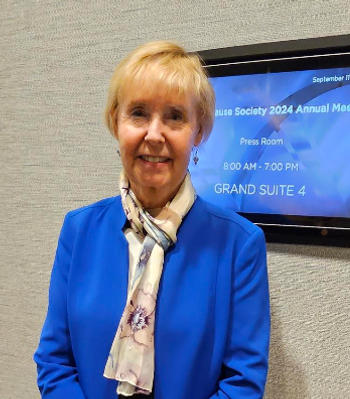
At the 2024 Menopause Society meeting, JoAnn Pinkerton, MD, highlighted phase 3 long-term safety data of elinzanetant from the OASIS 3 trial.

A discussion of vasomotor symptoms and the potential benefits of elinzanetant with Nanette Santoro, MD, from The Menopause Society annual meeting in Chicago, Illinois.

In a recent study presented at the 2024 Annual Meeting of The Menopause Society, 23% of patients with breast arterial calcifications on a mammogram had atherosclerotic cardiovascular disease, vs 13.9% without.

A new study presented at the 2024 Annual Meeting of the Menopause Society found cognitive behavioral therapy can effectively address sexual concerns during menopause, improving overall well-being.

Nanette Santoro, MD, and Lauren Streicher, MD, MSCP, briefly highlight why they feel the annual Menopause Society is a great place for learning and collaboration.

In a recent study presented at the 2024 Annual Meeting of The Menopause Society, the prevalence of Alzheimer’s disease was significantly increased among women with prior trauma.

In a recent study presented at the 2024 Annual Meeting of The Menopause Society, women with certain adverse outcomes during pregnancy had an increased risk of cardiovascular disease later in life.

Female veterans with PTSD are twice as likely to experience early menopause and related health risks, according to a study presented at the 2024 Annual Meeting of The Menopause Society.

In a recent study presented at the 2024 Annual Meeting of The Menopause Society, 59% of nocturnal hot flashes occurred during the second half of the night, a time linked to increased cardiovascular disease risk.

A study presented at the 2024 Annual Meeting of The Menopause Society, found that women who reported physical intimate partner violence also demonstrated decreased working memory performance over time.

Data presented at the 2024 Annual Meeting of The Menopause Society highlighted greater reductions in hot flash severity among women receiving clinical hypnosis compared to those receiving cognitive behavioral therapy.

This lecture, presented by Holly J. Pederson, MD, at The Menopause Society 2023 Annual Meeting, looked at combined oral contraceptives in BRCA carriers and other high-risk patients, and hormone therapy in postmenopausal gene carriers as well as other high-risk women.

James A Simon, MD, discusses the link between hot flashes and poor sleep quality, and how clinicians can help their patients manage sleep disorders.

Steven R. Goldstein, MD, discusses holes in clinicians' understanding of the endometrium, and how these knowledge gaps can be remedied.

Michael E. Lewiecki, MD, discusses risk factors of osteoporosis in midlife women, and how clinicians can measure and manage bone health.
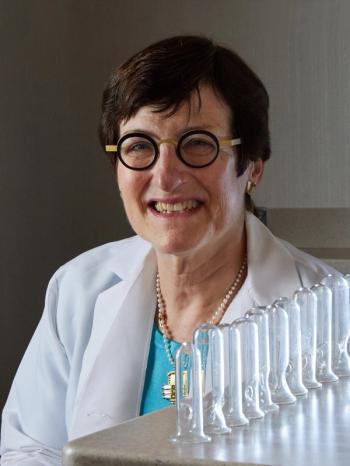
Mary Jane Minkin, MD, FACOG, MSCP, discusses key takeaways from The Menopause Society 2023 Annual Meeting, held in Philadelphia, Pennsylvania from September 27-30.