
In this video, Barb Dehn, NP, discusses Brexafemme, the first fungicidal medication approved for the treatment of vulvovaginal candidiasis.
In this video, Barb Dehn, NP, discusses Brexafemme, the first fungicidal medication approved for the treatment of vulvovaginal candidiasis.
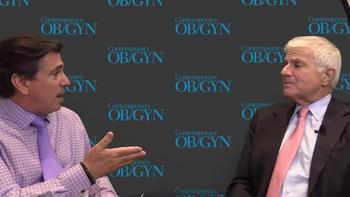
In this interview, Steven R. Goldstein, MD, shares updated research on evaluating the uterus in women with perimenopausal and postmenopausal bleeding.
In this episode, Michael Krychman, MD, sat down with Alyssa Dweck, MD, gynecologist, and Bonafide medical advisor to catch up at this year's North American Menopause Society (NAMS) Annual Meeting.

Barb Dehn, NP, discusses vaccine hesitancy, soy and estrogen receptors, and a hospital in Tanzania dedicated to improving women's health through quality health care and education in under-resourced communities.

Gloria A. Bachmann, MD, MMS sat down with Michael Krychman, MD, at the North American Menopause Society (NAMS) Annual Meeting to talk about telemedicine and her work providing trauma-informed care to women in prison.
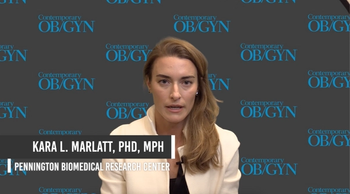
Kara L. Marlatt, PhD, MPH, tells Contemporary OB/GYN® about the exciting new anti-obesity and weight loss drugs to watch for.
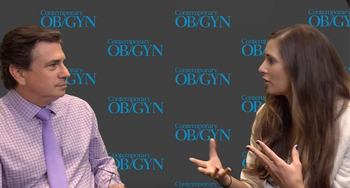
At the North American Menopause Society's (NAMS) 2021 Annual Meeting, sexual health specialist Michael Krychman, MD sat down with Brooke Faught, NP to learn more about the Women's Institute for Sexual Health, her role on the Planning Committee, and her tips for talking trauma with patients.
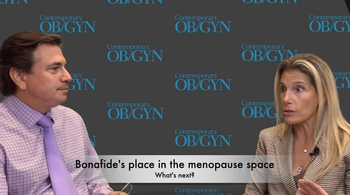
Michael Krychman, MD, sat down with Alyssa Dweck, MD, gynecologist and Bonafide medical advisor to catch up at this year's North American Menopause Society (NAMS) Annual Meeting.
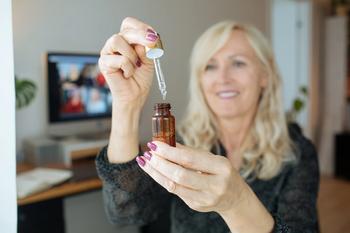
One in three women in an Alberta, Canada, survey reported using cannabis to alleviate their symptoms associated with menopause.

CRISPR gene-editing technology holds the potential to usher in a new age in medicine, according to a featured speaker at the North American Menopause Society Annual Meeting, being held this week in Washington, D.C.

We sat down with Glynis Ablon, MD, FAAD to learn about her research on nutraceuticals for hair growth in midlife.

New guidelines from the Centers for Disease Control and Prevention (CDC) for the screening of sexually transmitted infections (STIs) offer new ways to ask common questions.
Cardiovascular disease (CVD) remains the leading cause of morbidity for women in the United States. Prior to the update in 2020, published in the Journal of the American College of Cardiology, there had been no formal guidelines from the American College of Cardiology (ACC)/American Heart Association (AHA) specifically addressing CVD in women since 2011.

Women who are exposed to sexual violence, particularly in childhood, may be more prone to poorer cardiovascular health later in their lives.
Older women with a history of childhood abuse or intimate partner violence (IPV) may have been impacted by mental health issues even more than others during the COVID-19 pandemic.
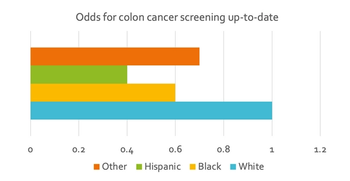
Black and Hispanic women are significantly less likely to have up-to-date colon cancer screening compared to White women.

When a woman goes through menopause, she is at accelerated risk for cardiovascular disease (CVD), according to the 2020 statement on menopause and CVD risk from the American Heart Association (AHA).
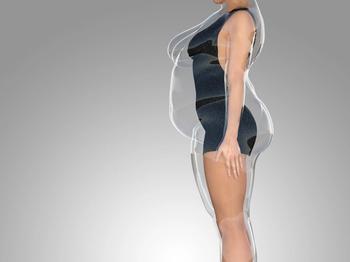
Many women gain weight during menopause. Aging and lifestyle are the main factors, and women generally become less active as they go through midlife. At any age, it is known that burning fewer calories increases weight and fat mass. But what can providers do?
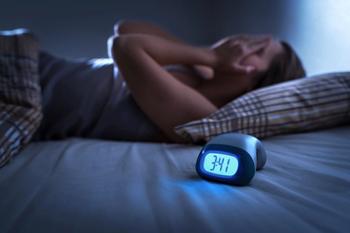
Rebecca Thurston, PhD, explains clinical research and strategies for undermining the power of vasomotor symptoms and insomnia to interrupt sleep.

“Don’t it always seem to go, that you don’t know what you’ve got ‘til it’s gone.” Samar R. El Khoudary, PhD, MPH, used Joni Mitchell’s popular song lyrics to introduce the crowd to her session, “Health is Where the Heart Is,” which addressed the connection between heart health and menopause.

Holly Wyatt, MD’s session, "The Tao of Wellness," kicked off the North American Menopause Society’s (NAMS) 2021 Annual Meeting. It was the springboard for the Utian Translational Science Symposium, themed “Charting the Path to Health in Midlife and Beyond: The Biology and Practice of Wellness.”
Check in throughout the week for the latest coverage from the North American Menopause Society’s (NAMS) Annual Meeting, which is being held Sept. 22-25 in Washington, D.C.

This week, Contemporary OB/GYN® will be covering the North American Menopause Society’s (NAMS) 2021 Annual Meeting, which is taking place Sept. 22-25 in Washington, D.C. We spoke with NAMS President Hadine Joffe, MD, MSc about wellness at midlife and why it is crucial in menopause.

A secondary analysis of the Women’s Health Initiative (WHI)-Calcium and Vitamin D (CaD) clinical trial has concluded that vasomotor symptom severity is not linked to any clinical event.

In this video, Senior Editor Angie DeRosa interviews Nanette Santoro, MD, Chair of the 2020 Scientific Program Committee for the Virtual Annual Meeting of the North American Menopause Society (NAMS).

Poor sleep occurs frequently among midlife women, which is significantly linked to childhood and adult trauma, according to a prospective study presented at the 2020 Virtual Annual Meeting of the North American Menopause Society (NAMS).
This article is based on information presented at the 2020 Virtual Annual Meeting of the North American Menopause Society (NAMS). According to NAMS, all presentations have been pre-recorded and now are available for on-demand viewing beginning Sept. 28 through Sept. 21, 2021.

This article is based on information presented at the 2020 virtual annual meeting of the North American Menopause Society (NAMS). According to NAMS, all presentations have been pre-recorded and now are available for on-demand viewing beginning Sept. 28 through Sept. 21, 2021.

The North American Menopause Society (NAMS) has announced its decision to host the 2020 Annual Meeting virtually from September 30 to October 3.

Approved treatments of menopause-related symptoms can have narrow indications, but they may offer broader relief of the most bothersome menopause symptoms.