




Gynecology
Latest News
Advertisement
Latest Videos


Shorts

0:47
Being aware of salpingectomy opportunities with David Shalowitz, MD
13 days ago
by
David I. Shalowitz, MD, MSHP(+1 more)

0:41
Reclaiming a dismissive term to demand better care
a month ago
by
Sameena Rahman, MD, FACOG, MSCP, IF
0:47
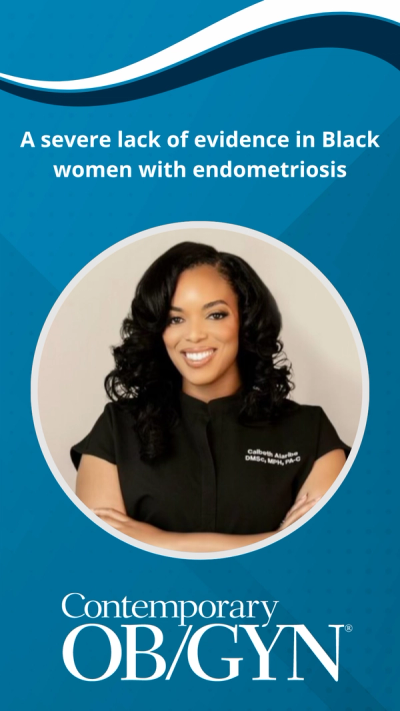
A severe lack of evidence in Black women with endometriosis
a month ago
by
Calbeth C. Alaribe, DMSc, MPH, PA-C, CPCHE(+1 more)
1:21
David Shalowitz, MD, on adding salpingectomy to an already-scheduled surgery
a month ago
by
David I. Shalowitz, MD, MSHP(+1 more)
0:55
David Shalowitz, MD, on ACOG's updated recommendation for salpingectomy
2 months ago
by
David I. Shalowitz, MD, MSHP(+1 more)

0:48
Considerations for having an endometrial ablation, with Andrea Lukes, MD
2 months ago
by
Andrea Lukes, MD, MHSc, FACOG(+1 more)
0:52
Evolution of medical vs. surgical approaches for fibroids
2 months ago
by
Andrea Lukes, MD, MHSc, FACOG(+1 more)
0:49
Diagnosing fibroids that lead to heavy periods with Andrea Lukes, MD
2 months ago
by
Andrea Lukes, MD, MHSc, FACOG(+1 more)

0:52
Why is vaginal hysterectomy the most underused approach?
2 months ago
by
Rosanne Kho, MD
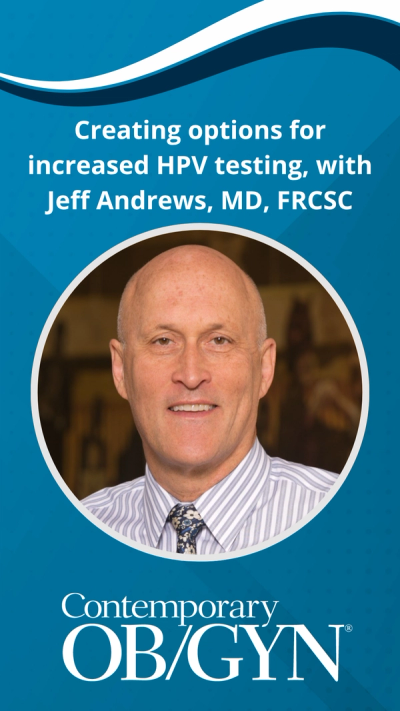
1:17
Creating options for increased HPV testing, with Jeff Andrews, MD, FRCSC
2 months ago
by
Jeff Andrews, MD, FRCSC(+1 more)
Podcasts



Advertisement
More News

The FDA approved an IDE allowing Mercy BioAnalytics to evaluate its Evident blood-based ovarian cancer screening test in the prospective pivotal SOARA study of average-risk women.

Sameena Rahman, MD, discusses how digital symptom trackers can shorten PMOS diagnostic delays and support earlier cardiometabolic care.
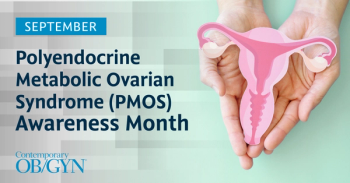
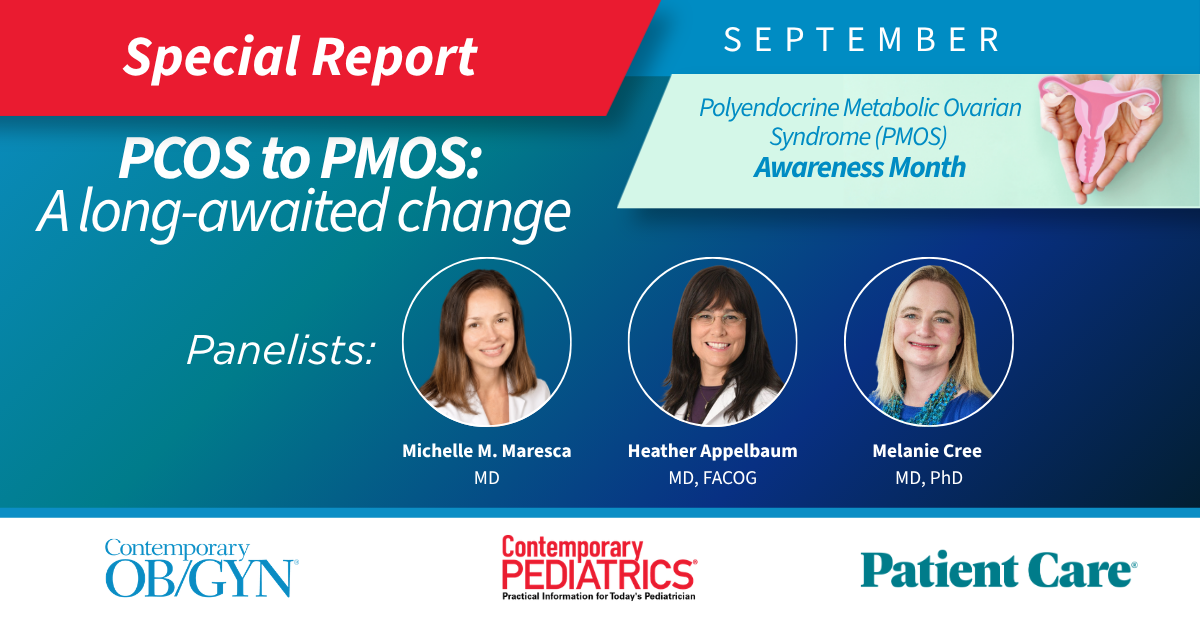
A new, expert-led video series explores the PCOS-to-PMOS rename and what it means for diagnosis, care, and outcomes.

A new SFP Committee Statement in Contraception standardizes protocols for removing deep and nonpalpable contraceptive implants.

Atogepant reduced perimenstrual migraine days vs. placebo and met all 8 secondary endpoints in the Phase 3 LUNA study.

A recap of the top stories from August 2026 in women's health.

Take a look back at some of the top FDA and pipeline news in women's health from August 2026.

ACOG updated guidance now recommends routine bilateral salpingectomy at hysterectomy and other surgeries to prevent ovarian cancer.

Livi was cleared by the FDA on March 24, 2026 as a novel device to support vaginal health.

Liz Miracle, PT, MPT, WCS, discusses clinician-identified advantages of virtual pelvic health care, including access, psychological safety, and in-home assessment.

Jeff Andrews, MD, FRCSC, discusses raising awareness of at-home HPV self-collection and identifying appropriate candidates as the option rolls out in the US.

TMP-SMX was linked to higher UTI treatment failure vs. nitrofurantoin and fosfomycin in postmenopausal women.
“Primary care physicians, who traditionally have referred out for speculum exams, can now offer self-collection during routine appointments or problem visits, preventing missed opportunities for patient preventive care,” said Andrews.
Liz Miracle, PT, MPT, WCS, argues that ACOG Committee Opinion No. 736, which supports non-office postpartum assessment, applies equally to virtual pelvic floor physical therapy.
Liz Miracle, PT, MPT, WCS, discusses a retrospective analysis of 4,662 patients finding comparable pelvic health outcomes across virtual, hybrid, and in-person care.

This review aims to go beyond the basics by exploring advanced interpretations for clinical referral to support ob-gyn providers in translating urinalysis findings into practical care decisions.
The FDA has cleared the Revi Extend, furthering the system's lifespan to 15 years to treat UUI.

Michael A. Reed, MD, MSCP, outlines immediate, practical steps physicians can take to address women's sexual health in their current roles.

BV-positive women had higher STI coinfection rates than BV-negative women in a study from Quest Diagnostics and Hologic, Inc.
Michael A. Reed, MD, MSCP, proposes a “Fourth Pillar” framework to integrate women's sexual health alongside reproduction, disease treatment, and longevity in clinical practice.
Roche's cobas BV/CV assay received FDA clearance as a single-swab test for bacterial vaginosis and candida vaginitis.

Damian Alagia, III, MD, joined Contemporary OB/GYN for a discussion on STIs in women, associated stigma, and structural barriers to testing.

ACOG, SWHR, and WFRC are calling on Congress to invest $20B over 10 years to close the women's health gap.

Kate McLean, MD, describes how newly defined bacterial vaginosis subtypes could validate patient symptoms and inform treatment.

The SELF-GYN1 trial found that at-home transvaginal ultrasonography met diagnostic quality standards in 96.2% of scans and was significantly preferred by participants over in-clinic imaging.
Advertisement
Advertisement
Trending on Contemporary OB/GYN
1
Before Pregnancy Begins: Why the Timing of Carrier Screening Matters
2
FDA approves first generic estradiol/levonorgestrel weekly patch
3
Executive order directs NIH to create women's health division
4
What to expect at The Menopause Society's 2026 Annual Meeting
5