

Data published in npj Digital Medicine indicates that digital symptom checkers for endometriosis can reduce diagnostic delay by over 4 years and save more than $5,000 per patient.
Data published in npj Digital Medicine indicates that digital symptom checkers for endometriosis can reduce diagnostic delay by over 4 years and save more than $5,000 per patient.

Raquel Dardik explains how the FDA-cleared Delivery Date AI uses unbiased image analysis to provide a precise predicted delivery date without disrupting existing clinical workflows.

The FDA has cleared a cloud-based AI tool that predicts delivery dates solely from ultrasound images.

Research published in The BMJ indicates that individuals vaccinated against HPV before age 17 experience a 79% reduction in invasive cervical cancer risk compared to unvaccinated peers.

Sean Raj, MD, MBA, emphasizes that ob-gyns are uniquely positioned to improve cardiovascular outcomes by integrating risk assessments and imaging-based screenings into routine women's health visits.

A Finnish registry study indicates that women with endometriosis have a 51% higher risk of miscarriage and a 2-fold increased risk of ectopic pregnancy compared to controls.
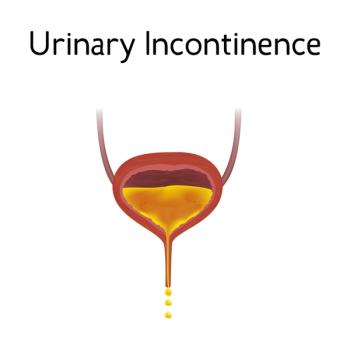
Researchers reported that lidocaine did not affect POUR rates but enhanced early recovery metrics after SUI surgery.
A global analysis found significant disparities in magnesium sulfate use for preterm birth, particularly between higher- and middle-income countries.
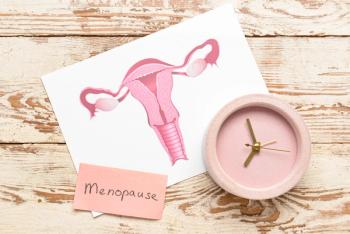
A prospective observational study found that age did not independently affect bone mineral density response to romosozumab in postmenopausal women.

Sasha Vereecken explains the potential quality of life and sexual worry benefits of investigational ACT for stress urinary incontinence, as well as who may be best suited for the implant.

Very early home pregnancy testing modestly advances detection but substantially increases false negatives and detection of very early pregnancy losses, according to a recent study.

A large-scale TriNetX database analysis found no statistically significant difference in the incidence of vulvar atrophy or hypertrophy between non-diabetic women using GLP-1RAs and those who were not.

Get caught up with Contemporary OB/GYN! This list helps you navigate our top stories from the week, all in one place.
Sasha Vereecken explains how ACT improved continence and reduced sexual worry in women with SUI, with pad use and sexual scores showing significant, durable improvement.
Study author Oskari Heikinheimo explains how patients should approach earlier surveillance, fertility options, and pregnancy considerations and risks for women with endometriosis.

In this video interview from SMFM 2026, Alexandra Hammerquist, MD, explains how an AI-based model achieved accurate and sensitive PAS prediction before delivery.

“ACOG has been in the business of maternal immunization guidelines for about 15 years. It’s nice to have all those maternal immunization guidelines in one place," said Kevin Ault, MD.
A Finnish registry study found that individuals with endometriosis have significantly higher risks of miscarriage and ectopic pregnancy and a lower lifetime incidence of pregnancy.

"Ethical menopause care requires rebuilding trust through transparency, evidence, and shared decision-making," writes Barbara Levy, MD, FACOG, FACS.

A cross-sectional study found that higher body fat percentage and other adiposity measures were inversely associated with endometriosis severity.
The updated Committee Statement reaffirmed the safety and benefits of influenza, COVID-19, Tdap, and RSV vaccines during pregnancy while addressing misinformation and disparities.

Lori Werner emphasized that marketing today is less about advertising and more about visibility and credibility.

An institution-wide policy allowing elective induction at 39 weeks was linked to lower cesarean delivery and NICU admission rates.

A systematic review found AI-assisted ultrasound models improved diagnostic accuracy for endometriosis, with deep learning outperforming traditional methods.

The findings underscore the need for more rigorous and diverse clinical studies evaluating digital interventions.

Outdated FDA labeling, insurance uncertainty, and lack of clinic workflows are some barriers Jennifer Karlin, MD, PhD, and colleagues found for user-administered injectable contraceptives.
The COEQUaL initiative seeks to reduce racial disparities in uterine fibroid care by promoting earlier diagnosis, equitable treatment discussions, and values-congruent, patient-centered decision-making.
Women with endometriosis or adenomyosis face 10- to 11-year diagnostic delays, study finds.

Speaking at the SMFM 2026 Pregnancy Meeting, Molina emphasized that HIPAA protections, clear policies, and staff training are central to equitable ob-gyn care for immigrant patients.

Preeclampsia was associated with an elevated risk of early kidney damage, highlighting gaps in postpartum surveillance.