
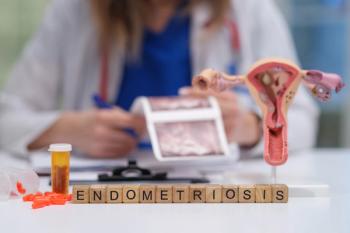
A study found higher remnant cholesterol levels are independently associated with increased odds of endometriosis.
A study found higher remnant cholesterol levels are independently associated with increased odds of endometriosis.

Maternal influenza and Tdap vaccination during pregnancy was associated with fewer influenza- and pertussis-related hospital and ED visits in infants younger than 6 months.

Review some of the top stories from the Contemporary OB/GYN website over the past week and catch up on anything you may have missed.

A study found that opioid use during pregnancy is associated with significantly increased maternal complications and adverse neonatal outcomes.

A study found distinct alterations in vaginal and gut microbial composition and function among patients with endometriosis.

New evidence shows that quadrivalent HPV vaccination is associated with a significant reduction in vulvar and vaginal lesion risk.

New research shows COVID-19 vaccination before or during pregnancy significantly lowers the risk of severe maternal illness and reduces rates of preterm birth.

Screen-guided care using the PreTRM blood test reduced preterm birth–related complications and NICU use.
A study found that distinct cervicovaginal microbial patterns are linked to the success of frozen embryo transfer in endometriosis patients.

A study found gestational diabetes prevalence has increased steadily across all racial and ethnic groups over the past decade.
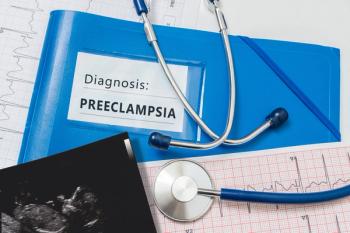
A study found that risk-stratified planned early-term delivery significantly lowers preeclampsia incidence without increasing cesarean birth.

New guidelines provide recommendations for adjusting antiseizure medication doses during pregnancy and postpartum to support healthy outcomes.

New research links abnormal collagen remodeling at cesarean scars—not placental invasion—to placenta accreta spectrum risk.

A study links opioid-related diagnoses during pregnancy to increased maternal morbidity and neonatal complications.
A study found no clear evidence that menopause hormone therapy increases or reduces dementia risk.

Criteria-independent genetic testing identifies more women with pathogenic breast cancer variants than guideline-based approaches.

A study found that an investigational α-lactalbumin–targeting vaccine induced immune responses in 74% of participants at risk for triple-negative breast cancer.
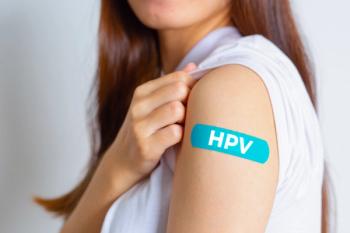
A study found HPV vaccination is linked to reduced odds of severe vulvar and vaginal precancerous lesions.

New research shows that COVID-19 vaccination in pregnancy significantly lowers the risk of hospitalization and preterm delivery.

Take a quick look at everything you may have missed during the fourth quarter of 2025, including the latest FDA approvals and top stories.
Check out the biggest approvals in women's health during 2025.

Take a quick look at everything you may have missed in December, including the latest FDA updates, top stories, and expert recommendations.

Take a quick look at everything you may have missed in 2025, including the latest FDA updates, top stories, and expert recommendations.

Check the top women's health conferences of 2025.

Check out the 5 biggest videos of 2025, and review best practices.
Check out the 5 biggest well woman articles of 2025, and review best practices.

Check out the 5 biggest contraception stories of 2025, and review best practices.
Check out the 5 biggest fertility stories of 2025, and review best practices.
Check out the 5 biggest menopause stories of 2025, and review best practices.

Check out the 5 biggest obstetrics stories of 2025, and review best practices.