

Women with behavioral conditions need ongoing care through pregnancy and postpartum, but our health care system makes this a challenge
Women with behavioral conditions need ongoing care through pregnancy and postpartum, but our health care system makes this a challenge

Contemporary OB/GYN readers share their thoughts on a surgical procedure, the state of the specialty, and the impact of non-medical parties on obstetrics.

Ob/gyns play a pivotal role in diabetes management due to the condition’s increasing prevalence in women and its potential effects on overall and reproductive health.

In a lawsuit involving both mother and infant, allegations of infertility from a D&C were also included.
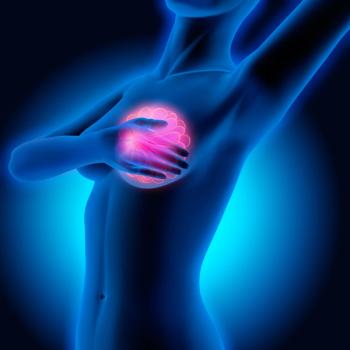
An examination of ACOG’s updated guidelines on breast cancer screening recommendations for the average-risk woman.

Providing lactating mothers with accurate information on the effects of alcohol consumption is crucial even though data in this area are limited.

As 2018 comes to a close, we're taking a look back at some of the most popular articles this year. These were the top articles from our Maternal Mortality Special Series.

A new twist has emerged in the gene-editing controversy created by Chinese scientist He Jiankui. PLUS: Would a minimum-volume standard improve hysterectomy outcomes? ALSO: Can lidocaine reduce pain during IUD insertion?

Nisse V. Clark, MD, Renita Kim, MD, MPH, and Jon Einarsson, MD, PhD, MPH show how they treat multifocal bowel endometriosis in a 25-year-old G0 with dysmenorrhea, dyschezia, and cyclic rectal bleeding.

This month's quiz goes over the key strategies to improve diagnoses and outcomes that were discussed in the article, "Managing obstetric emergencies: Anaphylactoid syndrome of pregnancy (aka AFE)" by Steven L. Clark, MD (July 2018).

CO2 laser therapy improved GSM in this retrospective study.

A relatively new laparoscopic technique, which entails use of the pelvic peritoneum to increase vaginal length, may be an effective treatment for dyspareunia.

While minimally invasive and open surgeries have been found to produce similar survival rates in other early cancers, that might not be the case for early cervical cancer. PLUS: At what age should cervical cancer screening stop? ALSO: How much do genetic variants affect breast cancer risk?
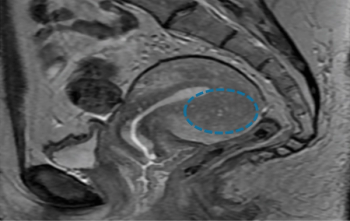
Comorbidities such as endometriosis can confound the picture in patients with adenomyosis, a condition that may lead to poor IVF outcomes.

Contemporary OB/GYN sits down with a hospitalist to discuss the role hospitalists fill at her institution and how ob/gyns can improve efficiency in critical care situations.
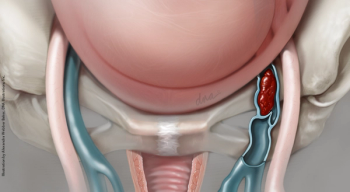
As rates of VTE in pregnancy are increasing in the United States, ob/gyns must be vigilant in identifying women at risk and promptly instituting measures recommended by ACOG and other organizations
In an update to the 2009 recommendations, the USPSTF notes why early STD screening in pregnant patients is so important for both mother and baby.

A new study shows that while detection of congenital heart defects has improved dramatically, there is still room for improvement.

Results of a population-based study provide new perspectives on the interaction between spacing of pregnancies, maternal age, and the health of mothers and their offspring. PLUS: How do pessaries compare with progesterone for preventing early PTB? ALSO: Opioid abuse in rural mothers and babies - What are the risks?

Rates of post-hysterectomy infection have been shown to be lower in hospitals that have adopted evidence-based guidelines for preventing postsurgical infections.

Two cases illustrate the importance of and challenges inherent in diagnosing this under-diagnosed hereditary cancer syndrome in your patients.

Mother-to-child transmission of HIV in the United States can be eliminated with the help of obstetricians. Test your knowledge and ability to care for HIV patients.

Jon I. Einarsson, MD, PhD, MPH, and Nisse V. Clark, MD, discuss their novel technique for Essure reversal in this video.

A new international research study describes a genetic basis for overlap between endometriosis and endometrial cancer.

A recent study attempted to identify endometriosis patients who have extrapelvic disease through retrospective chart review utilizing extended criteria.
Hypertensive disorders of pregnancy are among the leading contributors to maternal mortality worldwide. Test your knowledge and ability to recognize signs in a patient.

"As academics and health care providers, who are training the next generation of leaders, educators and professionals, we must demonstrate and insist on behavior and rhetoric that enable tolerance and change for the better."

Results of a new population-based study in the setting of school-based immunization and education cast doubt on speculation that teens who receive HPV vaccination practice unsafe sex. PLUS: Does 3D mammography detect more breast cancers? ALSO: Can weight loss reduce breast cancer risk in postmenopausal women?
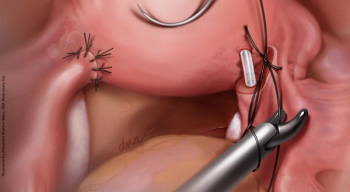
With the impending withdrawal of Essure from the US market, ob/gyns should know how to remove the device. The authors describe the traditional technique and their new approach.

Digital transformation of the women’s health market is rapidly occurring through FemTech (female technology).