
A patient sues, claiming that an ob consult could have saved her pregnancy.
A patient sues, claiming that an ob consult could have saved her pregnancy.
Evidence shows that it may be a viable remedy for the country's physician deficit.
An expert commentary on ACOG Practice Bulletin Number 148: Thyroid disease in pregnancy.
A cesarean triggered by a steep drop in FHR reveals a surprising diagnosis.
A recent meta-analysis examines if D&C can lead to future premature birth. Plus, does counseling on LARCs lead to a reduction in pregnancy rates. And: does exposure to DDT while in utero mean an increased risk of breast cancer later in life?
A new study examines the efficacy of a single dose of the HPV vaccine for preventions. Plus: What's the optimal time for inserting a contraceptive implant after delivery? And: A case study wonders if NIPT can help diagnose cancer in the mother.
Using SSRI late in pregnancy may increase the risk of persistent pulmonary hypertension in a newborn. Plus, hormone therapy may help mood in early postmenopause; use of mesh for prolapse on the rise
Protocols for High-Risk Pregnancies: An Evidence-Based Approach, Sixth Edition, has been released by publisher Wiley Blackwell.
From the Society for Maternal-Fetal Medicine, questions and answers about cfDNA for your patients.
The FBI is investigating how much the manufacturer knew about the safety of the design. Plus, how does the clotting profile of new oral contraceptives compare to earlier formulations and a look at the impact of the PALB2 mutation on breast cancer prognosis.
What are the current recommendations for managing women who are BRCA 1 or 2 carriers?
Careful preoperative planning and positioning will help to overcome some of the challenges presented by the obese patient's body habitus.
The ethical, economic, and practice management challenges associated with advanced testing increase as the technology advances.
A patient sues after a hysterectomy is performed even after a finding of no cancer.
Limited patient access to care and financial penalties to high-risk providers may be unintended consequences of this payment system.
A new study looks at whether or not women with dense breasts require alternative screening methods. Conventional wisdom about reducing salt intake to lower blood pressure may not be correct. What's the impact of breastfeeding on reducing the recurrence of certain breast cancer types.
Following confusion, the White House has clearly defined which contraceptive methods are to be covered at no cost to patients. Additionally, are EHR prompts the answer to timely completion of HPV vaccines? How are very premature infants surviving?
Clinical guidelines recently put forth by the American College of Physicians indicate that Pap tests should remain the mainstay of cervical cancer screening in average-risk patients under the age of younger than 30 with HPV testing reserved for older patient populations.
Another insurer has taken steps to restrict morcellator use. Two studies examine the effect of low molecular weight heparin and its effects on recurrent pregnancy loss.
Contemporary OB/GYN's Resident blogger reflects on the way that time changes on the job from the rush of morning rounds to the agonizingly slow minutes while watching fetal heart rate tracings in prolonged decelerations.
The high cost of routine mammography in younger women
A look at the evidence shows that a program using ob/gyn hospitalists makes sense for many facilities and may improve outcomes.
The professional responsibility model of obstetric ethics provides a powerful antidote to maternal rights-based reductionism.
Training on the devices is available, even beyond residency.
"The infant’s father testified that at the birth, he arrived 2 ½ hours prior to delivery, and for the duration of that time he was able to see his son’s head."
Identification and surveillance will help carriers avoid cancer.
Hands-on ratings of a patient-controlled inhaled analgesia system and a bag for contained tissue extraction.
Research looks at ACOG's 39-week initiative, whether a diagnosis of GBS in 1 pregnancy increases likelihood in future pregnancies, and more data on open versus in-bag morcellation.
Strategies to help more of your patients breastfeed longer
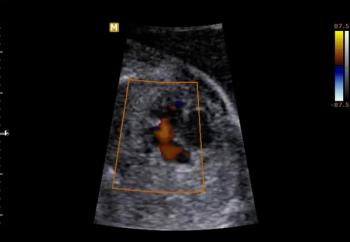
QUIZ: What is your diagnosis based on these fetal echo images?