

A study reveals how invisible symptoms, provider bias, and inconsistent clinical pathways contribute to endometriosis diagnostic delays.
A study reveals how invisible symptoms, provider bias, and inconsistent clinical pathways contribute to endometriosis diagnostic delays.

A review found increased rates of endometriosis vs adenomyosis, alongside significant diagnostic variability.

Take a quick look at everything you may have missed in November, including the latest FDA updates, top stories, and expert recommendations.

New data highlight how optical genome mapping can uncover chromosomal abnormalities missed by traditional tests.

An analysis found significant geographical disparities in the availability and quality of endometriosis guidelines.

A review reported insufficient evidence connecting prenatal paracetamol exposure to autism or ADHD.

A review found that most countries lack dedicated endometriosis policy frameworks, highlighting Australia and France as leading models.

Review some of the top stories from the Contemporary OB/GYN website over the past week and catch up on anything you may have missed.

Holiday meals carry extra food safety risks for pregnant patients. Here’s what ob-gyns should remind them before Thanksgiving gatherings.

A review found that indocyanine green performs similarly to technetium-99m and blue dye in identifying vulvar cancer.

Planned community births in Oregon showed increased risks only when hospital transfer occurred, underscoring the need for clear counseling and transfer systems.

A study found greater consumption of ultra-processed foods significantly increases the risk of early-onset colorectal cancer precursors.

Ayesha Dholakia, MD, highlights rising pregnancy-related homicides, driven largely by firearms.

A US study of women over 60 found that frequent sex toy use during masturbation was strongly associated with higher orgasm frequency.
Data shows widening disparities in cesarean births among Black birthing people and indicates a need for patient-centered care.

Embryologist shortages and emerging AI technologies are transforming IVF laboratories, driving the need for integrated systems and standardized workflows.
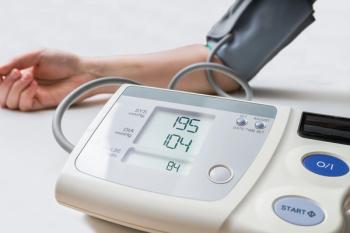
A study found non-Hispanic Black women face higher odds of hypertension and metabolic risk, while obesity raises cardiovascular risk in women with PCOS.
Emerging AI tools are improving efficiency and precision in IVF labs, but high costs and training limitations still prevent them from replacing manual expertise.

Sleep specialist Carleara Weiss, MD, PhD, MSH, RN, outlines the hormonal, physiological, and educational factors affecting sleep in menopausal women

FemBloc, a transcervical, incision-free method of permanent birth control, is advancing through its pivotal trial after strong early safety data.

A study found self-guided hypnosis delivers greater reductions in hot flash frequency and interference than a sham control.
Review some of the top stories from the Contemporary OB/GYN website over the past week and catch up on anything you may have missed.

Researchers have observed a significant rise in tubal ligation rates following the June 2022 Dobbs decision.

Two-thirds of pregnancies fall outside recommended gestational weight gain ranges, increasing risks for adverse maternal and neonatal outcomes.

New data show that any hypertensive disorder of pregnancy significantly increases a mother’s risk cardiovascular events.
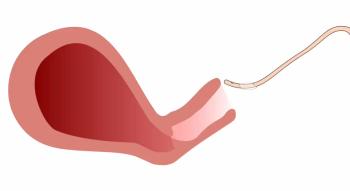
Learn effective techniques for using a Foley catheter to manage postpartum hemorrhage and enhance patient care in critical situations.

Closed-loop insulin delivery improved time in pregnancy-specific glucose range in a randomized trial of individuals with type 1 diabetes.

New research shows that a single prophylactic antibiotic dose lowers clinically relevant wound complications after second-degree tears or episiotomy.

A study found that self-administered clinical hypnosis significantly reduced hot flashes and improved sleep.

Obstetric ultrasound of pregnancies less than 10 weeks gestational duration is an essential skill for the obstetric provider and has unique considerations.