
According to a recent study in Menopause, women who go through natural menopause at ages 40 to 45 may be at increased risk of developing heart failure and smoking may produce a similar risk among those who experience menopause at ages 46 to 49.
According to a recent study in Menopause, women who go through natural menopause at ages 40 to 45 may be at increased risk of developing heart failure and smoking may produce a similar risk among those who experience menopause at ages 46 to 49.
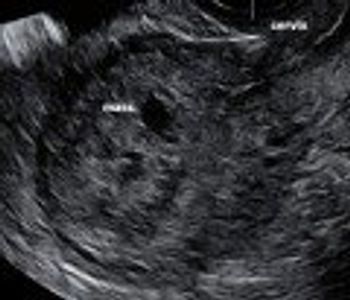
Postabortal placental polyps and uterine arteriovenous malformations can look identical on ultrasonography. Read how saline instillation sonohysterography helped discern the diagnosis.

Informed consent is more than just a signed consent form, says ethics blogger Paul Burcher, MD, PhD, who weighs in on a different way to think about this practice.

The extent and timing of maternal depression is being underestimated, according to new research, highlighting the need for improvement in maternal depression screening.
Glassware is the cute moniker that Google uses to describe the bevy of Google-approved applications that are ready-to-go with Glass. When you are logged into your MyGlass account, you can simply click on the Glassware tab (see below) and up will come not only the Google-selected "Featured Glassware," but also all of the Google-published Glassware. It is important to know that Google does encourage developers to "side-load" their own homegrown apps, but we will discuss that in a future post.

Finding 1: Urine isn’t sterile. Finding 2: All those bacteria in urine may not be so harmless. In fact, for some women, these microbes may cause overactive bladder.
Calcium supplements may not increase the risk of cardiovascular disease (CVD) according to a recent study in Osteoporosis International.
According to a new study in Cancer, the incidence of cervical cancer in older women may be higher than has been previously reported.
A new population-based study by Canadian researchers shows that women in the second trimester of pregnancy run a substantial risk of serious motor vehicle crash. The findings were published in the May 12 edition of The Canadian Medical Association Journal.
New research may have found a way to better predict whether women with threatened preterm labor are in true labor or false labor.
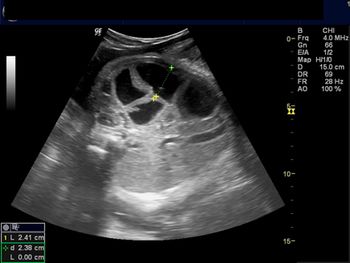
Challenge your diagnostic skills: Can you identify this finding in the fetal abdomen?

Lack of exercise among women 30 years and older has a greater impact on the lifetime risk of heart disease than other factors, a new study finds.
Sexual violence on college campuses may be more prevalent than you think. Are you asking patients the right questions about their sexual health?
A study of a nationally representative sample of hospitalized women who were pregnant or gave birth shows a link between obstructive sleep apnea and maternal death. The findings, published in SLEEP, point to a need for targeted interventions to improve pregnancy outcomes in women with apnea.
Women who are treated for depression at an ob/gyn clinic with a collaborative care approach may have improved outcomes, according to a recent study in Obstetrics & Gynecology.
Early menopause-whether natural or surgical-may be associated with negative effects on cognitive function that are not entirely offset by postmenopausal hormone therapy (HT), according to a new study in BJOG.
More than a third of women consider ob/gyns their primary care providers. To better meet the needs of their patients, one ob/gyn clinic offered different treatments for depression and compared the results.
The highest rates of cervical cancer occur in women aged 65 to 69, according to new estimates. This suggests that screening guidelines may need to be reconsidered.
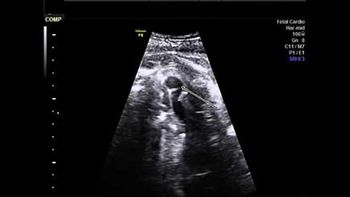
Challenge your diagnostic skills: Can you identify this finding in the fetal chest?

New research shows that obstetricians may need to rethink how they screen certain patients for gestational diabetes mellitus.
Giving moms the Tdap vaccine in pregnancy seems to protect newborns from pertussis (whooping cough) and doesn’t seem to interfere with infant responses to DTaP.
The World Health Organization’s (WHO) Fracture Risk Assessment tool (FRAX) severely underestimates risk of fragility fracture (FF) in certain patients, according to a new study. Published in the Journal of Clinical Endocrinology & Metabolism, the findings are by Canadian investigators.
Women who engage in vigorous physical activity before a diagnosis of ovarian cancer may be at lower risk of dying of the disease, according to a new report by investigators from the Women’s Health Initiative (WHI).
According to a recent study in the Journal of the American Medical Association, the majority of Americans support universal coverage for birth control.
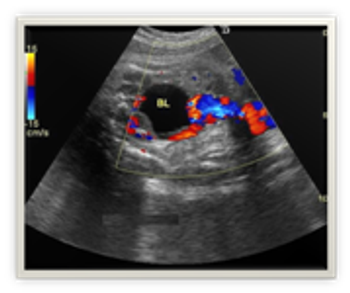
A routine ultrasound exam of a 28-week fetus revealed what looked to be a cystic lesion. The addition of Doppler, however, changed the diagnostic picture.
Taking omega-3 fatty acid docosahexaenoic acid (DHA) in pregnancy doesn’t make your offspring smarter but does make preterm delivery less likely.
New guidelines from the American Heart Association are designed to help practitioners make decisions when faced with caring for unborn babies with heart issues.
In certain industrialized nations, immigrant women from sub-Saharan Africa, Latina America, and the Caribbean may be at increased risk of preeclampsia and eclampsia.
A meta-analysis has shown that even small increases in a mother's BMI can increase the risk of fetal death, stillbirth, and neonatal, perinatal, and infant death.
A Canadian study shows that women with diabetes are significantly less likely to have mammograms, even after adjustment for socioeconomic status and other factors.