
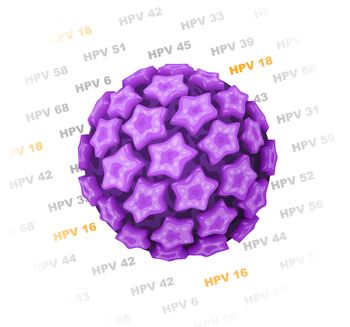
Two doses of quadrivalent human papillomavirus (HPV) vaccine protects against genital warts nearly as well as the standard 3-dose schedule, according to new study findings.
Two doses of quadrivalent human papillomavirus (HPV) vaccine protects against genital warts nearly as well as the standard 3-dose schedule, according to new study findings.

A new study with up to 25 years’ follow up is reopening debate about the value of screening mammography in women aged 40 to 59. Published in BMJ, the Canadian research found that 22% of women in that screening population-or 1 in every 424-had an over-diagnosed breast cancer.
A daily regimen of low-dose (
Having a major mental illness triples the risk that an adolescent will become teenaged mother, according to a study in Pediatrics. The research is the first to look at fertility trends in adolescents with mental illnesses.
New guidelines for the prevention of venous thromboembolism (VTE) in obstetrical patients have been released. Provided here is an overview of the guidelines and tips on how to implement them.
Premenopausal removal of the ovaries accelerates bone loss and carotid artery thickening in postmenopausal women, putting women at higher risk for both osteoporosis and cardiovascular disease.
Evidence shows that continuing professional education and structured internal audit can both reduce levels of obstetrical interventions and improve outcomes for mothers and babies.
Administration of perioperative antibiotics and indomethacin may significantly prolong gestation after second-trimester cerclage, according to a study presented at the 34th Annual Meeting of the Society for Maternal-Fetal Medicine: The Pregnancy Meeting.
Rates of cesarean delivery have risen, and with them, interest in determining what influence-if any-progress and management of labor have on the uptick. A retrospective chart review presented at the 34th Annual Meeting of the Society for Maternal-Fetal Medicine: The Pregnancy Meeting suggests that labor curves are unchanged and a better understanding of labor management is needed to reverse the cesarean trend.
“Term” delivery is defined as 39 weeks 0 days, according to the American College of Obstetricians and Gynecologists. For women with repeat cesareans, that timing may not result in the best outcomes, say investigators from the University of Texas Medical School at Houston.
New research presented at The Pregnancy Meeting™ last week in New Orleans shows that noninvasive prenatal testing can detect more than 80% of chromosomal abnormalities.
For patients with PCOS, a common household ingredient may help improve symptoms of the disorder. However, lifestyle modifications that support weight loss and healthful eating remain key to improving symptoms.
New research, led by Connie Trimble, MD, shows that vaccine treatments for women with high-grade cervical dysplasia can trigger an immune response that may induce some lesions to resolve.
The sexual behaviors and beliefs about HPV infection were unchanged among a group of teens and young women who were vaccinated against the virus, research shows.
DNA analysis of vaginal swabs shows that cervicovaginal microbiota differs in the late second and early third trimester in women destined to have a preterm birth.
The risk of death in the first 28 days of life was roughly 4 times higher for babies delivered at home by midwives than babies delivered at a hospital by midwives, new research shows.
It seems that cost and lack of information are at the heart of why more adolescents aren’t vaccinated against human papillomavirus (HPV), according to a recent review of the literature.
Google Glass Explorers Brian Levine, MD, MS, and John Nosta, a health and technology expert and Forbes contributor, discuss their opinions on Google Glass and how they think it is and will affect the healthcare industry.

Electronic medical records have a purpose, but they also may encourage physicians to behave unethically. More to the point: would your patient recognize her exam as described in an EMR?
High body mass index (BMI) and short stature are risk factors for cesarean delivery across all racial/ethnic groups, according to a study to be presented at the 34th Annual Meeting of the Society for Maternal-Fetal Medicine: The Pregnancy Meeting on February 7, 2014 in New Orleans.
Gestational surrogacy in India is on the rise. How will this help or harm American couples and Indian surrogates?
What are the rights of a pregnant woman whose actions or condition may harm her unborn child?
Is funding of medical education, research, and clinical care sustainable?